Let’s discuss your container requirements
01708 225350
Call Us
sale@modularmarbles.com
Email Us

2026 Best Showroom Display Stands for Retail Stores?

In 2026, retail displays need to do more than hold products. They should help shoppers notice key items, compare options, and move comfortably through a store. The right stand can make a new collection easier to explore, whether it sits near the entrance or beside a fitting-room mirror. Showroom Display Stands come in many forms, from slim floor units to countertop risers and modular shelves. Each serves a different purpose. A compact stand can suit a small boutique, while a wider fixture may help organize several product sizes or colors. Small details matter.

This guide looks at practical choices for retail showrooms, including materials, footprint, stability, visibility, and ease of restocking. It also considers how a stand fits the product, store layout, and daily cleaning routine. The best-looking option is not always the most useful. A glossy finish may catch the eye, but fingerprints can show quickly under bright lights. And some modular designs take more time to assemble than expected. There is no perfect stand for every store. Retailers should check measurements, load guidance, and finish samples before placing a large order. These simple checks make comparisons more reliable and help avoid fixtures that crowd walkways or hide merchandise. The recommendations ahead focus on clear selection criteria, so store teams can choose displays that support both product presentation and everyday work.
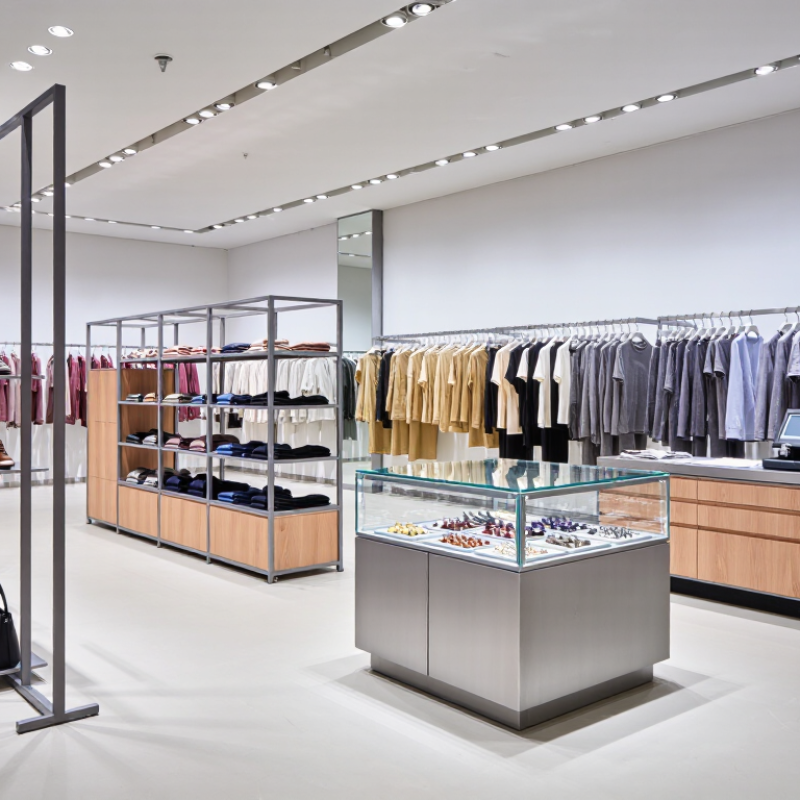
2026 Best Showroom Display Stands for Retail Stores?

What Showroom Display Stands Are and How They Support Retail

2026 Best Showroom Display Stands for Retail Stores?

What Showroom Display Stands Are and How They Support Retail

Showroom display stands are fixtures that present products clearly, help shoppers compare options, and keep merchandise within easy reach. They range from low tabletop risers to tall, adjustable shelving and freestanding sample units. A useful stand does more than hold stock. It guides attention, protects products, and makes browsing feel less crowded. In a small showroom, even a few inches of extra clearance can improve the path between displays.

Physical retail still matters. The U.S. Census Bureau estimated that e-commerce accounted for 16.1% of total U.S. retail sales in the fourth quarter of 2024. That leaves stores with an important role: customers can see finishes, handle products, and ask questions in person. A well-planned display supports these moments, but no fixture guarantees a sale. Poor lighting, confusing labels, or an awkward reach can undermine an attractive stand. Retail teams should review displays during real shopping hours, not just after setup.

Tips: Put frequently handled items between waist and eye level, and leave room for customers to pause. Check stability, edge finish, and cleaning access before choosing a stand. Measure the full route, including baskets and mobility aids. Then track what shoppers touch or ask about; the first layout may not be the right one.

2026 Best Showroom Display Stands for Retail Stores

Accessible dimensions to consider when planning display stand layouts

Plan stand placement to preserve an accessible route and turning space, and keep displayed items within accessible reach. The 48-inch reach values are maximum heights, not recommended stand heights. Dimensions are from the 2010 ADA Standards for Accessible Design: §§ 403.5.1, 304.3.1, 308.2.1, and 308.3.1.

Common Types of Display Stands Used in Retail Showrooms

Common Types of Display Stands Used in Retail Showrooms

Retail showrooms use different display stands to guide browsing and make products easier to compare. Gondola shelving works well for grouped merchandise because adjustable shelves can accommodate varied package heights. Freestanding floor stands draw attention to seasonal items or new arrivals. They need a stable base, especially on smooth tile. Small details matter.

Countertop stands keep compact products near checkout or demonstration areas. Slatwall and gridwall fixtures accept hooks, baskets, or shelves, so staff can change layouts without replacing the whole unit. Product risers add height to flat displays and help separate similar items. But too many levels can make a display feel crowded. The effect is easy to miss.

Glass display cases suit delicate or high-value merchandise that benefits from clear viewing and controlled access. Mannequins and garment rails help shoppers judge clothing shape and drape, while modular platforms can define a focal area for larger products. Choose materials and dimensions based on product weight, cleaning needs, and available floor space. A stand that looks right in a plan may block sightlines once shoppers arrive. It is worth testing the layout with real products, then adjusting spacing after staff observe how people move.

Materials, Construction, and Design Features

Materials set the limits of a showroom display stand. Powder-coated steel suits heavy products and frequent rearrangement, while plywood offers a warmer finish and can be repaired locally. Corrugated board works for short campaigns, but moisture and repeated handling weaken it.

The U.S. Environmental Protection Agency’s 2018 Advancing Sustainable Materials Management report found that 96.5% of corrugated boxes were recycled. That figure describes boxes, not finished displays: laminates, inks, and mixed-material fasteners can complicate recovery. Small details matter.

Construction deserves a hands-on check. Press lightly on each shelf, inspect the joints, and look for sharp edges or wobble. A stand may look sturdy under showroom lights and still flex when customers lift products. Choose shelf spacing that fits the actual package, with enough clearance for easy restocking.

Recessed lighting and tidy cable routes can improve visibility, but extra wiring also adds maintenance. Not always worth it. For a long-running display, replaceable panels and standard fasteners can reduce repair time.

I would not assume recycled content alone makes a stand sustainable; lifespan, shipping volume, and end-of-use separation matter too. Test the display with real products before approving the final layout.

How to Choose the Right Display Stand for Your Store

Choose a display stand by starting with the product, not the fixture. Measure the item’s footprint, weight, and package height, then check how shoppers approach it. A tall stand can hide smaller products behind it. A narrow base may wobble when customers lift items. Scale matters. Leave room for a clear price label and easy restocking, too.

The U.S. Census Bureau reported that e-commerce made up 16.1% of U.S. retail sales in the fourth quarter of 2024. Physical shopping still matters, so displays should make browsing simple, not crowded.

Match the stand’s material and finish to the store, but prioritize stability and cleaning over appearance alone. Test the setup during busy hours. Track sales, replenishment time, and products left untouched.

This is not a perfect formula; traffic patterns and staff routines can overturn a tidy plan. A stand that looks right in an empty aisle may feel awkward once baskets, people, and restocking carts arrive.

Key Display Stand Trends for Retail Stores in 2026

In 2026, effective showroom stands will do more than hold products. They will make browsing feel simple, tactile, and worth the visit. The U.S. Census Bureau reported that e-commerce represented 16.1% of total U.S. retail sales in the fourth quarter of 2024. Physical displays still have a distinct role: shoppers can compare finishes, test controls, and see product scale firsthand. Keep key items at comfortable viewing height, with clear space around them. Less clutter. More clarity.

Sustainability will shape fixture choices, too. PwC’s 2024 Voice of the Consumer Survey found that respondents were willing to pay an average 9.7% more for sustainably produced or sourced goods. Retailers can reflect that interest with durable, repairable stands, reusable graphics, and materials chosen for repeated use. Yet a recycled finish alone does not make a display convincing. Show material details plainly, and avoid claims the supplier cannot verify.

Modular stands will help stores refresh layouts without replacing every fixture. A base unit with adjustable shelves, hooks, or small product trays can support seasonal changes. Digital screens may add demonstrations or stock information, but they should answer a real shopper question. A screen that loops silently beside a product can become background noise. Test sightlines from the aisle, check whether labels remain readable, and watch where customers pause. Some displays look elegant in a plan and awkward in a crowded store. That gap deserves attention.

2026 Best Showroom Display Stands for Retail Stores? - Key Display Stand Trends for Retail Stores in 2026

Display Stand Type Best For Typical Footprint (W × D × H) Typical Load Capacity Practical Material Options Relevant 2026 Trend Planning Consideration
Modular Retail Shelving Home goods, packaged products, and changing seasonal assortments 900–1,200 × 400–600 × 1,800–2,100 mm Approximately 30–60 kg per shelf, depending on construction Powder-coated steel uprights with steel, laminate, or certified wood-fiber shelves Reconfigurable layouts that can be adapted without replacing the full fixture Check shelf span, wall or floor fixing requirements, and compatibility of add-on parts.
Gondola Display Central aisles, high-volume merchandise, and two-sided product presentation 900–1,250 × 750–1,000 × 1,200–1,800 mm Approximately 30–60 kg per shelf; confirm the rated capacity for the selected bay Steel frame with adjustable shelves; optional wood or recycled-content panels Flexible merchandising, with adjustable shelves and replaceable accessories Allow clear customer routes and check local accessibility and fire-safety requirements.
Countertop Display Stand Small accessories, travel-size items, checkout products, and samples 250–500 × 200–400 × 250–600 mm Approximately 5–15 kg total, depending on material and design FSC-certified paperboard, molded fiber, acrylic, or compact metal Right-sized, reusable or recyclable displays that reduce unnecessary fixture material Measure the available counter area and keep the display stable and easy to replenish.
Freestanding Product Tower Promotional products, cosmetics, small packaged goods, and seasonal features 400–700 × 350–600 × 1,400–1,900 mm Approximately 10–25 kg per shelf for common lightweight configurations Powder-coated steel, engineered wood, or durable corrugated board for short campaigns Compact, movable fixtures with interchangeable graphics and product-specific shelving Use a broad, stable base and keep heavy products on lower shelves.
Garment Rail or Apparel Rack Clothing, accessories, and coordinated outfit presentations 900–1,500 × 450–600 × 1,200–1,700 mm Approximately 40–100 kg distributed across the rail, depending on the frame Steel or aluminum tubing with a durable powder-coated finish Long-life fixtures with replaceable rails, wheels, and modular merchandising arms Check the distributed load rating, wheel locks, and clearance for hangers and shoppers.
Interactive Display Stand Product demonstrations, catalogs, store information, and guided product selection 450–700 × 400–650 × 1,300–1,800 mm Designed around the screen and equipment; verify the stand’s rated load before installation Steel or aluminum enclosure with serviceable mounts and cable management Digital-ready fixtures that can support touchscreens, QR codes, and updated content Plan power access, screen viewing angles, cable protection, and a maintenance route.

Note: Dimensions and load capacities are indicative planning ranges for common retail fixtures, not universal specifications. Actual capacity depends on materials, construction, shelf span, mounting, and load distribution; confirm ratings and installation requirements with the fixture supplier.

We are proud to support

Registered Company Name: Upminster Containers Limited. Registered Address: Mardyke Works, St Mary's Lane, Upminster, Essex RM14 3PA. Registered Company Number: 00940382
Developed & Maintained By Space Rocket Digital.
chevron-down