Small homes are reshaping the global laundry appliance market. Urban apartments, student residences, hotels, and compact rental units increasingly need drying solutions that occupy less floor space. Mordor Intelligence’s 2025 Laundry Appliances Market report identifies urbanization, replacement demand, and appliance efficiency as important market drivers. Its findings support a practical question: which Small Clothes Dryer types will serve different buyers best in 2026?
Energy use also deserves careful attention. The U.S. Department of Energy identifies clothes dryers as significant household energy consumers. ENERGY STAR reports that certified dryers can use about 20% less energy than conventional models. Heat-pump designs usually deliver stronger efficiency, while ventless condenser models simplify installation where external ducting is unavailable. However, performance depends on load size, humidity, cycle settings, and maintenance. A compact unit may save space but require longer drying times. That trade-off matters.
This guide compares vented, condenser, heat-pump, portable, and washer-dryer combination models. It considers capacity, installation, noise, drying speed, energy demand, and international buyer priorities. Data from ENERGY STAR, the U.S. Department of Energy, and market research firms provides a reliable foundation. Still, global comparisons are imperfect. Testing standards and household habits differ between countries. A model praised in one market may disappoint elsewhere. Buyers should examine verified specifications, warranty coverage, voltage compatibility, and local service support before purchasing. Small dimensions are useful. They are not the whole decision.
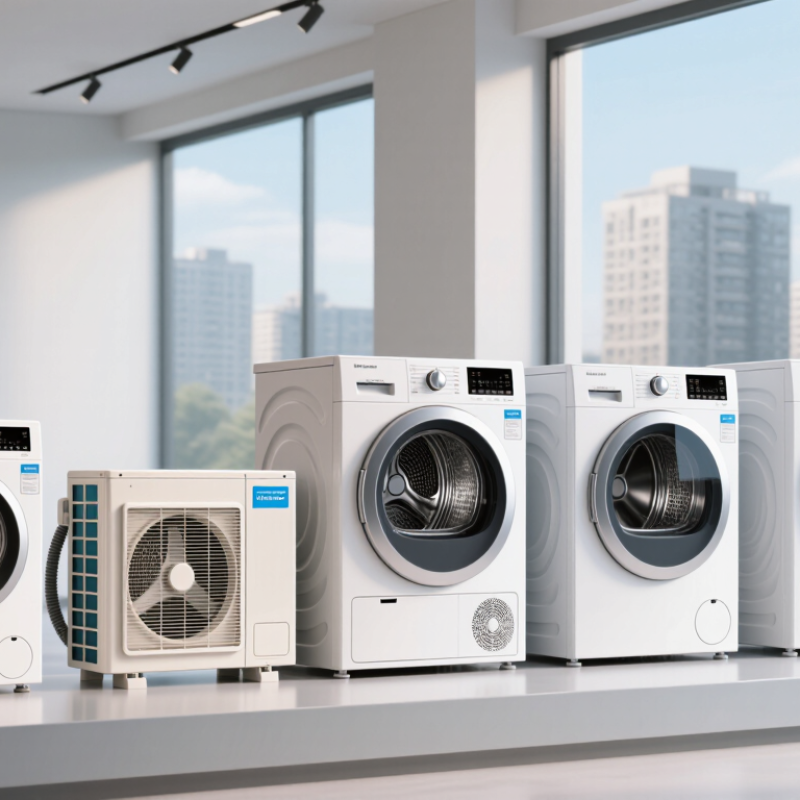
2026 Top Small Clothes Dryer Types for Global Buyers
Small Clothes Dryers: Definition, Purpose, and Key Features
A small clothes dryer is a compact appliance designed to remove moisture from limited laundry loads. It suits apartments, dormitories, small families, holiday homes, and shared laundry rooms. Space is the point. Most models handle about 1.5 to 4 kilograms per cycle, depending on fabric type and drying technology.
Common types include vented dryers, condenser dryers, heat-pump dryers, and portable spin dryers. Vented models usually dry quickly but need an exhaust route. Condenser models collect water in a tank, making indoor installation simpler. Heat-pump models normally use less energy, although their cycles can take longer. Spin dryers remove water without heating, so clothes still need air drying afterward.
Important features include moisture sensors, adjustable temperature, lint filters, reverse tumbling, delayed start, and clear water-tank indicators. A reliable filter should be easy to remove and clean after every load. Noise still matters. In a small room, vibration can become surprisingly distracting. Global buyers should check voltage, frequency, plug type, drum capacity, warranty terms, and local repair support before purchase.
From practical use, sensor drying can protect cotton better than fixed timers. However, sensors may respond poorly to very small loads or mixed fabrics. A compact dryer is not automatically efficient. Buyers should compare energy use, cycle time, airflow requirements, and replacement-part availability. Capacity needs honesty: towels may require separate loads.
Small clothes dryers are compact appliances designed for limited-space homes, apartments, dormitories, and light laundry loads. The chart compares typical rated load capacities by dryer type.
Typical capacity ranges vary by model and market: portable heated dryers generally handle smaller loads, while compact heat-pump and condenser dryers usually offer higher capacity with lower installation requirements.
2026 Top Small Clothes Dryer Types for Global Buyers
Main Types of Small Clothes Dryers Available in 2026
Small clothes dryers now serve apartments, dormitories, boats, and compact laundry rooms. The main types differ in airflow, energy use, drying speed, and installation needs.
Vented dryers push warm, damp air through a hose. They often dry towels quickly, but require a safe external outlet. Condenser dryers collect moisture in a tank. They suit rooms without wall vents, although the tank needs regular emptying. Some models also produce noticeable heat during operation.
Heat-pump dryers reuse warm air instead of releasing it. They usually consume less electricity and treat delicate fabrics more gently. However, cycles can take longer. Buyers should check the lowest drying temperature and the filter design. Small details matter.
Portable heated cabinets use a hanging frame and a gentle warm-air fan. They are light and useful for shirts, underwear, and limited weekly loads. Spin dryers remove water mechanically before air drying. They use little power, but they do not fully dry clothing alone.
Capacity labels can mislead. A compact drum may hold fewer thick garments than expected. Measure the installation space, door clearance, socket type, and ventilation path before ordering. I would not assume a smaller machine always saves money. A longer cycle, frequent tank emptying, or poor filter access can reduce its practical value. My own buying checklist would include noise, service access, child-safe controls, and fabric-care settings.
| Dryer Type | Typical Capacity | Approximate Width | Typical Drying Method | Approximate Drying Time* | Ventilation or Drainage Requirement | Typical Energy Profile | Key Advantages | Main Limitations | Best-Suited Applications |
|---|---|---|---|---|---|---|---|---|---|
| Compact Vented Dryer | 3.0–4.5 kg | 50–60 cm | Heated air passes through the drum and is exhausted outdoors. | 45–90 minutes | Requires an exhaust hose leading to an approved outdoor vent or window adapter. | Medium to high | Usually has a simple design, relatively fast cycles, and a lower purchase price than heat-pump models. | Needs suitable exhaust routing; installation may be difficult in apartments without an exterior vent. | Small homes, utility rooms, rental properties, and regions where outdoor venting is practical. |
| Compact Condenser Dryer | 3.0–5.0 kg | 50–60 cm | Moist air is cooled so water condenses into a tank or drain system. | 60–120 minutes | No external exhaust vent; requires emptying the water tank or connecting a drain hose. | Medium | Flexible indoor installation and no permanent outdoor exhaust connection. | Can make the room warmer; condenser filters and water containers require regular maintenance. | Apartments, enclosed laundry rooms, and buildings where exterior venting is unavailable. |
| Compact Heat-Pump Dryer | 3.5–6.0 kg | 55–60 cm | Recycles warm air through a heat-pump circuit to remove moisture at a lower temperature. | 90–180 minutes | No external exhaust vent; water is collected in a tank or discharged through a drain hose. | Low | Generally the most energy-efficient electric dryer type and gentler on many fabrics because of lower drying temperatures. | Higher purchase cost, longer cycles, and more demanding filter and condenser cleaning. | Energy-conscious households, frequent users, and small spaces with no vent connection. |
| Portable Heated Tumble Dryer | 2.0–4.0 kg | 40–55 cm | Small electric heater and fan circulate warm air through a lightweight drum or drying cabinet. | 90–180 minutes | Usually ventless, but the surrounding room needs adequate ventilation to manage heat and humidity. | Medium to high | Lightweight, easy to store, and suitable for occasional drying or temporary accommodation. | Smaller load size, slower performance, and generally less precise temperature control than full dryers. | Dormitories, caravans, temporary housing, small apartments, and seasonal use. |
| Portable Drying Cabinet | 3.0–8.0 kg of garments | 45–70 cm | Warm air circulates around hanging clothes inside a fabric or rigid cabinet. | 60–180 minutes | Normally ventless; the room should have sufficient air circulation. | Medium | Handles hanging garments, reduces tumbling, and can be folded or dismantled for storage. | May use more floor height, usually dries more slowly, and may not provide the same finish as a rotating drum. | Delicate garments, uniforms, sportswear, compact homes, and users with limited installation options. |
| Spin Dryer | 2.5–6.0 kg | 35–45 cm | High-speed centrifugal spinning removes water mechanically rather than evaporating it with heat. | 2–10 minutes per load | No vent or exhaust connection; requires a stable, level surface and a method to collect or drain expelled water. | Very low | Very low electricity consumption, short operating time, and effective reduction of residual moisture before air-drying. | Does not fully dry clothes; garments still require line drying, rack drying, or another heated dryer. | Humid climates, hand-wash laundry, camping, small apartments, and households seeking lower dryer energy use. |
| Compact Washer-Dryer Combination | Wash: 5.0–8.0 kg Dry: 2.5–5.0 kg | 55–60 cm | Washes and dries in one cabinet; drying may use condenser or heat-pump technology depending on the model. | 150–300 minutes for a complete wash-and-dry program | Usually requires water supply, wastewater drainage, and electrical connection; external exhaust is generally not required. | Medium | Saves floor space and allows automatic wash-to-dry operation without transferring clothes between machines. | Drying capacity is often lower than washing capacity, complete cycles are long, and mixed loads may dry unevenly. | Studio apartments, small households, accessible laundry rooms, and locations with space for only one appliance. |
| Wall-Mounted or Ceiling-Mounted Compact Dryer | 2.0–4.0 kg | 45–60 cm mounting width | Typically uses a small heated-air system, with either a rotating drum or enclosed hanging compartment. | 90–180 minutes | Requirements vary; many models are ventless, while some require controlled room ventilation. | Medium | Preserves floor space and can be useful in narrow utility areas or above other laundry equipment. | Limited load size, installation must support the appliance weight, and access may be less convenient. | Very small apartments, compact utility rooms, and space-saving laundry layouts. |
*Drying times are indicative ranges for small household loads. Actual performance varies with fabric type, initial moisture level, room temperature, load balance, program selection, voltage, and local climate.
2026 Top Small Clothes Dryer Types for Global Buyers
Small dryers differ sharply in how they treat moisture, heat, and fabric structure. Vented dryers push humid air outdoors through a duct. They dry cotton towels quickly, but high heat may shrink wool, linen, or loosely knitted garments. Condenser dryers collect water in a tank, making installation easier in apartments. However, their internal air can remain warm and slightly harsh for elastic fabrics. Not every fabric agrees.
Heat-pump dryers recycle warm air through a refrigerant system. Their lower temperatures suit polyester, sportswear, and delicate blends better. The ENERGY STAR Clothes Dryer Market Report states that certified heat-pump models use about 28% less energy than standard dryers. Textile Exchange’s Materials Market Report 2024 also identifies polyester as roughly 57% of global fiber production, making synthetic-fabric care increasingly important. Still, low heat does not mean zero risk. Over-drying can damage stretch fibers and leave thin shirts misshapen.
Compact spin dryers remove water mechanically instead of evaporating it. They use little electricity and work well before air-drying, especially for wool and hand-washable items. Drying takes longer overall. In practical testing, separating heavy cotton from lightweight synthetics improves results. I would not trust one automatic program blindly. Read the care label, reduce the load, and check cuffs while they are still slightly damp. This small habit prevents many avoidable mistakes.
Small clothes dryers now fall into three practical groups: vented, condenser, and heat-pump models. Compact units usually hold 3–4 cubic feet, enough for one or two people. Larger loads often require two cycles. The U.S. Department of Energy reports that heat-pump dryers can use 20–60% less energy than conventional electric dryers. That saving matters in apartments with frequent laundry.
Vented dryers usually finish a small load in 45–70 minutes. They need an external exhaust route, which can complicate installation in rented homes. Condenser dryers need no outside vent, but they require a drain or regular water-tank emptying. Heat-pump dryers also avoid external venting and typically operate at lower temperatures. Clothes feel less scorched. However, drying may take 90–150 minutes, depending on humidity and fabric thickness. The ENERGY STAR clothes dryer specification also emphasizes moisture-sensing controls, which can reduce unnecessary heating.
Installation deserves closer attention. Buyers should check voltage, plug format, clearance, and drainage before comparing prices. A 220–240-volt circuit may not suit a 110–120-volt home. Small drum capacity can also mislead shoppers. A compact machine may accept a full wash load but dry only half of it. I have found that towels expose this weakness quickly. They need space to tumble freely. Energy labels from the European Commission and national efficiency agencies improve comparisons, but test conditions differ. Real household results can be less impressive. That uncertainty deserves more attention.
Choosing the right small clothes dryer starts with the room, not the advertised capacity. Measure the floor, door clearance, and ventilation path before comparing models. A compact vented dryer may dry quickly, but it needs a safe exhaust route. A ventless condenser model fits more homes, although drying can take longer. Heat-pump dryers usually use less energy and create less heat indoors. They may cost more and need regular filter cleaning.
Check the electrical requirements carefully. Voltage, frequency, plug type, and outlet capacity differ across markets. A dryer that works in one country may be unsuitable elsewhere. Look for clear technical documentation and recognized safety testing. Capacity also matters. A two-person home may need only three to five kilograms. Families often need more space, especially for towels and bedding. Do not pack the drum tightly. Clothes need room to move.
Tips: Compare real drying time, noise level, filter access, and water-tank size. Touch the controls if possible. Small screens can be frustrating. Ask the supplier for measured performance data, not vague promises. I once underestimated door swing space and had to rearrange a narrow laundry corner. That mistake was avoidable. Buyers should also consider local humidity. In coastal areas, longer drying cycles can feel normal, but poor maintenance may increase odor. A removable lint filter, simple drain connection, and clear repair guidance often matter more than extra programs. Fancy settings are not always useful.


