Let’s discuss your container requirements
01708 225350
Call Us
sale@modularmarbles.com
Email Us

20ft Containers Tips for Global Buyers to Maximize Value?

When it comes to shipping and logistics, 20ft containers play a crucial role in global trade. These containers are not just a mode of transport; they symbolize efficiency and economy. For buyers looking to maximize value, the choice of the right container can significantly impact overall costs.

Understanding the specifics of 20ft containers is essential. They are versatile, accommodating a variety of goods and suitable for various shipping methods. However, selecting the right supplier and understanding market dynamics can be challenging. Some buyers may overlook hidden costs associated with transportation and handling.

In this discussion, we will explore insightful tips and best practices for global buyers. By focusing on the advantages and potential pitfalls, you can make informed decisions that enhance your shipping experiences. Maximizing the value of 20ft containers requires diligence and awareness of both the opportunities and risks. Being mindful of these factors can lead to effective strategies tailored to your unique shipping needs.
20ft Containers Tips for Global Buyers to Maximize Value?

Understanding the Importance of 20ft Containers in Global Trade

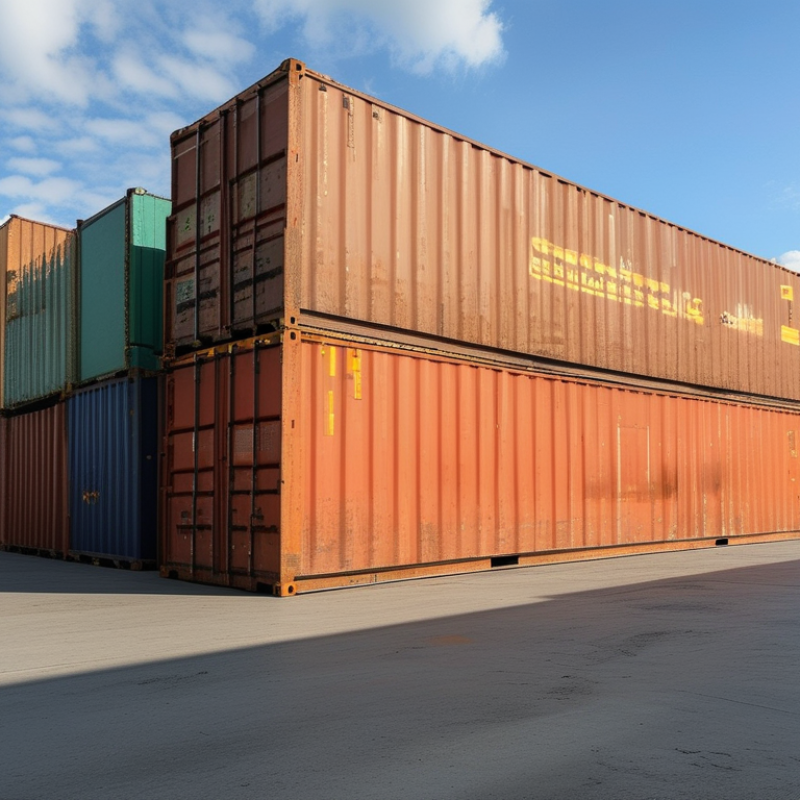
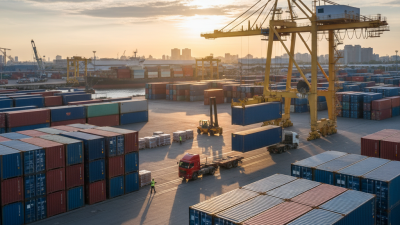
20ft containers play a crucial role in global trade. They facilitate efficient transportation of goods across countries. Their standardized size allows for easy stacking and loading onto ships, trucks, and trains. As such, these containers have become a vital part of international logistics.


Understanding their significance can help businesses maximize value. For instance, choosing the right container type for specific cargo is essential. Consider the nature of the goods. Some items may require temperature control, while others may be sensitive to moisture. Proper assessment leads to better protection of products during transit.


When selecting containers, buyers should consider the condition and specifications. New containers might offer better durability, but used ones can provide cost savings. Always conduct thorough inspections before purchasing.


Finding a reliable supplier is just as important. Research potential vendors and assess their reputation. Reading reviews and asking for references can provide insight into reliability. Effective communication with suppliers can avoid misunderstandings and ensure smooth transactions.
Evaluating Cost-Effectiveness: Pricing Trends for 20ft Containers

In evaluating cost-effectiveness for 20ft containers, understanding pricing trends is crucial. The global shipping container market has seen significant fluctuations. According to a recent report by ContainerTrade Statistics, prices for new 20ft containers surged by over 30% in 2021. Yet, in the past year, prices have stabilized, reflecting a more balanced supply and demand scenario.

Market dynamics play a vital role in 20ft container pricing. For instance, disruptions in global supply chains due to various factors resulted in a temporary shortage, driving prices up. Yet, with increasing manufacturing rates, some industry experts predict a downward adjustment in 2024. This could mean buying decisions should be based on careful price analysis rather than panic-based purchasing.

While these data points provide insight, it’s essential to acknowledge that local market conditions may vary widely. Different regions might experience different cost pressures. Therefore, consulting with experienced logistics partners can lead to better-informed decisions. Observing local trends, while considering global shifts, may yield better value.

Key Specifications: How Container Dimensions Affect Shipping Efficiency

When considering 20ft containers, understanding their dimensions is crucial for shipping efficiency. A standard 20ft container has external dimensions of approximately 20 feet long, 8 feet wide, and 8.5 feet high. This size allows for up to 28,000 pounds of cargo. Keeping these specifications in mind helps optimize space usage. Underestimating container dimensions can lead to increased costs and shipment delays.

The internal dimensions are also important. The usable space inside a 20ft container is usually about 19.4 feet long and 7.7 feet wide. Knowing these measurements enables better packing strategies. Cargo should be arranged to maximize volume while minimizing movement during transit. Poor packing can result in damaged goods or inefficient use of space.

Choosing the right container affects logistics and shipping costs. Consider the weight and volume limits of your cargo. It can be easy to overlook these factors, leading to expensive mistakes. Proper planning and knowledge can significantly impact your shipping strategy and overall profitability. Explore various options to find the best fit for your needs, but don’t rush the decision. Careful evaluation can yield valuable results in the long run.

Sustainability Practices: Eco-Friendly Options for 20ft Container Use

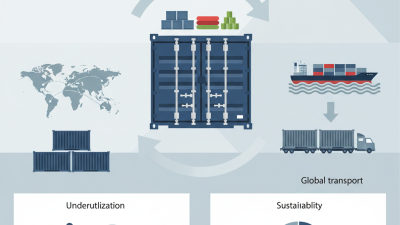
Sustainability is becoming crucial in container usage, particularly for 20ft containers. According to a recent report by the Global Logistics Group, shipping containers contribute significantly to carbon emissions. Thus, adopting eco-friendly practices is essential for every global buyer.

Recycling and repurposing are key strategies. More than 90% of shipping containers are manufactured from steel, making them highly recyclable. When containers reach the end of their shipping life, they present opportunities for new uses in construction, storage, and even art installations. This innovative approach reduces waste and promotes a circular economy.

Moreover, sustainable materials are now being incorporated into new containers. Some manufacturers are employing eco-friendly coatings and finishes to minimize environmental impact. Reports indicate that nearly 40% of buyers now prioritize sustainability in their purchasing decisions. Each choice made today affects future generations. This reflection on container use should inspire practices that balance profitability with ecological responsibility.

20ft Containers Tips for Global Buyers to Maximize Value

Tip Description Eco-Friendly Options Sustainability Practices
Choose Quality Materials Opt for containers made from durable and sustainable materials. Recycled Steel Using materials that reduce the environmental footprint.
Regular Maintenance Keep containers in good shape to extend their lifespan. Minimal Chemical Use Maintain containers using eco-friendly products.
Reuse and Repurpose Find innovative ways to reuse shipping containers. Shipping Container Homes Contributing to the circular economy by repurposing.
Optimize Transport Plan efficient routes to reduce fuel consumption. Group Shipments Reducing carbon emissions through optimized logistics.
Choose Versatile Designs Select containers designed for multiple uses. Modular Design Flexibility aids in reducing new material needs.

Logistics Optimization: Best Practices for Maximizing Container Utilization

Effective logistics optimization can significantly enhance the value derived from 20ft containers. Research from the International Maritime Organization indicates that container ships account for over 80% of global trade by volume. Thus, maximizing container utilization becomes crucial for global buyers. One way to achieve this is through efficient loading techniques, ensuring every inch of space is utilized. A study by the World Shipping Council reveals that properly loaded containers can reduce shipping costs by up to 25%.

Monitoring container weight is also essential. Overloading can lead to penalties and safety risks during transit. According to the International Maritime Bureau, improper weight distribution is a leading cause of shipping accidents. Maintaining strict adherence to weight limits can help avoid these issues while optimizing logistics.

Additionally, real-time tracking technology plays a pivotal role. Many logistics professionals emphasize the value of tracking systems for inventory management. Data indicates that businesses using such systems see a 20-30% improvement in operational efficiency. Nevertheless, the implementation of these technologies can impose initial costs that require careful evaluation. Balancing these expenses with potential savings is necessary for informed decision-making.

We are proud to support

Registered Company Name: Upminster Containers Limited. Registered Address: Mardyke Works, St Mary's Lane, Upminster, Essex RM14 3PA. Registered Company Number: 00940382
Developed & Maintained By Space Rocket Digital.
chevron-down