A Bess Connector may look like a small component beside a battery rack, yet it carries substantial current through demanding operating conditions. A poor fit can create heat, loosen under vibration, or complicate maintenance. Global buyers therefore need more than a matching plug. They need a connector suited to the system’s electrical, mechanical, and environmental requirements.
Energy-storage expert Dr. Imre Gyuk has emphasized the value of storage to reliable grid operation; put plainly, system reliability depends on dependable components. That principle is useful, though it does not replace product testing or engineering review. Buyers should compare rated voltage and current, contact resistance, conductor size, insulation, ingress protection, temperature range, and mating cycles. Check whether the connector works with the specified cable and installation method. Ask for test reports, traceable product documentation, and clear guidance on inspection and replacement. Details matter.
This guide’s seven buying tips help global teams assess those details before placing an order. They cover application fit, materials, safety documentation, supplier capability, customization, logistics, and long-term support. A catalogue photo cannot show contact quality. Nor does a low unit price reveal lifecycle cost. Some purchasing teams still overvalue price; that is worth reconsidering. A careful comparison can reduce avoidable downtime and make procurement decisions easier to explain across engineering, sourcing, and operations teams.
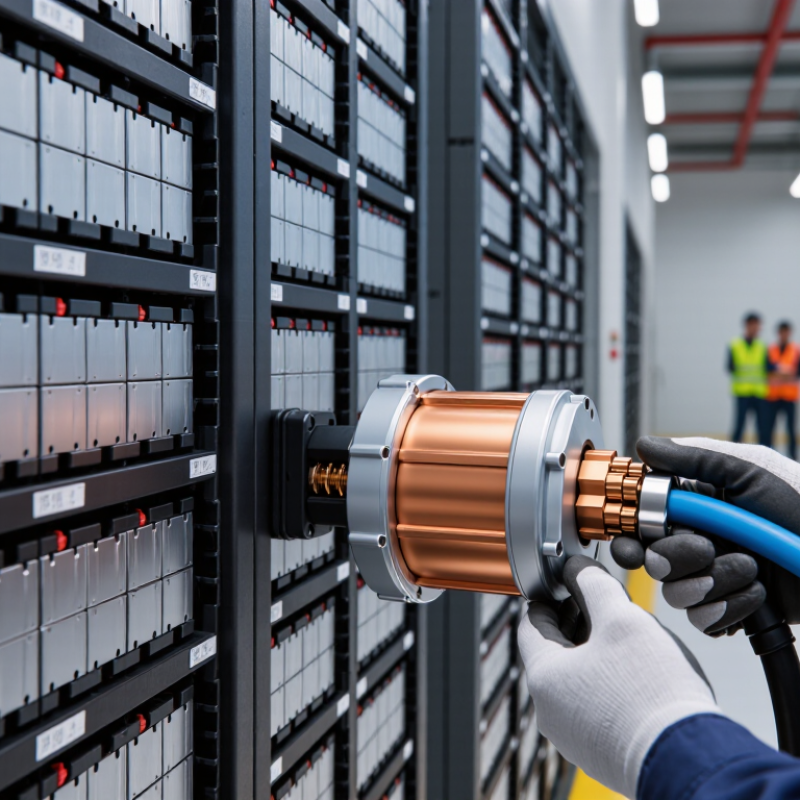
BEss Connectors are the electrical interfaces linking battery modules and racks with power conversion equipment and auxiliary circuits. They carry current, but also affect installation speed, maintenance access, and system reliability. A connector that is difficult to identify or reach can turn routine inspection into a slow task. Small details matter.
The International Energy Agency’s Batteries and Secure Energy Transitions report states that battery storage capacity added to the power sector reached about 42 GW in 2023, over 130% more than in 2022. That growth makes consistent connection design increasingly important. Buyers should check rated voltage and current, conductor size, temperature limits, polarity protection, and resistance to vibration. Ask how contacts perform after repeated mating cycles, and whether the enclosure suits the installation environment. A datasheet is useful, but it may not show every field condition. Check compatibility with the actual cables and equipment, not just a sample drawing. Fit matters. A qualified engineer should verify the complete connection path before procurement.
Choose connectors to match the system’s electrical ratings, environmental conditions, and maintenance requirements. Voltage classes shown are representative examples, not universal BESS specifications.
Buying tip: Verify the connector’s rated voltage against the system’s maximum operating voltage, and check current capacity, temperature range, ingress protection, and compatibility with the cable and installation method.
A BESS connector must match the electrical conditions it will actually face, not just the headline rating on a datasheet. Check the system’s maximum DC voltage and continuous current, including expected overload periods. Compare these values with the connector’s ratings at the planned ambient temperature. Heat builds quickly inside crowded enclosures. Conductor size, contact resistance, and crimp quality also affect temperature rise. Ask suppliers for test conditions and compatible cable ranges, then verify the assembly with the cable and tools you intend to use.
Environmental requirements deserve equal attention. A battery container near a coast may face salt-laden air, while an outdoor cabinet may see direct sun, rain, dust, and wide temperature swings. Confirm the required ingress protection for the installed connection, not just the connector body in isolation. Check material resistance to UV exposure, corrosion, vibration, and the site’s minimum and maximum temperatures. Small details matter. A seal can be compromised by a mismatched cable diameter or poor assembly.
Installation access is easy to underestimate. Leave room for locking, inspection, and safe cable bends, especially where connectors sit behind modules or inside narrow cabinets. Review polarity marking, touch protection, and mating-cycle limits with the system design team. Ask for documentation on applicable tests and traceability. A tidy specification still may not capture every site condition; field review can reveal awkward routing or moisture paths that drawings missed. Then inspect. A qualified engineer should confirm the final selection against the project design and manufacturer instructions.
7 BESS Connector Buying Tips for Global Buyers
Checking Compatibility With Cables, Equipment, and System Design
The IEA’s 2024 Batteries and Secure Energy Transitions report sets a demanding scale benchmark. Its net-zero pathway requires 1,500 GW of global energy storage by 2030, six times the current capacity. As projects grow, connector selection must fit the full electrical design. Check conductor material, cable cross-section, insulation diameter, voltage, and continuous current. A matching voltage rating alone is not enough. Small mismatches matter.
Compare the connector interface with battery racks, combiner panels, inverters, and service disconnects before ordering. Check current derating at the site’s expected ambient temperature, along with cable bend radius and enclosure entry dimensions. Ask for test data on temperature rise, vibration, ingress protection, and mating cycles; ratings based on different test conditions may not be comparable. This check is easy to rush. Revisit the layout when installation details become clearer, since early drawings may miss a tight bend or service clearance. Measure twice.
| Tip | Compatibility Dimension | What to Check | Practical Buyer Action |
|---|---|---|---|
| 1 | Voltage and insulation rating | Confirm that the connector’s rated voltage and insulation coordination suit the system’s maximum operating voltage, grounding arrangement, and applicable electrical requirements. Consider the complete circuit, not just the nominal battery voltage. | Compare the connector datasheet with the battery, inverter, and system design documents. Ask the design engineer to verify suitability for the intended DC voltage and installation category. |
| 2 | Current capacity and thermal conditions | Current-carrying capacity depends on factors such as conductor size, ambient temperature, cable grouping, installation method, contact resistance, and allowable temperature rise. A connector’s headline current rating may not apply in every installation. | Check the manufacturer’s derating information and verify the expected continuous and peak current against the actual cable and operating conditions. |
| 3 | Cable conductor and cross-section | Match the connector termination to the cable’s conductor material, cross-sectional area, strand construction, and specified crimp or termination method. The permitted cable range must come from the connector documentation. | Provide the cable datasheet and exact conductor size to the supplier. Confirm the required tooling, crimp profile, and inspection method before installation. |
| 4 | Cable insulation diameter and flexibility | Check that the cable’s outside diameter fits the connector’s seal or gland range. Cable insulation material, flexibility, bend radius, and environmental rating also affect routing and sealing. | Compare the cable’s measured outside diameter with the connector’s documented range. Review routing space and bend-radius limits in the equipment layout. |
| 5 | Mating interface and polarity | Verify the mating connector type, contact arrangement, keying, and polarity. Connectors that look similar are not necessarily compatible; mating parts should be confirmed as an approved matching pair. | Check part drawings and assembly instructions, and confirm positive and negative connections against the system wiring diagram. Do not assume that connectors from different product families can be intermated. |
| 6 | Equipment enclosure and installation environment | Check mounting dimensions, panel cutouts, clearance, locking access, and the enclosure’s required ingress protection. The completed installation’s protection depends on the connector, mating condition, seals, and installation quality. | Review the equipment drawings and the connector’s environmental specifications for the intended indoor or outdoor location. Confirm sealing requirements and installation orientation. |
| 7 | System protection, service, and compliance | Ensure the connector is suitable for the system’s fault-current and protection design, and review applicable product standards, temperature limits, and service requirements. A connector does not replace correctly selected fuses, isolation, or safe work procedures. | Have the system designer verify coordination with protective devices and maintenance procedures. Request relevant test reports and documentation for the target market and project requirements. |
A BESS connector is a small component with a major safety role. Poor contact pressure or an uneven crimp can create heat under high current. Check that the stated voltage, current, temperature range, and cable size match the system design. Ask for test reports covering the exact connector configuration, not a similar-looking product. Paperwork is not enough. Verify the certificate issuer, validity, and scope; some certificates cover only specific ratings or assemblies. Requirements vary by destination and system design, so confirm them with a qualified engineer or testing body. IEC and UL standards can provide useful reference points, but a mark alone does not prove suitability.
A reliable supplier should explain how connectors are tested and what conditions those tests represent. Request records for contact resistance, temperature rise, vibration, and ingress protection where relevant. Inspect samples for clean molding, secure seals, and consistent contact surfaces. The latch should engage firmly. Quality evidence should also include clear batch identification and traceability, so a production issue can be investigated. It is easy to overvalue certificates and overlook installation workmanship. Even a careful checklist may miss a poor crimp or damaged seal, so verify the connection process and inspect completed assemblies before commissioning.
For BESS connectors, a supplier comparison should start with evidence, not a low unit price. Ask for drawings, material specifications, test reports, and clear traceability for production batches. Check that ratings match your system’s voltage, current, temperature range, and installation conditions. A connector that fits on paper may be awkward to assemble in a crowded battery cabinet.
Lead times need the same scrutiny. Ask what is in stock, what still requires production, and which steps depend on tooling or outside components. Request a written schedule with shipping assumptions and update points. A quoted six-week lead time is less useful if it excludes inspection or freight. Build in a reasonable buffer. Plans change.
Total ownership cost includes more than the purchase order. Compare freight, incoming inspection, installation labor, compatible tooling, and expected replacement effort. For example, difficult-to-reach connectors can add labor during routine service. Poor contact performance can also create heat and troubleshooting work, though actual risk depends on system design and installation quality. Review test conditions carefully; a report is only useful when it reflects relevant operating stresses.
A simple spreadsheet helps. List each supplier’s price, confirmed lead time, documentation, and service terms beside estimated installation and maintenance costs. Some estimates will be imperfect. State the assumptions, then revisit them with engineering and procurement before approval.


