What Is the Best Type of 10ft Container from China?
Choosing the best 10ft container from China requires more than comparing factory prices. The right option depends on cargo volume, payload, route, handling equipment, and storage conditions. A compact container may suit machinery parts, retail stock, or a workshop project. It may fail when forklifts need wider access or cargo requires ventilation.
UNCTAD reports that more than 80% of global merchandise trade by volume moves by sea. This figure explains why container specifications matter beyond the purchase invoice. Drewry’s container equipment research also tracks manufacturing, leasing, availability, and equipment costs across major markets. These factors can influence delivery schedules and total landed cost. A cheaper 10ft container is not automatically the better choice.
Lars Jensen, founder of Vespucci Maritime, describes container shipping as “a derived demand industry.” His observation is useful here. Container demand follows trade, production, and distribution needs. It does not exist in isolation. This guide compares standard, high-cube, open-top, refrigerated, and modified 10ft container options from China. It considers ISO dimensions, payload limits, door design, flooring, corrosion protection, and CSC compliance where applicable. The details matter.
There is no universal winner. A standard dry container may be the safest starting point. A high-cube model can offer extra internal clearance, but availability may be narrower. Modified units need closer inspection. Some listings also use “10ft” loosely. That deserves caution. Buyers should verify drawings, tare weight, usable capacity, weld quality, photographs, and inspection records before ordering.
What Is a 10ft Container and Why Choose One from China?
A 10ft container is a compact steel cargo unit, usually measuring about 10 feet long, 8 feet wide, and 8 feet 6 inches high. Its internal space varies by manufacturer, so always check the technical drawing. It can hold tools, spare parts, small machinery, or household goods without wasting space in a larger container. Many buyers choose one from China because manufacturing capacity supports flexible specifications, competitive pricing, and practical customization. Options may include side doors, ventilation panels, shelving, flooring, insulation, and different paint systems.
A smaller container fits narrow sites better. It can sit beside a workshop, on a farm, or near a construction area. However, the usable floor area may surprise new buyers. A standard pallet can block the doorway if loading space is poorly planned. Door height, floor strength, corner fittings, weld quality, and waterproof testing deserve careful review. Ask for material specifications, production photos, inspection records, and clear packing dimensions. A low quotation can hide extra costs for inland transport, port handling, or modifications. That part is easy to overlook.
Tips: Draw your loading plan before ordering. Mark the pallet positions and forklift path. Confirm internal dimensions, tare weight, door clearance, and delivery access. Request a pre-shipment inspection, even for a simple unit. Check the roof after rain if possible. Small details matter. I would also compare two or three written quotations, because specifications can differ while prices look similar.
Which 10ft Container Types Are Available from Chinese Manufacturers?
Chinese manufacturers offer several 10ft container types, and each suits a different operating condition. The standard dry container is the common choice for general cargo, tools, spare parts, and temporary storage. It usually has steel doors, plywood flooring, and corner castings for lifting. A 10ft high-cube model provides extra internal height, which helps with tall equipment or bulky cartons. However, the added height may affect transport clearance.
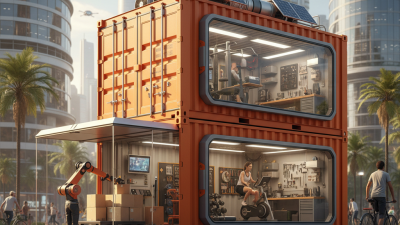
A 10ft refrigerated container uses insulated panels and a cooling unit for temperature-sensitive goods. It needs a stable power supply and regular maintenance. An open-top container allows cranes to load tall machinery from above. A flat-rack version works better for oversized equipment, although it offers limited weather protection. Side-opening containers provide wider access, useful when pallets cannot be reached through one end. Some Chinese manufacturers also produce insulated, mobile office, and customized storage containers.
The best selection starts with the cargo, not the container’s appearance. Ask for external and internal dimensions, tare weight, payload, flooring details, door measurements, and lifting points. Request welding photos and inspection records. Small differences matter.
A mistake I often see is choosing a refrigerated unit for cargo that only needs ventilation. That adds cost and maintenance without real value. I would also check coating thickness, drainage design, and replacement-part availability. Factory drawings may look precise, but practical loading tests can reveal awkward clearances. Availability changes by production schedule, so confirm specifications before placing an order.
How Do Materials, Features, and Specifications Differ?
A 10ft container from China can look simple, but its materials change daily performance.
Most units use weathering steel panels with welded corner posts and bottom rails. Thicker steel usually improves impact resistance, but it also increases tare weight. The floor often combines treated hardwood and steel cross-members. Check the treatment record and floor thickness. Some suppliers use marine plywood, which handles moisture better, but quality still varies.
Features should match the cargo and handling method.
Standard double doors provide wide access for pallets and bulky equipment. Ventilation openings help reduce condensation, although they do not replace moisture control inside the container. Locking bars, rubber gaskets, and reinforced hinges deserve close inspection. Forklift pockets can simplify empty-unit handling, but their rated capacity must be confirmed. Insulation, lighting, shelving, or a side door may be useful upgrades. They also reduce internal space.
Specifications need careful comparison.
A typical 10ft model is about 3.0 meters long, but external and internal dimensions differ. Tare weight, maximum gross weight, payload, and cubic capacity should appear on one clear data sheet. Small measurement differences matter. Ask for door clearance, floor height, corner casting details, and coating information. Photos can hide rust around welds. That is a weakness in my own checking process too. I once focused on overall dimensions and overlooked door-seal compression. The container arrived usable, but not as dry as expected. Independent inspection, production photos, and consistent documents provide stronger evidence than attractive listings.
How to Match a 10ft Container Type to Your Intended Use
What Is the Best Type of 10ft Container from China?
Choosing a 10ft container starts with its intended use, not its lowest quoted price. A standard dry container suits cartons, tools, furniture, and general warehouse storage. Its steel walls protect goods from rain, but internal moisture can still form during temperature changes. Add ventilation when storing wood, textiles, or machinery.
A high-cube model offers extra interior height for bulky equipment or stacked goods. However, availability and exact dimensions can vary by supplier. Confirm the internal height, door opening, floor load, and tare weight before ordering. For temperature-sensitive products, a refrigerated container may be appropriate, but it needs a reliable power supply and regular maintenance. It is not a simple storage box.
An open-side container helps when pallets must be loaded from the long side. This can save labor in narrow yards. An open-top model works better for tall cargo loaded by crane, while a flat rack suits heavy machinery with unusual dimensions. These choices may cost more and require careful lashing. Do not assume a 10ft container has unlimited payload. That is a common mistake. Request clear drawings, recent inspection photographs, coating details, door measurements, and load specifications. A trial unit or pre-shipment inspection can reveal small problems, such as stiff hinges or uneven flooring, before the container reaches your site.
What Is the Best Type of 10ft Container from China?
Match the container type to your intended use by comparing typical internal dimensions. High-cube units provide more vertical clearance, while reefer containers sacrifice space for temperature control.
Typical internal dimensions are approximate and may vary by manufacturer and insulation thickness. Choose a standard dry container for general cargo, a high-cube container for tall or bulky goods, a reefer for temperature-sensitive cargo, and an open-top container for oversized items loaded by crane.
What Should Buyers Check Before Ordering a 10ft Container from China?
A 10ft container is not simply a smaller 20ft model. Its dimensions, door opening, payload, and handling points can vary by supplier. Before ordering from China, request a technical drawing with external and internal measurements. Confirm the container’s tare weight and maximum payload. Your cargo may fit inside, yet exceed safe floor loading limits.
Inspect the steel panels, corner castings, roof, doors, locking bars, hinges, and wooden floor. Look for rust, dents, repaired welds, and water stains. Ask for recent photos, a loading video, and the container identification details. A pre-shipment inspection is worthwhile, especially for a first order. Check the compliance plate and confirm whether the unit is accepted by your intended carrier and destination port. Ten-foot containers can face handling restrictions. This detail is often missed.
Tips: Confirm the exact steel thickness and paint system in writing. Ask how moisture protection is tested. Verify packing dimensions, delivery terms, insurance responsibility, and unloading equipment before payment. I have seen buyers focus on price, then discover that their forklift cannot enter the narrow door. That mistake is expensive. A small design change may also affect usable space, so compare the drawing with your actual cargo before approving production.