Choosing a reliable Copper Tap manufacturer requires more than comparing catalog photos and quoted prices. Global buyers must examine material quality, production control, certification, and after-sales support. A polished surface can look impressive, yet it may hide thin walls, weak threads, or inconsistent plating.
This guide introduces ten Copper Tap manufacturers serving international markets. Each company is considered through practical sourcing factors, including alloy composition, casting accuracy, cartridge performance, leak testing, surface durability, and packaging protection. Details such as thread standards, water-pressure testing, and replacement-part availability can influence a project long after installation.
Small details matter.
Experienced buyers often request factory videos, sample reports, and inspection records before placing large orders. They may also compare salt-spray results, handle movement, inlet dimensions, and carton strength. These checks reduce avoidable problems during shipping and installation. Still, no supplier is perfect. A manufacturer with excellent craftsmanship may offer longer lead times, while a highly responsive exporter may provide fewer customization options.
The manufacturers discussed here represent different strengths, including architectural design, hospitality supply, OEM production, and bathroom hardware specialization. Their suitability depends on project location, budget, water conditions, and compliance requirements. Product claims should always be confirmed directly with the supplier. Independent inspection remains sensible for high-value orders.
The goal is not to promote the most attractive finish. It is to help global buyers identify dependable partners and ask better questions before committing to a Copper Tap purchase.
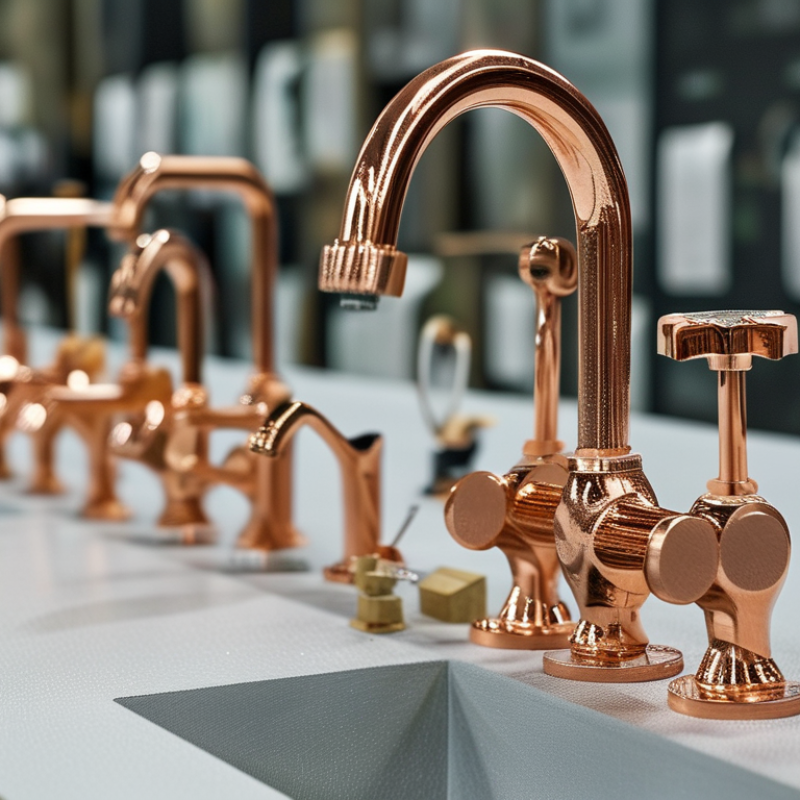
A high-quality copper tap manufacturer begins with material control, not attractive photographs. Global buyers should ask for copper composition reports, supplier traceability, and clear production records. The manufacturer must explain whether each body is forged, cast, or machined. These processes affect strength, wall thickness, and internal consistency.
During factory inspections, I look closely at threads, joints, cartridge seats, and unfinished edges. Small burrs often reveal weak process control. Reliable manufacturers test water pressure, leakage, handle cycles, and surface adhesion before shipment. They should also provide batch numbers, inspection records, and documentation for the destination market’s safety requirements. Compliance cannot be assumed.
Finish matters, but it is not everything. A bright coating may hide poor polishing or uneven plating. Ask for salt-spray or coating durability results when the tap will face humid conditions. Confirm the cartridge’s replacement availability and the warranty response time. Packaging deserves attention too; loose metal parts can scratch during long-distance transport.
No factory is flawless. That matters. A trustworthy supplier admits production limits, records defects, and explains corrective action. Some manufacturers promise customization but cannot maintain color consistency across batches. Others offer low prices while reducing internal material thickness. Buyers should compare samples with mass-production units, not judge one display piece. Clear communication, repeatable testing, and honest documentation usually define a dependable copper tap manufacturer.
Global copper tap suppliers should be compared through evidence, not polished photographs. Examine copper purity, alloy composition, wall thickness, cartridge durability, and surface treatment. A reliable supplier should provide batch-level material reports, pressure-test records, and traceable production dates. These details matter when taps face hard water, temperature changes, and daily commercial use.
The WHO Guidelines for Drinking-water Quality set 2 mg/L as a guideline value for copper in drinking water. Ask suppliers for migration or leaching test results under suitable conditions. NSF/ANSI/CAN 61 certification can support drinking-water contact claims, while ISO 9001 certification shows documented quality procedures. However, certification alone proves little about every shipment. The ISO Survey 2023 reported more than one million ISO 9001 certificates worldwide. That scale makes independent verification even more important. Request samples from current production, not only showroom stock. I have seen attractive samples fail during repeated handle testing. Small details reveal large risks.
Tips: Build a scorecard with material, compliance, testing, warranty, lead time, and defect-rate fields. Require third-party reports with laboratory names and test dates. Compare at least three suppliers using identical questions. Check packaging strength, spare-part availability, and response time before signing. A low unit price can become expensive after leakage, returns, or installation delays. Recheck certificates before each major order. Suppliers change.
International buyers need more than polished photos when comparing leading copper tap manufacturers. Material traceability, casting consistency, cartridge performance, and export documentation deserve equal attention. The USGS Mineral Commodity Summaries 2024 reported approximately 22 million metric tons of mined copper production in 2023. That scale supports supply, but it does not guarantee stable alloy quality. Experienced manufacturers should provide alloy specifications, batch records, pressure-test results, and clear warranty terms. Some suppliers still describe brass products as “copper taps,” which can create costly misunderstandings.
For overseas projects, compliance is practical, not decorative. Ask whether the manufacturer can support drinking-water requirements in the destination market. Request test reports for lead content, corrosion resistance, flow performance, and surface durability. The International Copper Study Group’s October 2024 outlook projected continued growth in refined copper use through 2025, partly linked to electrification and construction demand. Higher demand may affect metal pricing and lead times. A dependable supplier should explain its purchasing strategy instead of promising unrealistic delivery dates. Ten candidates may look similar. Their records rarely are.
10 Best Copper Tap Manufacturers for Global Buyers
When comparing the 10 best copper tap manufacturers, examine their product range closely. Reliable suppliers usually offer basin taps, kitchen mixers, shower sets, wall-mounted faucets, and outdoor valves. A broad range suggests stronger tooling and production experience. However, variety alone proves little. Ask for material specifications, coating samples, cartridge details, and test reports before placing an order. During factory evaluations, I prefer checking unfinished bodies, polished surfaces, and assembled units. These details often reveal more than a polished catalogue.
Customization separates capable manufacturers from simple trading companies. Buyers may request special spout lengths, handle shapes, water outlets, mounting plates, or aged copper finishes. Confirm whether the factory controls casting, machining, polishing, plating, and final assembly internally. In-house control can improve consistency and reduce communication delays. It may also increase the minimum order quantity. That trade-off matters. Technical drawings should include dimensions, thread standards, inlet spacing, surface treatment, and packaging requirements. Small errors can create expensive installation problems.
Manufacturing capability also includes quality control and production planning. Look for pressure testing, leak inspection, salt-spray testing, and batch traceability. Ask how rejected components are recorded and corrected. A dependable manufacturer should explain lead times clearly and provide realistic sample schedules. Certifications can support credibility, but they should match the destination market and product type. No factory is perfect. I still question suppliers that promise every finish, every size, and very short delivery times. Practical capacity is usually more valuable than impressive claims.
This benchmark compares product and manufacturing capabilities across a representative sample of 10 global copper tap manufacturers. The figures show how many of the reviewed manufacturers commonly provide each capability, including product coverage, custom finishes, private labeling, and compliance support.
A copper tap is usually made from copper alloy, not pure copper. This distinction matters. Pure copper is softer and may not suit pressure-bearing components. Ask the manufacturer for alloy composition, lead content, and independent laboratory reports. The WHO guideline for lead in drinking water is 10 μg/L, so material safety deserves careful verification. Request testing against relevant standards, such as NSF/ANSI/CAN 61 or applicable European requirements.
Supply reliability also affects your market position. The USGS Mineral Commodity Summaries 2025 reported about 23 million metric tons of mined copper production worldwide in 2024. However, mining output does not guarantee stable tap production. Check the factory’s access to certified raw materials, production capacity, inspection records, and backup suppliers. Review coating adhesion, cartridge life, pressure testing, and corrosion resistance. A factory visit can reveal more than a polished catalogue. I once underestimated spare-part availability. That mistake created avoidable after-sales costs.
Tips: Compare three suppliers using the same specification sheet. Request samples from different batches. Test thread accuracy, handle movement, water flow, and surface finish. Confirm packaging for humid shipping routes. Also clarify minimum order quantities, replacement parts, warranty terms, and delivery records. A low quotation may hide weak testing or expensive future repairs. Even experienced buyers should leave room for doubt.


