Let’s discuss your container requirements
01708 225350
Call Us
sale@modularmarbles.com
Email Us

What Is the Best Hydraulic Cutting Machine in China?

Choosing the best Hydraulic Cutting Machine in China is not as simple as comparing price tags. A machine that cuts thin rubber sheets may struggle with dense leather, composite board, or repeated production runs. The right choice depends on the material, required cutting area, daily output, and available workshop space. Small details matter.

A useful comparison looks beyond advertised tonnage. Buyers should check cutting pressure, stroke adjustment, table size, blade compatibility, control options, and the consistency of finished cuts. Ask how the machine performs with your actual material thickness, not only a sample shown in a brochure. Request a trial cut when possible. Watch for edge quality, noise, vibration, and how easily an operator can load and position the material. Safety features and access to spare parts also deserve careful attention.

Chinese manufacturers offer a broad range of hydraulic presses, from compact workshop models to equipment designed for continuous industrial use. But country of origin alone cannot identify the best machine. Specifications, build quality, technical support, and clear communication all shape the result. A low quote may leave important details unclear. That judgment can be wrong, too; a higher price does not guarantee a better fit. This guide explains what to compare, which questions to ask suppliers, and how to match a machine to real production needs. The aim is practical: find dependable cutting performance without paying for capacity your operation will not use.
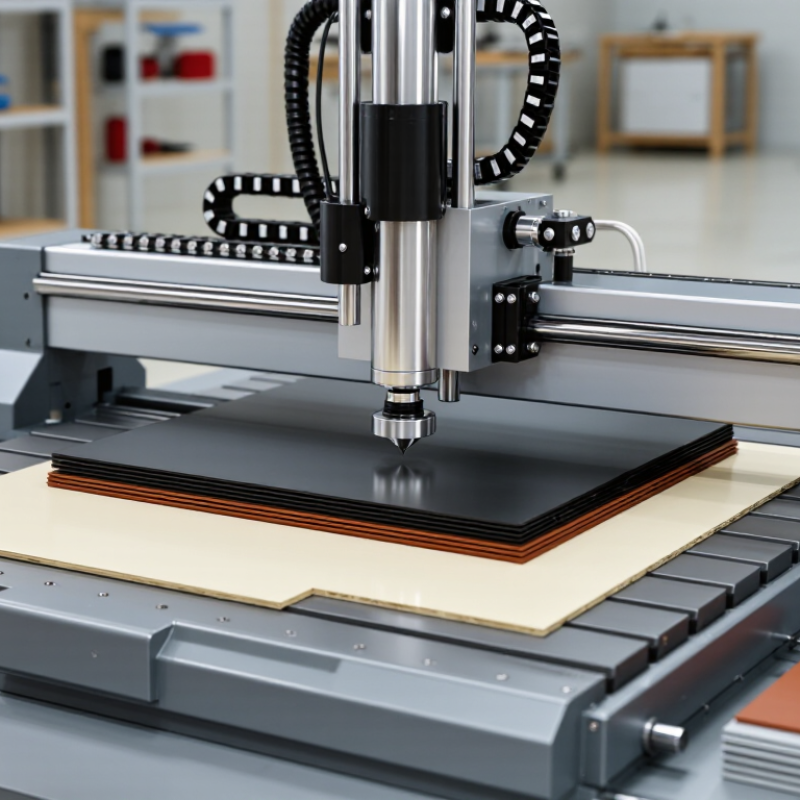
What Is the Best Hydraulic Cutting Machine in China?

What Is a Hydraulic Cutting Machine and What Is It Used For?

A hydraulic cutting machine uses pressurized fluid to drive a blade, platen, or cutting tool through material. A pump sends oil into a cylinder, creating force that moves the cutting head. Some machines use a straight guillotine blade; others press a shaped die into a sheet. The principle is simple. Setup still matters. Blade shape, pressure, and material support all affect the cut.

These machines are used for materials such as metal sheet, rubber, foam, leather, textiles, and certain plastics. For example, an operator can align a marked steel blank against a back gauge before lowering the blade. Die-cutting models can produce repeated shapes for gaskets or packaging. However, one machine cannot handle every material equally well. Brittle stock, delicate surfaces, or very tight tolerances may require another cutting method. Tonnage alone is a poor measure.

When comparing hydraulic cutters made in China, match rated force and bed size to the materials you actually process. Check the guarding, emergency stop, adjustment range, and availability of clear operating instructions. Ask for test cuts on your own sample material rather than relying only on catalog figures. A powerful machine may still leave rough edges if the blade is dull or misaligned. Maintenance is easy to underestimate. Regular checks of hoses, oil condition, blade clearance, and safety interlocks help keep operation consistent.

What Is the Best Hydraulic Cutting Machine in China?

Hydraulic cutting machines use pressurized fluid to drive a cylinder and apply cutting force. The required force depends on the material, thickness, die, and machine design.

This chart compares theoretical cylinder force at a constant hydraulic pressure of 25 MPa. Force is calculated from pressure × piston area; actual machine force may be lower because of friction and pressure losses. Choose a machine based on the material and cutting requirements, not force alone.

How Does a Hydraulic Cutting Machine Work?

What Is the Best Hydraulic Cutting Machine in China?

How Does a Hydraulic Cutting Machine Work?

A hydraulic cutting machine turns fluid pressure into blade force. An electric motor drives a pump, which sends oil through valves into a cylinder. The piston then pushes the blade through sheet material.

The basic relationship is force equals pressure multiplied by piston area. At 25 MPa and 0.01 square metres, the theoretical force is 250 kN. That is the ideal.

Friction, leakage, and pressure losses reduce real output. The U.S. Department of Energy’s Improving Pumping System Performance sourcebook reports that pumping systems can use 25–50% of energy in some industrial facilities. This is not a figure for cutting machines alone, but it makes pump efficiency worth checking.

In practice, an operator positions the material, selects a suitable stroke, and starts the cycle. The blade descends, cuts, and retracts as valves redirect oil.

A clean cut depends on more than pressure: blade condition, material thickness, alignment, and feed speed all matter. A gauge can look normal while a worn blade leaves rough edges. This is easy to overlook.

When comparing machines in China, check repeatability, guarding, leakage control, and service access alongside rated force. A short trial on your actual material tells more than a catalogue number. Even then, results may vary.

What Types of Hydraulic Cutting Machines Are Made in China?

Chinese-made hydraulic cutting machines are usually classified by frame design and how the cutting head moves. Swing-arm presses suit small parts and short production runs, such as leather patches, shoe components, and gaskets. The operator positions the die by hand. The categories overlap.

Traveling-head beam presses handle wider sheets of foam, textiles, or synthetic materials. Their cutting head moves across the bed, which can reduce repeated material handling. Flatbed and four-column presses offer different levels of support for larger workpieces. Their performance depends on details such as platen alignment, cutting force, stroke, and usable table area—not just the headline tonnage.

For a practical comparison, ask the supplier to cut your actual material and die. Test real material. Check the cut edge, cycle consistency, and whether the machine can maintain pressure during repeated use. Guarding, emergency stops, clear operating instructions, and accessible maintenance points also matter. Catalog specifications rarely show everything. Even a well-matched machine may need adjustments for a particular material, and that part is easy to underestimate.

Which Industries and Materials Do These Machines Serve?

Hydraulic cutting machines serve packaging, automotive interiors, textiles, footwear, and gasket production. They cut sheet materials with a die, applying controlled force through a hydraulic system. Common materials include leather, rubber, foam, fabric, felt, and thin plastic sheets. In a workshop, this might mean cutting foam for seat cushions or rubber sheets into repeatable gasket shapes. Clean edges matter, but so does consistent sizing across a production run.

Material thickness and hardness affect the force required. A machine suited to soft fabric may struggle with dense rubber or stacked sheets. Operators should check the cutting area, stroke, pressure range, and die compatibility against real production samples. A trial cut can reveal compression, fraying, or uneven edges before full-scale use. One detail is easy to overlook: worn dies can reduce accuracy even when the machine itself is working properly.

Tips: Test the thickest intended material first. Keep hands clear of the cutting zone, and follow the machine’s operating and maintenance instructions. Record pressure settings for repeat jobs, but verify each new material batch; small variations can matter.

What Is the Best Hydraulic Cutting Machine in China? — Industries and Materials Served

Machine Type Typical Cutting Method Common Materials Typical Applications Industries Served Key Selection Considerations
Hydraulic guillotine shear A straight blade cuts sheet or plate in a single stroke. Mild steel, stainless steel, aluminum, and other metal sheet or plate within the machine’s rated capacity. Straight-line blanking and cutting of flat metal stock. Sheet-metal fabrication, appliance manufacturing, construction, and general metalworking. Match rated cutting capacity to the material type, thickness, and working width. Also consider blade clearance adjustment, backgauge range, and cut accuracy.
Hydraulic swing-beam shear A pivoting upper blade shears sheet metal against a fixed lower blade. Commonly processed sheet metals such as mild steel, stainless steel, and aluminum, subject to the specified capacity. Repeated straight cuts in fabrication shops and production lines. Metal furniture, electrical enclosures, vehicle components, and contract fabrication. Evaluate cutting length, maximum thickness, blade condition and adjustment, work-support features, and the expected production rate.
Hydraulic CNC guillotine shear Hydraulic shearing with programmable control of the backgauge and cutting sequence. Sheet and plate metals supported by the machine’s rated capacity and tooling setup. Repeatable blank cutting for batches with changing dimensions or job programs. Automotive suppliers, industrial equipment manufacturing, and higher-volume sheet-metal fabrication. Check controller functions, positioning repeatability, safety systems, service access, and whether the capacity covers the thickest material to be cut.
Hydraulic press die-cutting machine A press applies force through a shaped cutting die or rule die. Rubber, foam, leather, fabric, gasket sheet, paperboard, and some flexible plastics, depending on die and setup. Cutting repeated shapes from sheet, roll-fed, or layered flexible materials. Footwear, upholstery, packaging, gasket production, and textile converting. Consider required cutting force, bed size, material thickness and layering, die dimensions, and the need for manual or automated feeding.
Hydraulic beam press cutter A moving beam presses a cutting head or die into the material. Leather, textiles, foam, rubber, and other compressible or flexible sheet materials. Die cutting of components and patterns, including work across a larger table area. Footwear, luggage, automotive interiors, furniture, and technical textiles. Compare available cutting area, pressure distribution, head travel, operator access, and the dimensions and frequency of the parts being cut.
Hydraulic pipe or profile cutting system A hydraulic drive powers a blade or matched tooling to cut supported stock. Metal tubes and profiles compatible with the machine’s tooling and capacity. Cut-to-length preparation of tube and profile sections. Furniture frames, construction products, machinery, and metal-tube fabrication. Confirm the permitted cross-section, wall thickness, material, cut angle, clamping method, and whether the setup supports the required production volume.

Selection note: There is no single best hydraulic cutting machine for every application. Actual capacity and suitable materials vary by machine design, tooling, material grade, thickness, and operating conditions. Confirm the manufacturer’s rated specifications and safety requirements before purchase.

How Can Buyers Compare Chinese Hydraulic Cutting Machines?

Comparing Chinese hydraulic cutting machines starts with the material, not the headline tonnage. Check the material type, thickness, and daily output you actually need. A machine rated for thick stock may still cut slowly or leave rough edges on your usual material. Numbers need context. Compare cutting force, stroke length, table size, and blade dimensions together. Ask for a test cut using a sample close to your own production material. Examine the edge, repeatability, and time required per cycle.

Look beyond the control panel. Ask how the machine handles pressure adjustment, blade clearance, and routine maintenance. Request clear specifications for the hydraulic pump and motor, plus a list of wearing parts. Ask for operating and maintenance manuals in a language your team can use. Get the warranty scope, spare-parts lead time, and remote support process in writing. A low quotation can hide costly delays. Ask for a detailed breakdown of installation, training, and shipping costs. Compare safety features, such as two-hand controls, guards, and emergency stops, against the machine’s actual working setup. A polished demonstration helps, but it does not replace checks on your own material. One comparison may still feel incomplete; note what you could not verify before choosing.

We are proud to support

Registered Company Name: Upminster Containers Limited. Registered Address: Mardyke Works, St Mary's Lane, Upminster, Essex RM14 3PA. Registered Company Number: 00940382
Developed & Maintained By Space Rocket Digital.
chevron-down