In today's world, LED lights are transforming how we illuminate our homes and businesses. These lights are energy-efficient, durable, and versatile. They produce less heat and convert more energy into light. This means lower electricity bills for you. However, choosing the right LED lights requires knowledge and careful consideration.
Many options exist, making the selection process daunting. Some LED lights offer different color temperatures, while others focus on brightness. Understanding these specifics can enhance your environment. Not all LED products are created equally. Some may seem appealing but lack quality and longevity.
Here’s where expertise shines. Reliable brands can guide you. Customer reviews provide insight into performance over time. Additionally, consider your space's needs, whether you require ambient or task lighting. Proper selection ensures satisfaction and optimal functionality. Reflect on your choices to maximize the benefits of LED technology.
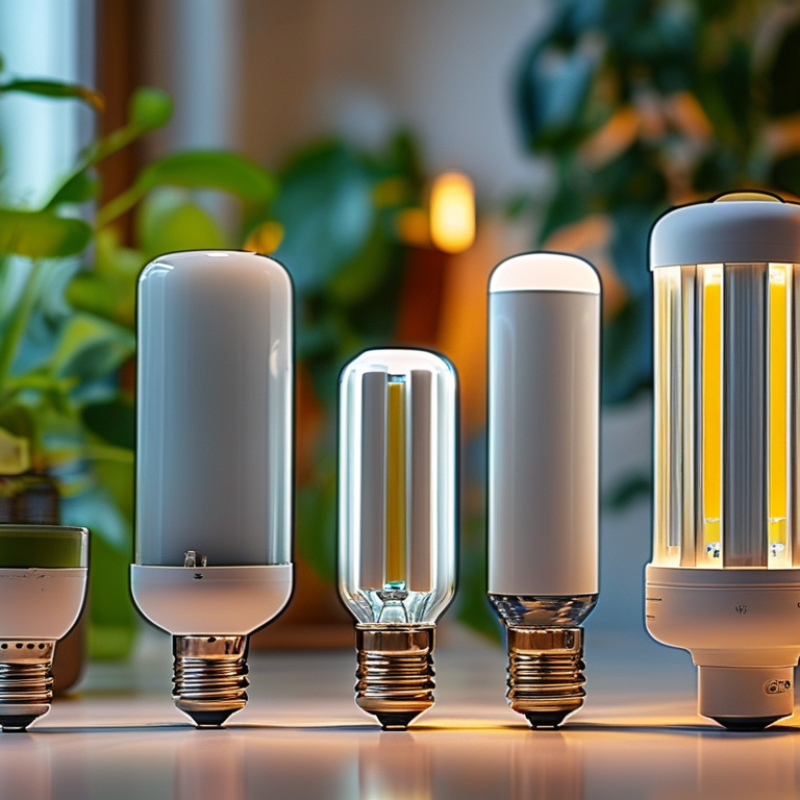
When choosing LED lights for home usage, several key features are essential to consider. Brightness, measured in lumens, determines how well a space is illuminated. Higher lumens mean brighter light, suitable for task areas like kitchens or workspaces. Energy efficiency is also crucial, as LED lights consume up to 75% less energy than traditional bulbs. This translates to reduced electricity bills, making them a cost-effective choice for homeowners.
Color temperature plays a significant role in setting the mood. Warm white light (2700K-3000K) is cozy, ideal for living rooms and bedrooms. Cooler temperatures (4000K-5000K) provide a crisp, energetic feel, suitable for offices or kitchens. Dimmer compatibility is another feature to ponder. Dimmer switches allow for adjustable light levels, enhancing comfort and efficiency.
Lighting placement matters too. Consider well-lit paths, workspaces, and cozy corners. Spotlights can highlight artwork or architectural features. Remember, the right choice of fixtures can transform a space. Not every LED bulb fits every socket or use. It’s essential to reflect on the specific needs of the area you’re illuminating. Balancing aesthetics with functionality ensures a harmonious environment.
LED lights offer numerous advantages over traditional lighting, particularly for businesses. One key benefit is energy efficiency. LED lights consume significantly less energy, resulting in lower electricity bills. This feature is especially valuable for large commercial spaces where lighting needs are substantial. Furthermore, LEDs have a longer lifespan, which means reduced replacement costs and less maintenance.
Consider the impact of better lighting quality. LED lights provide bright, consistent illumination that enhances visibility. This improves safety in workplaces and creates a more inviting atmosphere for customers. Companies can also utilize smart LED systems that allow for customization in brightness and color, tailoring the environment to specific needs.
Remember to assess your current lighting setup. Identify areas that could benefit from brighter, more efficient lighting. Experiment with different LED designs to find the best fit for your space. Simple changes, like dimmers or motion sensors, can enhance energy savings further. Always evaluate the long-term cost versus initial investment to ensure the best decision for your business.
| Type | Wattage | Lumens | Lifespan (Hours) | Energy Efficiency (%) | Applications |
|---|---|---|---|---|---|
| A19 LED Bulb | 9W | 800 lm | 25,000 | 80 | Home, Office |
| PAR LED Flood Light | 15W | 1200 lm | 30,000 | 85 | Outdoor, Landscape |
| LED Tube Light | 18W | 2200 lm | 50,000 | 90 | Commercial, Industrial |
| Downlight LED | 12W | 900 lm | 30,000 | 80 | Retail, Office Spaces |
| LED High Bay Light | 100W | 13,000 lm | 50,000 | 90 | Warehouses, Gymnasiums |
When selecting LED bulbs, energy efficiency and performance are critical factors. The market offers various options, and each can significantly impact your utility bills. Focus on bulbs with a high lumens-per-watt rating. This metric tells you how much light you get for your energy cost. The best bulbs provide excellent brightness while consuming less power.
Lifespan is another key area to consider. Quality LED bulbs can last up to 25,000 hours or more. Many people overlook this, often replacing traditional bulbs frequently. Investing in longer-lasting options can save both money and hassle.
Real-life comparisons show that LED bulbs outperform traditional incandescent or CFL options over time. However, not all LEDs are created equal. Some may flicker or have poor color accuracy. Research reviews and performance ratings before making a purchase. In the quest for a well-lit space, your choices should reflect both efficiency and quality.
Switching to LED lights can significantly impact the cost structure of commercial spaces. These lights consume less energy than traditional bulbs, leading to lower utility bills. Businesses see noticeable reductions in expenses over time. This shift not only saves money but also contributes to environmental sustainability, a priority for many organizations today.
While the initial investment for LED fixtures might be higher, the long-term benefits often outweigh the costs. Maintenance also becomes easier; LEDs have longer lifespans than conventional lighting. Fewer replacements mean less hassle. However, companies need to consider if they can tolerate the upfront costs. Financial planning is crucial.
It's important to evaluate individual needs before making a switch. Not every space may require the same brightness or color temperature. Some areas might benefit from a softer glow, while others need bright illumination. Testing different options can lead to better decisions. Reflecting on the best solutions tailored to specific environments is vital for optimal outcomes.
Recent advancements in LED technology have transformed lighting for both homes and businesses. In 2023, energy-efficient LEDs account for over 60% of the global lighting market. This shift is driven by lower energy costs and enhanced life spans, which can reach up to 50,000 hours. Many organizations are now setting benchmarks, aiming for sustainable practices. A report by the International Energy Agency suggests that LED adoption could reduce worldwide lighting energy demands by 30% by 2030.
Moreover, innovative features such as smart lighting systems are gaining traction. These systems enable users to adjust brightness and color temperature remotely. According to a recent survey, around 40% of consumers express interest in integrating smart LEDs into their homes. However, challenges remain. The initial investment can deter some businesses from making the switch. Many still rely on traditional lighting fixtures, which are less efficient and more costly over time. The lighting industry must address these barriers to ensure wider adoption of advanced technologies.
In parallel, concerns over the environmental impact of LED disposal are emerging. While LEDs are environmentally friendly in use, the presence of heavy metals necessitates careful disposal. Only about 20% of consumers are aware of proper disposal methods. Education on this front is crucial for maximizing the benefits of LED technology. Stakeholders must work harder to promote sustainable practices alongside innovative offerings.


