Choosing the best Film Faced Plywood for your project can be challenging. This versatile material is used in various applications, from construction to furniture making. Understanding its features and benefits is essential for making an informed decision.
Film faced plywood offers durability and water resistance. The film layer protects the plywood from moisture and damage. However, not all film faced plywood is created equal. Different manufacturers use varying qualities of materials and film types. This can lead to inconsistency in performance.
Evaluating your project requirements is crucial. Consider factors like exposure to moisture, load-bearing capacity, and finish desired. Reflecting on your needs helps to avoid potential regrets. A well-informed choice can enhance your project's success, while a hasty decision can lead to complications down the line.
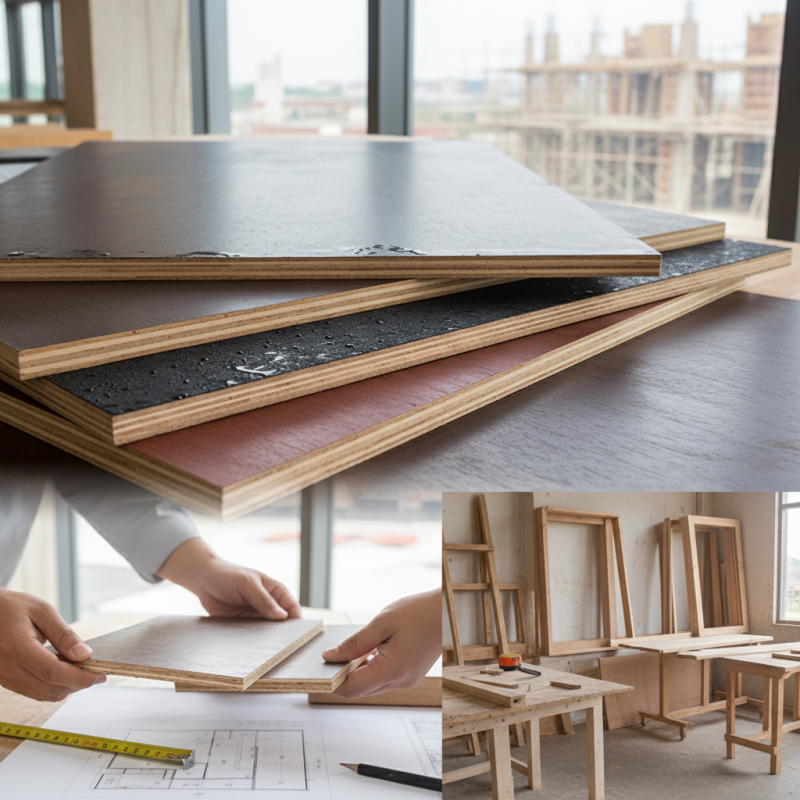
Film faced plywood is a versatile building material used mainly in construction and concrete formwork. It consists of a plywood core coated with a phenolic film. This film provides a water-resistant surface that helps protect the plywood from moisture and damage. According to industry reports, film faced plywood can withstand multiple pouring cycles, making it a cost-effective choice for construction projects.
In many applications, film faced plywood is favored for its durability and resistance to wear. It is commonly used in creating concrete formwork and for scaffolding because it offers a smooth finish and easy cleaning. Reports show that high-quality film faced plywood can reduce labor costs by up to 30%, since it is reusable and retains its structural integrity over time. However, not all film faced plywood is created equal, and potential buyers should carefully assess the specifications and quality factors.
Selecting the right grade of film faced plywood is crucial. Lower-grade products may show signs of delamination or deterioration sooner than expected. Industry experts recommend checking the weight, thickness, and number of plies to ensure you are making a reliable choice. A misunderstanding of these factors can lead to underperformance in your project.
| Dimension | Details |
|---|---|
| Definition | Film faced plywood is a type of plywood with a smooth surface covered by a phenolic film that enhances durability and moisture resistance. |
| Common Sizes | Typically available in 4'x8', 3'x6', and custom sizes. |
| Thickness Options | Common thicknesses range from 12mm to 21mm. |
| Applications | Used in construction, furniture making, flooring, and as formwork in concrete casting. |
| Key Benefits | Moisture resistance, durability, easy to clean, and reusable. |
| Considerations When Choosing | Consider the intended use, load capacity, environmental conditions, and budget. |
| Price Range | Prices typically range from $30 to $80 per sheet, depending on quality and thickness. |
When selecting film faced plywood, consider the thickness. Thickness can significantly affect durability. A standard thickness ranges from 15mm to 18mm. Thicker plywood typically offers better resistance to moisture and damage. According to industry reports, plywood with a thickness of 18mm has a higher load-bearing capacity, making it suitable for heavy-duty applications.
Surface finish is another critical factor. A high-quality film finish can enhance water resistance and reduce wear. Some studies show that plywood with a phenolic resin finish lasts longer in harsh conditions. This can be essential for construction projects exposed to the elements. Look for a smooth surface to minimize defects. A smooth finish can reduce the chances of splintering and improve overall aesthetics.
Finally, consider the grade of the plywood. Grades range from A to D, with A being the highest quality. An A-grade plywood will have fewer defects and provide a cleaner finish. According to data from the Plywood Association, using higher-grade plywood can lead to a 20% reduction in maintenance costs over time. Understanding these factors ensures that your choice aligns with the project requirements and longevity needs.
When selecting film faced plywood, understanding the types of film facings is crucial. Common options include phenolic film, melamine film, and polypropylene film. Each has unique characteristics suited for various applications. Phenolic film is durable, waterproof, and resistant to chemicals. This makes it ideal for construction and industrial uses. Reports show that phenolic-faced plywood has a lifespan exceeding 30 years when used properly.
Melamine film, on the other hand, offers good resistance to scratches and impacts. It is often used in furniture and decorative applications. While it's versatile, it does not withstand moisture as well as phenolic film. Polypropylene film is lightweight and resistant to UV rays. However, it may not provide the same level of durability and lifespan as the other two types.
Choosing the right film facing depends on your project needs. Consider factors such as environment, usage, and longevity. For instance, if your project involves high moisture environments, phenolic is a better option. It's essential to reflect on the balance between cost and performance when making your selection. This decision can significantly affect your project's success.
Choosing quality film faced plywood is crucial for any project. Evaluating the durability and features can save you time and money. Look for plywood with a smooth, even surface. This indicates higher quality construction. Check the thickness of the film. A thicker film generally offers better protection against moisture and damage.
Tips: Inspect the edges for signs of delamination. Poorly glued edges can lead to separation over time. Also, consider the weight of the plywood. Lighter panels may be easier to handle but might compromise strength.
Pay attention to the certifications. Plywood with reputable certifications ensures compliance with safety and environmental standards. Awareness of these details can guide your decision-making. Reflect on what type of project you’ll undertake. Will you need the plywood for heavy-duty use or light applications? Understanding your needs can lead to a more informed choice.
Choosing the right film faced plywood depends on your specific project needs. For construction applications, select plywood with a durable film surface. This ensures it can withstand moisture and heavy use. Consider choosing a higher thickness for increased strength where structural support is essential.
For decorative projects, aesthetics may take precedence. Here, a smooth and even film finish is key. Look for options that offer a variety of colors and textures to enhance your design. Keep in mind that a glossy finish can be appealing but may show imperfections more easily.
Projects exposed to extreme conditions require specialized plywood. Options with enhanced water resistance or UV protection should be prioritized. However, achieving the perfect balance between durability and aesthetics can be challenging. It often involves trade-offs, requiring thoughtful evaluation of project priorities. Consider how your choice impacts both functionality and visual appeal.


