Let’s discuss your container requirements
01708 225350
Call Us
sale@modularmarbles.com
Email Us

How to Choose the Best Small Shipping Containers for Your Needs?

When selecting the best small shipping containers, many factors come into play. These containers are highly versatile. They serve various purposes, from storage solutions to mobile offices. Their compact size makes them ideal for tight spaces, giving you flexibility. However, not every small shipping container is created equal.

Understanding your specific needs is crucial. Think about what you'll use them for. Consider the material, size, and condition of the containers. Refurbished containers can save costs but might require additional repairs. This exploration isn't always straightforward, and mistakes can happen. Sometimes, buyers overlook essential details, leading to regret later.

Evaluating the best small shipping containers involves more than just price. Look for reliability and durability. Research reputable suppliers and read reviews. Personal experiences shared by other users can guide your choices. The right small shipping container should meet your requirements and stand the test of time.

How to Choose the Best Small Shipping Containers for Your Needs?

Understanding Your Shipping Needs for Small Containers

When choosing small shipping containers, understanding your needs is crucial. Start by considering what items you plan to ship. Are they fragile, heavy, or oversized? This assessment will help determine the appropriate container type. For instance, sensitive items might require insulated containers, while heavier goods may need reinforced structures.

Next, think about the shipping method. Will you use land, sea, or air? Each mode has different requirements regarding dimensions and weight limits. Knowing these specifics can prevent complications. Look into container size options as well. A slightly larger container may offer better packing flexibility, while a snug fit reduces shifting during transport.

It's essential to consider your budget. Shipping costs can vary dramatically based on container size and material. If you are uncertain, consulting with logistics experts or local shipping providers can provide valuable insights. Consider the potential hidden costs, such as fees for customs or storage. Identifying these factors can lead to more informed decisions about your shipping solutions.

Types of Small Shipping Containers Available in the Market

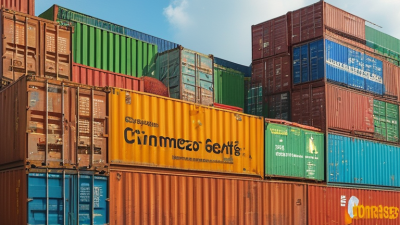
When selecting a small shipping container, understanding the types available is crucial. Generally, there are several types: standard, refrigerated, and modified containers. Standard containers, often used for storage, provide a simple and effective solution for general goods. Their versatility allows them to serve in various environments, like warehouses or backyards. However, they may not cater to perishable items.

Refrigerated containers are designed for temperature-sensitive shipping. They maintain a specific climate, making them perfect for food and pharmaceuticals. While these offer great protection, their higher cost can be a downside for some users. Additionally, understanding maintenance needs is essential.

Modified containers provide endless customization options. They can be converted into shops, offices, or even living spaces. This adaptability is appealing, but it also requires careful planning and investment in design. Choosing the right type often depends on specific needs and budget constraints. Balancing functionality with cost can be challenging but necessary for effective decision-making.

Comparison of Different Types of Small Shipping Containers

Factors to Consider When Choosing Small Shipping Containers

When selecting small shipping containers, several factors warrant careful consideration. Size is paramount. Standard dimensions often include 10-foot and 20-foot containers. Choosing the right size affects transport efficiency and storage capacity. The World Shipping Council reports that shipping utilizes over 50,000 containers daily in global trade. Such statistics highlight the need for an ideal fit to optimize logistics.

Condition is another critical aspect. New containers come with warranties, ensuring reliability during transport. However, used containers may offer cost savings but could require more maintenance. The Container Owners Association states that nearly 20% of containers are not adequately maintained, which can lead to issues with durability and safety. It’s vital to assess the structural integrity before making a commitment.

Lastly, pricing and delivery options play significant roles. Finding a balance between cost-effectiveness and quality is essential. Some reports indicate price fluctuations based on market demand, with costs increasing by approximately 15% during peak shipping seasons. Understanding market trends enables smarter choices. Buyers should be prepared to negotiate and seek reliable vendors for the best deals.

How to Choose the Best Small Shipping Containers for Your Needs?

Factor Description Importance Level (1-5)
Size Determine the internal dimensions based on your storage needs. 5
Material Choose between steel, aluminum, or fiberglass according to durability requirements. 4
Condition New or used containers will affect price and potential repairs. 3
Security Access control options like locks, alarms, or tracking systems. 5
Mobility Consider ease of transportation; trailer mounts or lift points can be useful. 3
Cost Budget constraints should dictate choice; include delivery and setup costs. 4
Resale Value Consider potential loss of value and market trends in container resale. 2

Evaluating the Cost and Budget for Small Shipping Solutions

When evaluating the cost for small shipping solutions, understanding the various factors is crucial. According to a report from the World Bank, shipping costs can represent up to 30% of trading expenses. Therefore, businesses must analyze their specific needs to avoid overspending. A basic 20-foot container may cost around $3,000 to $5,000, depending on the supplier and location. However, hidden fees such as delivery and handling can increase this cost significantly.

Moreover, consider the condition of the shipping containers. New containers are generally more expensive but offer reliable quality. Used containers may seem like a bargain initially, priced around $2,000 to $3,000. Yet, they often require maintenance and repairs, potentially increasing long-term costs. Research indicates that 20% of businesses faced higher than expected repair costs when opting for used containers. Assessing the balance of upfront cost versus potential maintenance expenses is essential.

Budgeting also involves understanding the transport and storage costs associated with these containers. Logistics play a pivotal role and can add 15% to 25% to overall expenses. Ultimately, having a clear budget will guide the decision-making process and help you choose a solution that fits both operational needs and financial constraints.

Tips for Finding Reliable Suppliers of Small Shipping Containers

Finding reliable suppliers for small shipping containers is crucial. Start by researching local vendors. Look for companies with positive reviews. Customer feedback often highlights the supplier's trustworthiness. Inspect their online presence. A well-maintained website can indicate professionalism and experience.

Visit trade shows or industry events. These gatherings provide opportunities to meet suppliers in person. Engaging directly allows you to ask questions and assess their knowledge. Build relationships with potential suppliers. A strong rapport can lead to better pricing and service down the road.

Consider the condition of the containers offered. New and used options are available. Inspect containers for rust, dents, or leaks. This assessment can save you from future headaches. Have a checklist of your specific needs. This list helps you communicate effectively with suppliers. Experts recommend ensuring clear contracts that detail quality and delivery terms. It’s easy to overlook these aspects when under pressure.

We are proud to support

Registered Company Name: Upminster Containers Limited. Registered Address: Mardyke Works, St Mary's Lane, Upminster, Essex RM14 3PA. Registered Company Number: 00940382
Developed & Maintained By Space Rocket Digital.
chevron-down