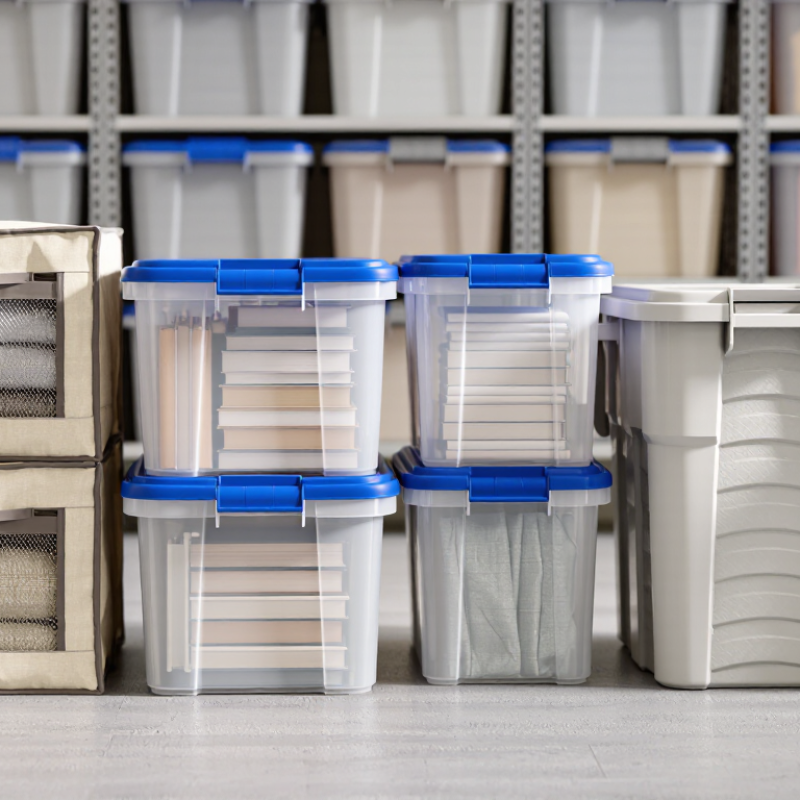
Choosing the best self storage containers starts with what you plan to store, how long it will remain packed, and where the unit will sit. A sturdy plastic tote may suit books, kitchen gear, or seasonal clothing, while breathable fabric bags can work for clean textiles in a dry space. Small details matter. A lid that snaps shut, handles that feel secure, and a shape that stacks neatly can make regular access much easier.
Before buying, measure shelves, doorways, and the space available in your storage unit. A container that looks roomy online may waste valuable floor space or prove awkward to carry when full. Check the manufacturer’s size and weight guidance, and consider clear sides if you want to identify contents without opening every box. For paper records, photographs, or other moisture-sensitive items, choose a dry, stable storage environment; no ordinary container can prevent damage in every condition. Not always. Marketing claims deserve a careful look, especially when a product promises complete protection from moisture or pests. The best choice depends on your belongings, budget, and storage conditions, rather than one universally perfect design. This guide compares common materials, sizes, closures, and useful features, while noting practical trade-offs. A little planning helps, though even careful packing can reveal a detail you missed.
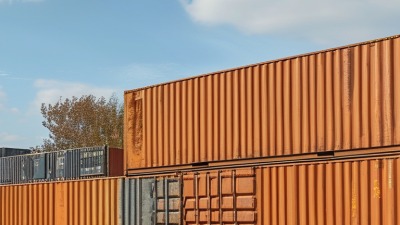
Self-storage containers are sturdy, enclosed units used to store household or business belongings. Some stay at a storage facility, while others are delivered to a property for temporary loading. Their steel walls and lockable doors help shield contents from casual access and ordinary weather. They are not automatically climate-controlled or fully waterproof, so the storage conditions matter.
The basic process is simple: choose a unit size, arrange access or delivery, then load items through the container doors. At a facility, staff may place the unit in a storage area; with a portable unit, a truck typically sets it on level ground. Check the door clearance, floor condition, and space needed for delivery before booking. A container’s listed dimensions can describe its exterior, and the usable interior may be smaller. I have seen people overlook that detail. It is an easy mistake.
Tips: Measure large furniture, leave a clear path to frequently used boxes, and keep heavy items low. Use pallets or moisture-resistant covers when damp floors or condensation are concerns. Ask how access, locks, and weather protection work at the specific site. Don’t assume. The small details can matter more than the container’s advertised size.
Compare common self-storage unit sizes by floor area to estimate how much space you may need.
How they work: You rent a unit, load it with your belongings, and access it according to the facility’s terms. Unit sizes are nominal and can vary; the areas shown are calculated from the listed length and width and do not account for ceiling height.
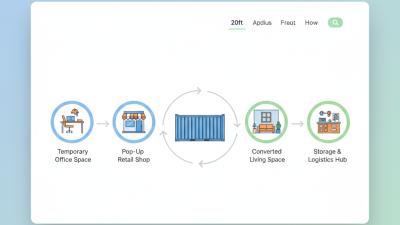
Self-storage options range from portable containers to rooms inside a storage facility. Portable steel containers are sturdy and weather-resistant, making them useful for renovations or short moves. Their heavy doors and raised floors help protect boxes from rain and ground moisture, but placement and delivery access matter. Wood-framed containers may feel less industrial, though their weather protection depends on construction and upkeep. For frequent visits, a drive-up unit offers easier loading: picture carrying a chair straight from the car, rather than down a hallway. Indoor units add building-level shelter. Climate-controlled spaces help limit temperature and humidity swings for wooden furniture, paper, and electronics, but they usually cost more.
The Self Storage Association’s 2024 Self-Storage Almanac estimates roughly 2 billion square feet of self-storage space in the United States. That scale reflects varied needs, not a single “best” container. A steel box can suit tools but may be a poor fit for delicate items in extreme heat. Container dimensions, ventilation, site security, and access hours deserve a close look. Even good advice has limits: local weather and how long items stay stored can change the right choice.
Tips: Measure your largest item and doorway before renting. Keep boxes off the floor, leave a narrow aisle, and use moisture-resistant covers where appropriate. Ask how the facility handles leaks and temperature control. Don’t pack every gap; that can make damage harder to spot.
The best self-storage containers match their materials to the items and conditions they will face. Clear plastic makes contents easy to identify, while opaque bins reduce light exposure. For paper, clothing, or keepsakes, choose a rigid container with a close-fitting lid. In damp spaces, moisture-resistant plastic is often more practical than untreated cardboard, which can soften or weaken. Still, plastic alone cannot prevent condensation if warm, damp items are sealed inside. No material is perfect.
Features matter, too. Reinforced corners and sturdy handles help when a full bin is lifted or stacked. A flat, stable lid reduces wobbling, but check the container’s stated stacking limits rather than guessing. Gasketed lids can help limit dust and moisture entry; they are not a guarantee against leaks. One easy oversight is choosing a bin that fits a shelf but cannot pass through the storage-room doorway.
Tips: Let items dry fully before packing. Add a simple contents label on the side, where it remains visible when bins are stacked. Keep heavier items in smaller containers, and avoid filling any bin so tightly that its lid bows. A quick test helps: lift it, check the closure, and reconsider if it feels awkward.
Choosing a storage container starts with the items, not the container. Measure the largest pieces, then check the space where they will sit. Leave room for lids, handles, and a clear path to anything you may need later. Measure twice.
Match the material to the storage conditions. Cardboard works for lightweight belongings in a dry indoor space, but it can soften if exposed to damp floors. Plastic bins resist splashes and are easy to wipe clean; however, sealing items while they are still damp can trap moisture. Let belongings dry fully, and use breathable packing for fabrics stored over long periods. For heavy tools or books, choose a container with a sturdy base and handles that feel secure when lifted.
Think about access and safe handling, too. Frequently used items belong in smaller containers near the front, while seasonal decorations can go farther back. Check the stated load limit, and avoid making a bin so heavy that lifting it strains your back. A common mistake is choosing the biggest size available. It seems efficient, but a half-filled container may shift, while an overfilled one can become awkward to move. Leave room. Sometimes the best fit is less convenient than expected, and that is worth reconsidering before packing.
Comparing Containers by Durability, Security, and Cost
The best container depends on what you store and how often you need access. Thick plastic bins resist splashes and are easy to carry, but lids can crack under heavy stacking. Metal containers usually handle rougher conditions better, though dents and rust may become concerns if moisture lingers. Check the corners, hinges, lid fit, and any seal before choosing. A sturdy-looking box is not always a secure one.
Tips: Match the container to its contents. Use a snug lid, label two sides, and keep heavier items low. Test the closure before stacking. Small checks help.
Security and price need a practical balance. A lockable latch can deter casual opening, but it does not make a lightweight container theft-proof. For valuable belongings, consider the storage facility’s access controls and whether your container can be kept out of easy view. Compare the full cost, including locks, delivery, and replacement if a container fails. Cheap bins may be fine for seasonal linens; tools or frequently moved items may justify a stronger option. I’ve found that buying the toughest container for every job can waste money—and choosing the cheapest can be a mistake. The right choice is rarely perfect.