Let’s discuss your container requirements
01708 225350
Call Us
sale@modularmarbles.com
Email Us

How to Choose the Right Shipping Container for Your Needs

When it comes to choosing the right shipping container for your needs, the decision can be both exciting and daunting. Shipping containers, once primarily used for transporting goods across oceans, have evolved into versatile solutions for various applications, from storage to innovative housing projects. With numerous options available on the market, understanding the key factors that influence your choice is essential for ensuring that your investment meets your specific requirements.

How to Choose the Right Shipping Container for Your Needs

Selecting the right shipping container involves considering a multitude of elements, such as size, condition, and purpose. Whether you are a business owner looking to expand your storage capabilities or an individual seeking a creative way to repurpose a container for personal use, these choices can significantly impact both functionality and cost.

In this article, we will explore the "Top 10" considerations to keep in mind when selecting a shipping container, providing you with a clear roadmap to make an informed decision that aligns with your needs and goals. By focusing on these essential criteria, you can navigate the options available and find the perfect shipping container that best suits your unique circumstances.

Determine Your Shipping Requirements: Size, Weight, and Cargo Type

When selecting the appropriate shipping container for your needs, the first step is to determine your shipping requirements, which prominently include size, weight, and cargo type. Understanding the dimensions of your goods is crucial; containers come in standard sizes, typically 10, 20, and 40 feet. You need to ensure that the chosen container not only fits your cargo but also leaves room for safe loading and unloading. Additionally, weight restrictions should be considered, as containers have maximum load limits that, if exceeded, could lead to safety hazards during transport.

Equally important is the type of cargo you intend to ship. Different materials and goods might require specific conditions, such as temperature control or added security. For example, perishable items necessitate refrigerated containers, while hazardous materials must be shipped in containers specifically designed to meet safety regulations. By accurately assessing these factors, you can select a shipping container that not only accommodates your requirements but also ensures the safety and integrity of your cargo throughout its journey.


Shipping Container Size and Weight Considerations

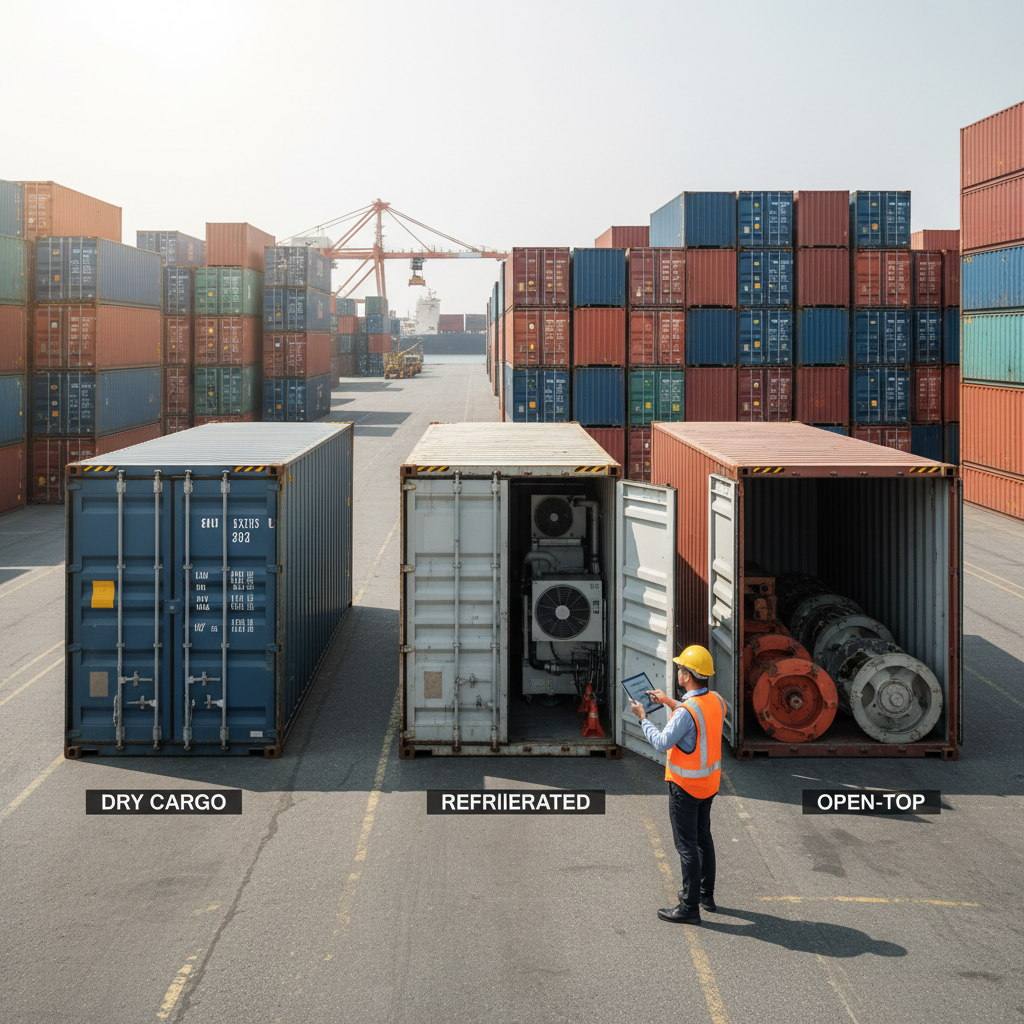
Evaluate Container Types: Standard, High Cube, Refrigerated, and Specialty Units

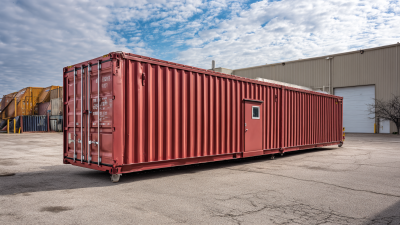
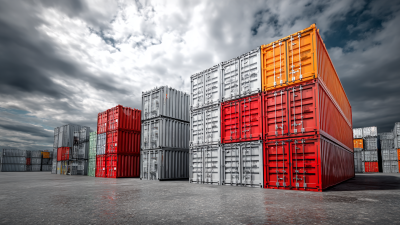
When selecting the right shipping container, it's essential to evaluate the different types available to match your specific needs. Standard containers are the most commonly used option, perfect for general cargo and offering a robust choice for various shipping requirements. Their dimensions typically measure 20 or 40 feet in length, providing ample space for bulk items. These containers are designed for durability and are suitable for domestic and international shipping.

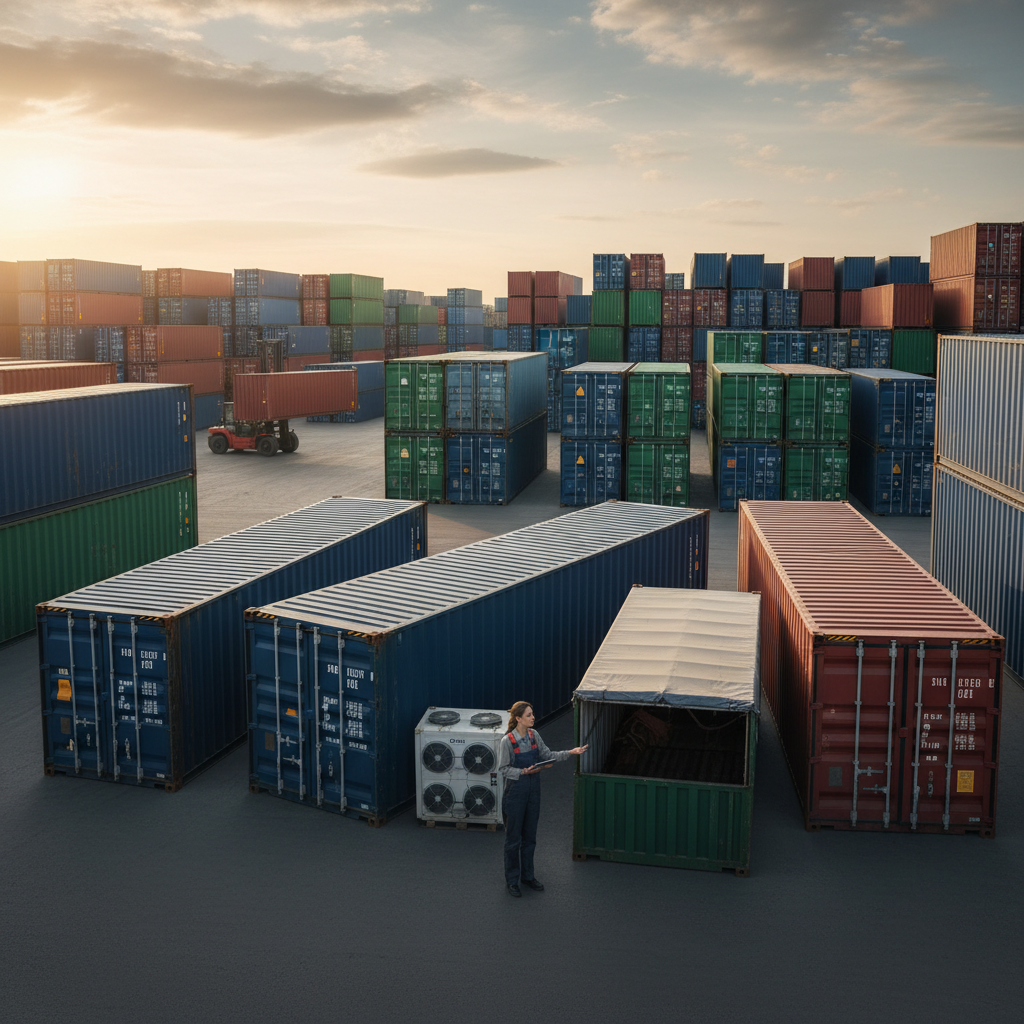
For those requiring more vertical space, high cube containers are an excellent alternative. These units are similar to standard containers but are one foot taller, allowing for increased storage capacity. Whether you're shipping oversized items or simply want to maximize your load, high cube containers offer flexibility without compromising on structural integrity. On the other hand, refrigerated containers, or reefers, are essential for transporting perishable goods. Equipped with refrigeration units, these containers maintain controlled temperatures to ensure the freshness of items like food and pharmaceuticals.

Lastly, specialty units cater to niche requirements. These include containers with adjustable shelving, open tops, or side doors, allowing for easy access or specific cargo allowances. Evaluating the unique features of each container type ensures that you choose the most suitable option for your logistical needs, optimizing both safety and efficiency in your shipping processes.

How to Choose the Right Shipping Container for Your Needs

Analyze Cost Factors: Purchase vs. Rental and Long-term Value Considerations

When considering whether to purchase or rent a shipping container, it's essential to analyze the cost factors involved in both options. Purchasing a container may provide long-term value, especially for businesses that require consistent storage or transport solutions. However, the upfront costs can be significant, and maintenance, storage, and potential depreciation are important aspects to consider.

On the other hand, renting a shipping container can offer flexibility and lower initial costs, making it a suitable option for short-term projects or businesses with fluctuating storage needs.

The global truck leasing market is on the rise, indicating a trend toward rental solutions in logistics. As the container leasing market grows, with projections estimating substantial increases in value, businesses may find that a rental approach aligns better with their financial strategies, particularly for those unable to justify the purchase of expensive containers outright.

Assess Quality Standards: ISO Certification and Condition Ratings for Containers

When selecting a shipping container, it’s crucial to assess its quality standards, particularly ISO certification and condition ratings. ISO-certified containers meet international standards for safety and reliability, ensuring that they are suitable for transportation. According to the International Organization for Standardization, over 95% of global shipping containers are ISO certified, which assures buyers of consistent quality and performance across the board.

Condition ratings play a pivotal role in determining the right container for your needs. Containers are typically rated from "New" to "Worn," with the 'CW' (Cargo Worthy) rating as a benchmark for those looking to ship goods. A study by Container xChange reveals that containers with a CW rating maintain a resale value approximately 15% higher than those rated as 'Worn'. This makes them a smart investment for long-term use.

Tips:
- Always check the ISO certification of a container to ensure you're maintaining compliance with shipping regulations.
- Consider seeking out a detailed inspection report from sellers to understand the condition rating better before purchasing a container.

How to Choose the Right Shipping Container for Your Needs

Container Type ISO Certification Condition Rating Size (ft) Typical Use
Standard Dry Container ISO 668, ISO 6346 W, C 20, 40 General Cargo
Open Top Container ISO 668, ISO 6346 W, C 20, 40 Heavy Equipment
Reefer Container ISO 668, ISO 6346 W, C 20, 40 Perishable Goods
Flat Rack Container ISO 668, ISO 6346 W, C 20, 40 Oversized Cargo
High Cube Container ISO 668, ISO 6346 W, C 40 Bulk Cargo

Review Market Trends: Demand Fluctuations and Availability of Containers in 2023

In 2023, the shipping container market has experienced significant fluctuations, driven by varying demand and availability. The growth trajectory of the global shipping container market remains robust, with the market size projected to increase from $16.28 billion in 2025 to $65.65 billion by 2032, reflecting a compound annual growth rate (CAGR) of 22.0%. However, the industry is currently facing challenges, with many shipping companies struggling to secure containers, leading to heightened prices and intense competition among operators. In the first half of the year, the container leasing average price remained high, highlighting a moment of scarcity where "one container is hard to find."

Amidst this scenario, industry experts observe a sudden shift, as increasing container production has resulted in a plethora of empty containers at Chinese ports. This drastic change raises important questions about future demand and pricing. Some analysts predict that container prices may continue to decline, painting a less optimistic picture for market demand. According to a report by Container X Change, while ship delivery rates are set to hit new highs, the industry must navigate the balance between supply and demand to mitigate the "waterfall effect" of capacity replacements which could further complicate the market landscape.

Tips: If you're considering investing in shipping containers, keep an eye on industry trends and fluctuations. Timing your purchase can significantly affect costs. Additionally, staying informed on regulatory changes and environmental factors may help you make more strategic choices regarding container selection and usage.

How to Choose the Right Shipping Container for Your Needs

We are proud to support

Registered Company Name: Upminster Containers Limited. Registered Address: Mardyke Works, St Mary's Lane, Upminster, Essex RM14 3PA. Registered Company Number: 00940382
Developed & Maintained By Space Rocket Digital.
chevron-down