The global housing crisis has prompted a search for innovative and sustainable solutions, with container conversions emerging as a promising answer. According to a report from the United Nations, the world is facing a shortage of approximately 1.6 billion housing units, severely impacting urban populations. This escalation in demand has driven developers to explore unconventional methods of construction, and container conversions have gained considerable attention due to their cost-effectiveness and adaptability.
Container conversions not only utilize recycled shipping containers, but they also promote sustainable living by minimizing waste and reducing the carbon footprint associated with traditional construction materials. A research study by the World Economic Forum indicates that repurposing existing materials can lead to a reduction in carbon emissions by up to 50%. This makes container conversions an attractive option for environmentally-conscious developers and homeowners alike, as well as a viable strategy for addressing the urgent need for affordable housing solutions.
Furthermore, the flexibility of design and modularity inherent in container conversions allows for rapid deployment in various settings, from urban areas to disaster relief situations. As cities continue to grapple with population growth and housing shortages, the potential of container conversions to deliver functional living spaces with a reduced environmental impact cannot be overlooked. This innovative approach is poised to reshape the future of housing, aligning with the broader goals of sustainability and resilience in our built environment.
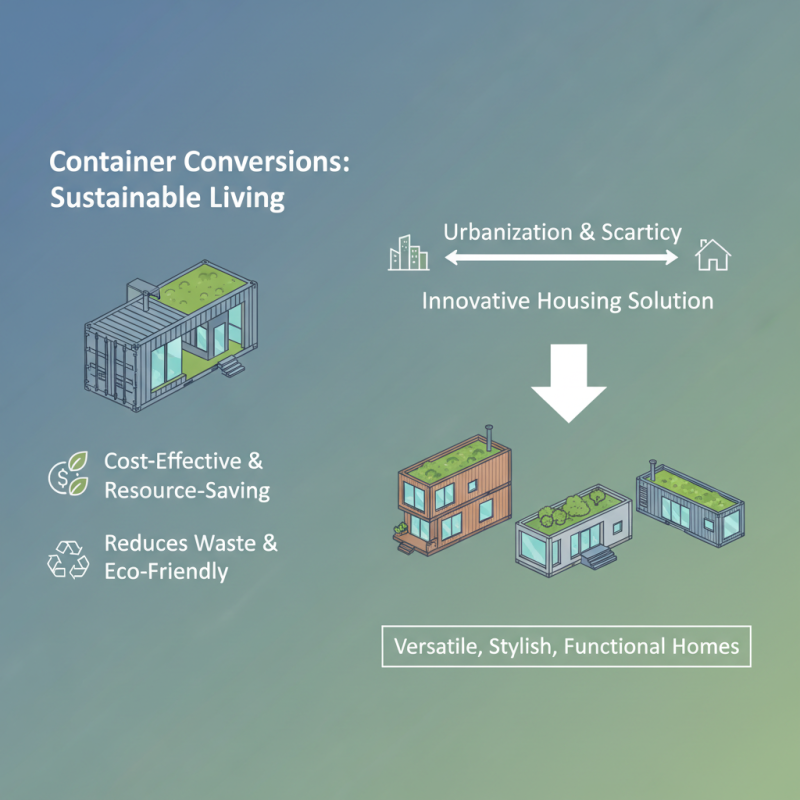
The rise of container conversions in modern housing solutions reflects a growing trend towards innovative and sustainable living. With urbanization accelerating and traditional housing options becoming increasingly scarce and expensive, shipping containers have emerged as a versatile solution. These repurposed containers can be transformed into stylish, functional homes that reduce waste and promote eco-friendliness. Not only are they cost-effective, but they also use fewer resources than conventional construction methods, making them an attractive alternative for those looking to minimize their environmental impact.
When contemplating a container home, here are a few tips to consider: First, research local zoning laws and building codes to ensure your project meets all regulations. Second, plan for insulation and ventilation, as containers can significantly heat up or cool down depending on the weather. Lastly, consider incorporating renewable energy sources, such as solar panels, to enhance the sustainability of your home.
As more individuals and communities recognize the benefits of container conversions, we may see a significant shift in how we approach housing. This innovative solution not only addresses the challenges of affordability and sustainability but also encourages a sense of creativity, allowing homeowners to tailor their designs to fit their unique lifestyles.

The use of shipping containers for housing presents a compelling case for sustainability. A primary environmental benefit is the significant reduction of waste; millions of containers sit unused each year, often deteriorating in shipping yards. Repurposing these containers minimizes landfill contributions and reduces the need for new building materials. This not only conserves resources but also decreases the carbon emissions associated with the production and transportation of traditional building supplies.
Furthermore, shipping container homes generally require less energy for heating and cooling compared to conventional structures. Their steel construction naturally provides excellent insulation, which can lead to reduced energy demand and lower utility costs over time. This energy efficiency further supports a sustainable lifestyle, making container homes an increasingly attractive alternative in urban settings where space is at a premium. By embracing this innovative approach to housing, we can significantly lessen our ecological footprint while addressing global housing shortages.
Container homes have emerged as a viable alternative to traditional housing, showcasing significant economic advantages that are difficult to overlook. According to a report from the International Organization for Migration, converting shipping containers into homes can reduce construction costs by up to 40%. This cost efficiency comes from the recycling of materials and the speed of assembly; container homes can often be built in a fraction of the time it takes to construct conventional houses. In a market where affordability is becoming increasingly critical, these savings are a compelling reason for many to consider container homes.
Additionally, the maintenance costs associated with container homes tend to be lower than those of traditional houses. Research from the National Association of Realtors suggests that container homes typically require less long-term upkeep due to their robust structure and durability. With minimal intervention required for repairs, owners can save thousands over the lifespan of the property. This economic advantage, combined with the eco-friendly nature of upcycling containers, positions container conversions as an attractive sustainable housing solution in an ever-challenging economic landscape. As municipalities continue to face housing shortages, the versatility and efficiency of container homes offer a promising path forward for affordable, sustainable living.
This chart illustrates the economic advantages of container homes compared to traditional housing. As shown, container homes significantly reduce both the average cost and construction time, making them a compelling solution for sustainable housing.
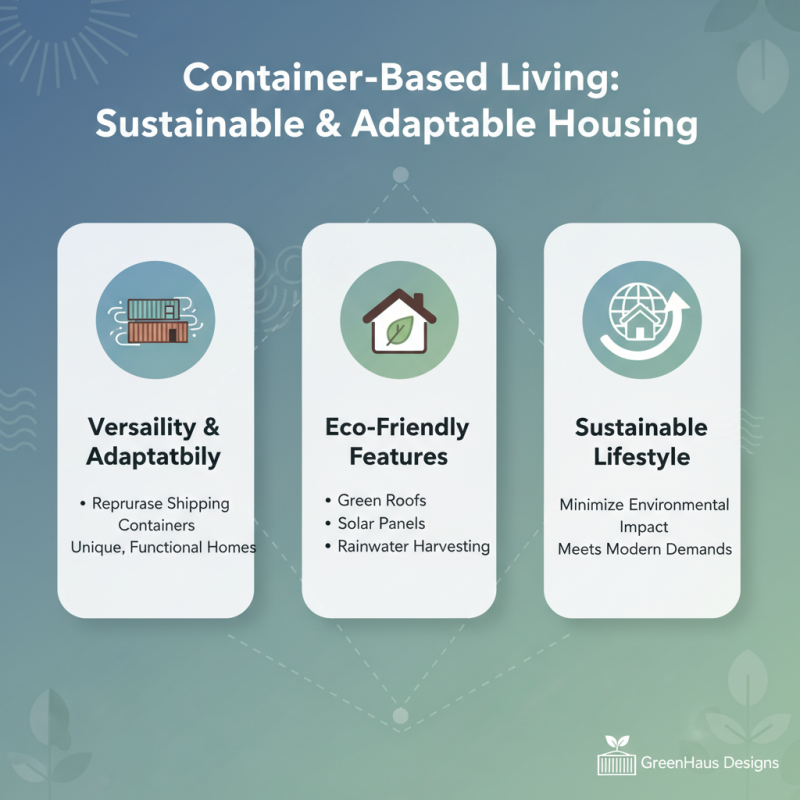
The innovative design potential of container-based living spaces lies in their versatility and adaptability, making them ideal candidates for sustainable housing solutions. By repurposing shipping containers, architects and designers can create unique, functional homes that meet the demands of modern living while minimizing environmental impacts. These structures can be easily modified to incorporate eco-friendly features, such as green roofs, solar panels, and rainwater harvesting systems, promoting a lifestyle that aligns with sustainability goals.
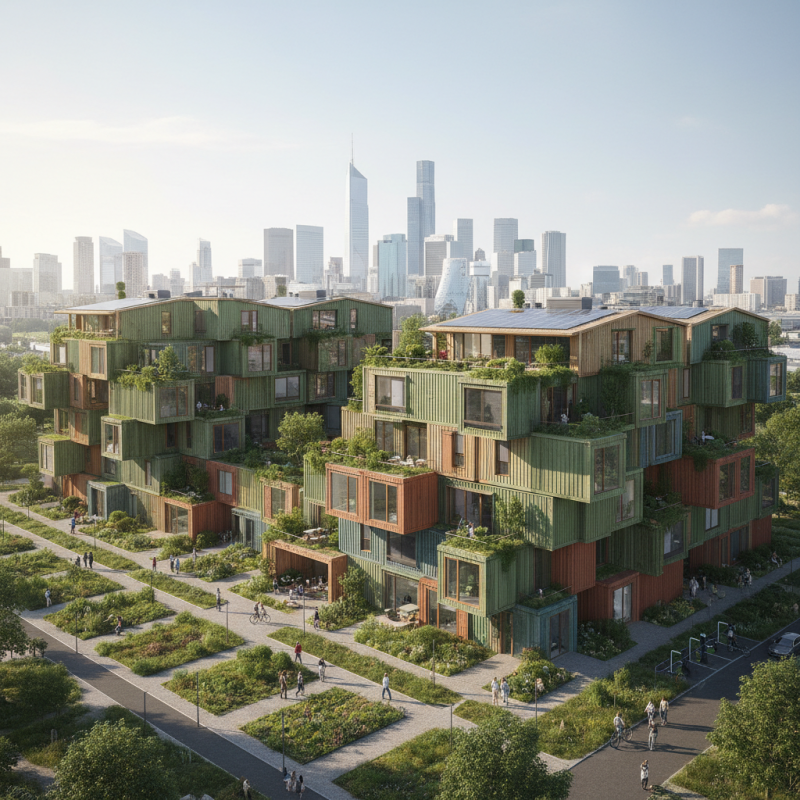
Moreover, container conversions allow for creative architectural expressions that challenge traditional housing concepts. Their modular nature supports a variety of configurations, from single-family homes to multi-unit dwellings, catering to diverse living needs. This adaptability not only enhances aesthetics but also fosters community development in urban areas, ensuring that housing is both affordable and appealing. The use of industrial materials can be combined with natural elements, offering a blend of functionality and visual interest that encourages innovative living solutions.
Container housing presents an innovative solution to the growing need for sustainable living spaces, yet it faces significant regulatory hurdles that need addressing to unlock its full potential. Local zoning laws often classify these structures as temporary or non-traditional dwellings, which can hinder their integration into established communities. Many municipalities have yet to adapt their building codes to accommodate the unique aspects of shipping containers, leading to challenges in obtaining necessary permits and licenses.
To navigate these regulatory challenges, collaboration between advocates for container housing and local governments is essential. Educating policymakers on the benefits of container homes—such as their eco-friendliness, affordability, and ability to be rapidly deployed—can foster a more conducive regulatory environment. Additionally, the development of standardized guidelines and best practices tailored to container housing can streamline the approval process, ensuring these innovative residences can contribute to sustainable urban development without compromising safety or livability.
By working together, stakeholders can create a framework that supports the growth of container housing while respecting community standards and regulations.