Let’s discuss your container requirements
01708 225350
Call Us
sale@modularmarbles.com
Email Us

How to Choose the Right Cantilever Rack?

Choosing the right Cantilever Rack starts with the loads, not the catalogue. Measure each item’s length, weight, and shape, then note how often staff retrieve it. Steel pipe, timber, and sheet goods all place different demands on rack arms. Small details matter.

A sound selection also considers arm capacity, column spacing, base length, and floor conditions. Check whether the stated capacity applies to each arm or the full rack. Then compare the layout with forklift reach, aisle width, and available building height. For outdoor storage, ask about corrosion protection and wind exposure. Measure twice.

Rack-design specialist Alex Morgan is a fictional illustrative expert; this original line is not a verified published quotation: “Choose the rack around the load and the handling method, not the other way around.” Treat that as a design prompt, not engineering approval. Exact requirements depend on the rack configuration and site conditions, and a common mistake is assuming every long item behaves alike. This guide will explain what to measure, how to compare rack features, and which questions to take to a qualified supplier or engineer before installation.
How to Choose the Right Cantilever Rack?

Understanding Cantilever Racks and Their Main Components

How to Choose the Right Cantilever Rack?

Understanding Cantilever Racks and Their Main Components

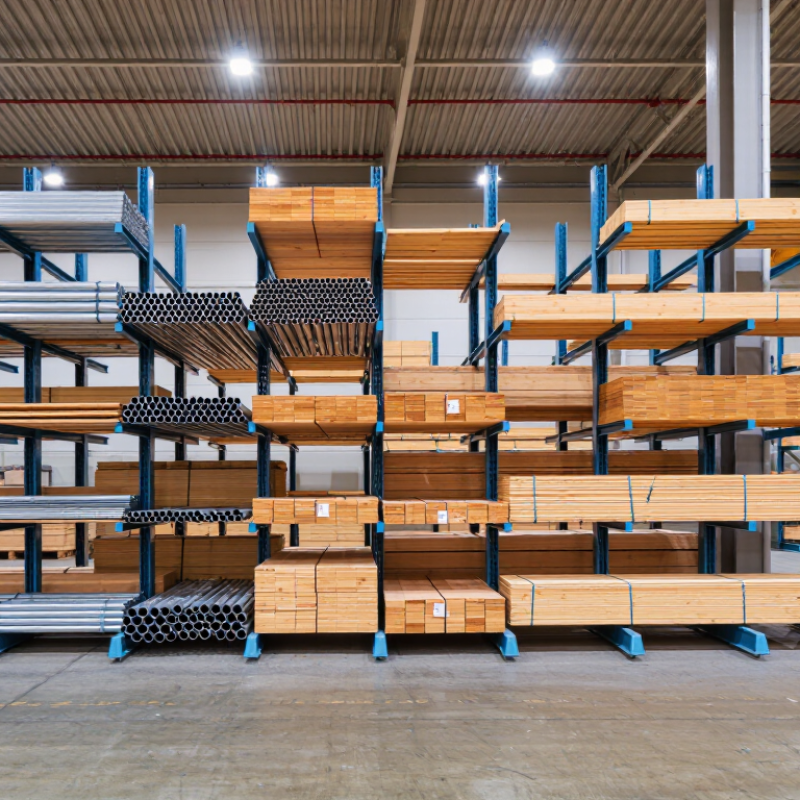
Cantilever racks store long, bulky items such as lumber, pipe, and metal stock. Their open fronts make loading easier when materials extend beyond a standard pallet. The main structure includes vertical columns, horizontal bases, diagonal braces, and projecting arms. Arms support the load; braces connect columns and help stabilize the frame. Some systems are single-sided, while others serve both sides of an aisle. The details matter.

Capacity depends on the rack’s design, arm spacing, and how weight is distributed. The Rack Manufacturers Institute’s ANSI MH16.1 standard covers the design, testing, and use of industrial steel storage racks. For a workplace safety reference, the U.S. Bureau of Labor Statistics reported 4.8 recordable injury and illness cases per 100 full-time workers in warehousing and storage in 2022. That figure is not specific to rack incidents, but it underlines why safe handling and stable storage deserve attention.

Tips: Measure the longest and heaviest items before choosing arm length and spacing. Check rated capacities for each arm and column, and confirm whether stated limits assume evenly distributed loads. Anchor and inspect the rack as its design requires. A small detail can be missed: unevenly placed stock may load one arm more heavily than expected. Verify the layout with a qualified rack professional before installation.

Assessing the Size, Weight, and Type of Stored Materials

How to Choose the Right Cantilever Rack?
Assessing the Size, Weight, and Type of Stored Materials

Start with the actual materials, not an idealized list. Measure their full length, width, and height, including packaging, straps, or protruding ends. A bundle of pipe may need more clearance than its stated length suggests. This part is easy to overlook. Note the heaviest typical load and the heaviest occasional one, then check how weight will be distributed across each arm and upright. Rack capacity depends on the specific configuration, so confirm ratings with the supplier or a qualified storage professional.

The material type also shapes the rack layout. Lumber, sheet goods, steel sections, and irregular components need different arm spacing and support. Long, flexible items may sag if supports are too far apart; narrow bundles can shift when arms are poorly matched to their width. Consider how forklifts or other handling equipment will approach the load, and leave practical room for safe placement and removal. It is tempting to size a rack for today’s stock alone. That shortcut can age badly. Still, oversizing every bay wastes floor space. Review how inventory changes seasonally, and test the layout against real load dimensions before installation. If weights or load positions vary, get the rack configuration and floor conditions professionally assessed.

Measuring Available Space and Evaluating Site Conditions

Measure the usable floor area, not just the empty rectangle on a plan. Note ceiling height, column spacing, door openings, and the turning space needed for forklifts. Record the longest and heaviest loads, including any overhang beyond the rack arms. A chalk line can still mislead. Check where sprinklers, lights, pipes, and electrical panels limit rack height or access.

Inspect the slab for cracks, slopes, and damaged joints before choosing a layout. Confirm the floor’s load capacity with a qualified professional; the rack itself is only part of the load. OSHA standard 29 CFR 1910.176(b) requires stored materials to remain stable and secure against sliding or collapse. MHI and Deloitte’s 2024 Annual Industry Report found that 55% of surveyed supply-chain professionals expected to adopt robotics and automation within five years. That shift makes it worth checking equipment turning paths and future access, not only today’s aisle width.

Tips: Mark proposed rack rows with tape, then walk and drive the actual handling route. Measure clearances with loads in place. Photograph obstructions and record floor defects before requesting a design review.

Selecting Rack Capacity, Configuration, and Materials

How to Choose the Right Cantilever Rack?

Selecting Rack Capacity, Configuration, and Materials

Size each arm for the heaviest load it will actually carry, not an average estimate. Include the weight of the product, packaging, and any bundled material. Check both arm capacity and total bay capacity; these are different limits. Load length and overhang also matter, since unevenly distributed bundles can twist or overload an arm. ANSI MH16.1 and Rack Manufacturers Institute engineering guidance provide useful reference points for steel storage rack design. Confirm the final layout and load ratings with a qualified rack designer.

Small loads deceive.

Configuration should match the way materials move through the building. Single-sided racks can sit against a wall, while double-sided rows serve longer stock from both sides. Measure aisle width with the actual forklift and load in mind. Long pipe may need more clearance when turning than a drawing suggests. The U.S. Bureau of Labor Statistics reported 4.8 recordable injury and illness cases per 100 full-time workers in the transportation and warehousing sector in 2022. That sector-wide figure does not prove racks cause injuries, but it underscores why access, visibility, and stable handling deserve attention.

For indoor use, painted structural steel is common; damp or exposed locations may call for galvanized steel or another corrosion-resistant finish. Inspect cut ends, welds, and contact points where coatings can wear. One detail that is easy to underestimate is future stock: a rack selected for today’s bundles may not fit tomorrow’s longer or heavier material. Leave room for verified changes, not guesswork.

Checking Safety Requirements and Installation Needs

Before choosing a cantilever rack, define the heaviest and longest items it will hold. Record each load’s weight, length, and usual storage position. Capacity depends on how weight is distributed across the arms and columns, not just the total rack rating. Check the supplier’s load charts, and ask a qualified rack designer to review unusual or concentrated loads. Small details matter.

The floor needs careful attention. Confirm its condition, thickness, and ability to support the rack and stored materials. Use the specified anchors, and have installers check that columns are plumb and connections are secure. An uneven slab can leave a rack out of alignment, even when the installation looks neat. I would not treat a quick visual check as proof that the structure is safe.

Plan the layout around real operating space. Measure aisle width, forklift turning paths, overhead clearance, and access to sprinklers or other building systems. Leave room for long items to be placed without striking nearby racks. A drawing can look workable while a loaded forklift cannot turn comfortably; that is an easy mistake to miss. After installation, verify clearances and inspect arms, braces, anchors, and visible damage on a regular schedule.

How to Choose the Right Cantilever Rack: Safety and Installation Checks

Use this checklist to compare site and load requirements before selecting a rack. Every item needs verification; the chart is not a rack rating or a substitute for an engineered design.

Confirm the heaviest and longest loads, required arm and upright capacities, available aisle and operating clearances, floor conditions, and anchorage needs. Follow the rack supplier’s engineered specifications and applicable workplace safety requirements.

We are proud to support

Registered Company Name: Upminster Containers Limited. Registered Address: Mardyke Works, St Mary's Lane, Upminster, Essex RM14 3PA. Registered Company Number: 00940382
Developed & Maintained By Space Rocket Digital.
chevron-down