Let’s discuss your container requirements
01708 225350
Call Us
sale@modularmarbles.com
Email Us

Top 10 Tips for Choosing Second Hand Shipping Containers for Your Needs?

Choosing second hand shipping containers can be a daunting task. They serve various purposes, from storage to housing. However, the right choice can make a significant difference.

Quality is a primary concern. Inspecting for rust and damage is crucial. Containers are often weathered and might need repairs. Consider your specific needs, such as size and structure. The purpose of the container matters greatly.

Pricing varies widely. It's essential to research the market to avoid overpaying. Sometimes, sellers may pitch what seems like a great deal. Yet, hidden costs may arise later. Be prepared to negotiate and ask many questions. A poorly chosen container can lead to regrets down the line.

Top 10 Tips for Choosing Second Hand Shipping Containers for Your Needs?

Understanding Your Container Needs: Assessing Size and Usage

Top 10 Tips for Choosing Second Hand Shipping Containers for Your Needs?

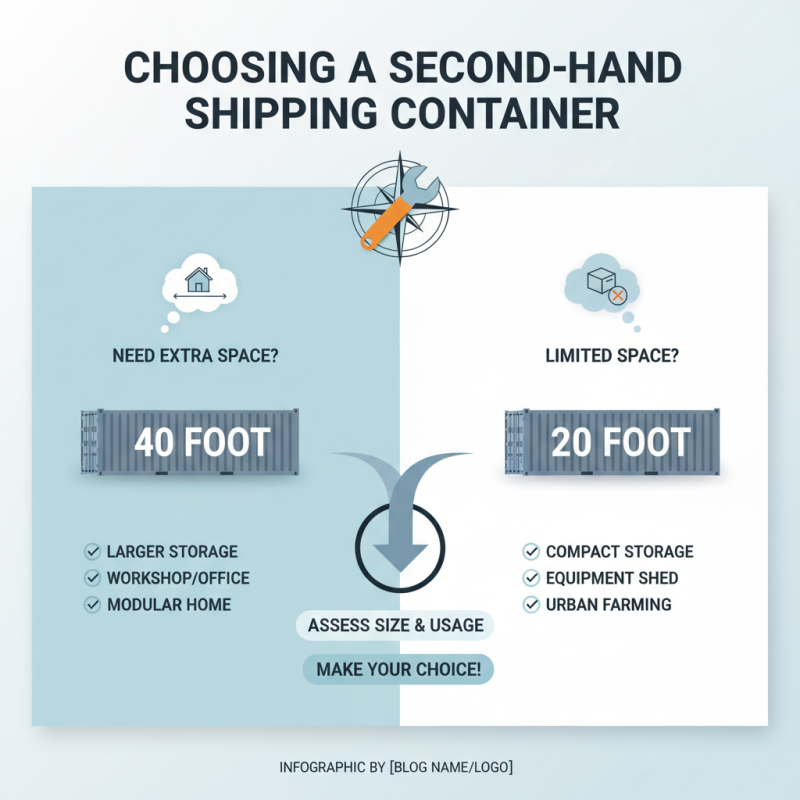
When choosing a second-hand shipping container, understanding your needs is crucial. Assessing both size and intended usage will help narrow down options. Do you need extra space? Consider a 40-foot container. If you have limited space, a 20-foot unit might suffice.

Carefully analyze how you plan to use the container. Will it be for storage, office space, or perhaps a workshop? Each function may require different features. It's essential to visualize your project. A simple office may only need windows and insulation, while a workshop might need power supply access.

Here are some tips: Check for rust and structural integrity. Look for signs of damage, as repairs can be costly. Also, consider ventilation options if storing sensitive items. Don’t rush into a purchase, especially if you’re on a budget. Take time to compare containers and inspect them yourself. A little extra patience can save you from future regrets.


Evaluating Container Types: Standard vs. Custom Designs and Their Benefits

When choosing second-hand shipping containers, it's essential to evaluate the types available. Standard containers are versatile and widely used. They come in standard sizes, making them easy to transport. This simplicity often means lower prices. However, they may lack specific features tailored to your needs. If you’re looking for unique modifications or extra space, you might find standard containers limiting.

Custom-designed containers offer great flexibility. You can modify them to fit specific requirements, such as additional windows or reinforced walls. This means you can create a functional space for various purposes, from storage to portable offices. However, customization can be more costly. It might also take longer to process your requests. You'll need to weigh these aspects carefully.

Assessing your intended use is crucial. Consider factors like climate and intended contents. For example, if you plan to store sensitive goods, insulation becomes vital. Evaluating these needs helps prevent potential issues later. Think about whether you need a quick solution or if you can afford a longer wait for customizations. Sometimes, going for standard options can be a great compromise, while other times, a customized solution might be the best path forward.

Top 10 Tips for Choosing Second Hand Shipping Containers for Your Needs

Tip # Tip Description Container Type Benefits
1 Determine the purpose of the container. Standard Cost-effective for storage.
2 Inspect for damage and rust. Standard Ensures longevity and safety.
3 Consider your size requirements. Custom Optimizes space usage.
4 Check for proper ventilation. Standard Prevents mold and condensation.
5 Assess portability needs. Standard Easy to move if needed.
6 Explore customization options. Custom Meets specific functional requirements.
7 Evaluate insulation needs. Custom Improves temperature control.
8 Review safety features. Standard Enhances security and compliance.
9 Consider aesthetic aspects for public use. Custom Improves the overall appearance.
10 Compare costs and budget accordingly. Both Ensures affordability.

Inspecting Condition and Quality: Key Factors for Longevity and Safety

Top 10 Tips for Choosing Second Hand Shipping Containers for Your Needs?

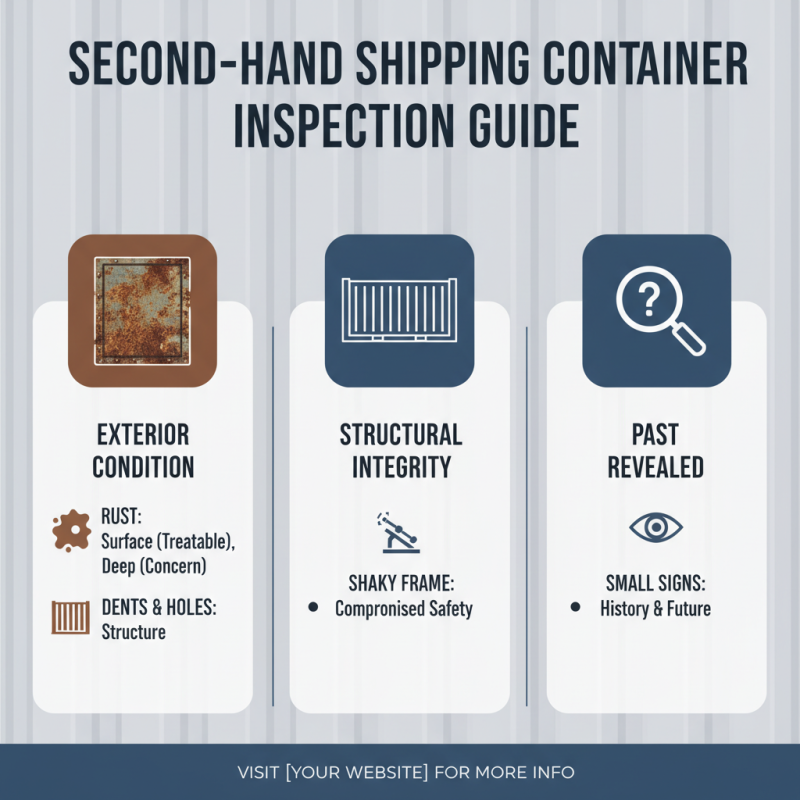
When choosing a second-hand shipping container, inspecting its condition is crucial. Look for rust, dents, and holes. Surface rust can be treated, but deeper corrosion might signal bigger issues. The container's structure should remain intact. A shaky frame could mean compromised integrity, affecting safety. Small signs can reveal a lot about its past.

Quality matters as well. Examine the seals and doors for functionality. Check if they open and close smoothly. Containers that have been maintained usually show less wear. Look for signs of previous use, like markings or interior stains. These details can hint at how it was used and stored.

Remember, not all containers are equal. A great-looking container outside may hide internal problems. Think about what you need it for. Will it protect your items from the elements? It's easy to overlook hidden issues in a hurry. Take your time and ask questions. Thorough inspection helps avoid future regrets.

Cost Analysis: Balancing Budget with Container Features and Origin

When considering second-hand shipping containers, budget constraints often top the list of concerns. A 2022 report by IBISWorld shows that prices typically range from $2,000 to $5,000 depending on size and condition. Thus, analyzing features such as insulation or ventilation can significantly affect the total cost. Sometimes, paying a little extra for better features can save you money on modifications later.

Choosing a container's origin also plays a role in cost. Containers from regions with harsh weather could show more wear. This might influence maintenance costs over time. Research shows that containers from mild climates often outlast those from harsher environments. So, weigh the upfront cost against potential future expenses carefully.

Tip: Inspect the container in person if you can. Photos can be misleading. Also, consider what you'll use the container for. A simple storage solution may not need a high-end model. However, if you intend to convert it into a workspace, investing in quality becomes essential. Always negotiate the price based on your findings.

Cost Analysis: Balancing Budget with Container Features and Origin

Sourcing and Logistics: Tips for Finding Reliable Suppliers and Delivery Options

When sourcing second-hand shipping containers, finding reliable suppliers is crucial. One effective method is to check online marketplaces. Many suppliers list their containers there. However, be wary of photos that seem too perfect. Sometimes, they don’t reflect the actual condition. Look for recent reviews or feedback from previous buyers.

Delivery options can be tricky as well. Confirm what type of delivery service the supplier offers. Some might include drop-off fees in their quotes, while others might not. Ask about their logistics partners and how they handle delays. It's important to be on the same page about timelines.

Be sure to inspect containers in person when possible. Look for rust, dents, or leaks. An inspection can reveal hidden issues. Sometimes, a container may look fine outside but needs repairs inside. Gaining insight into a supplier's return policy is also wise. Not all policies are fair, and being aware can save you frustration down the line.

We are proud to support

Registered Company Name: Upminster Containers Limited. Registered Address: Mardyke Works, St Mary's Lane, Upminster, Essex RM14 3PA. Registered Company Number: 00940382
Developed & Maintained By Space Rocket Digital.
chevron-down