
An entrance does more than mark the way inside. It shapes a home’s first impression, welcomes visitors, and helps protect the rooms beyond. The right Entrance Front Door can also bring daylight into a dim hallway or add warmth to a plain exterior. Small details matter. Think of a dark timber finish against pale brick, a slim glass panel beside the door, or a simple handle that feels comfortable in your hand. Each choice changes the look and everyday use of the entry.
This guide explores ten front door designs suited to modern homes, from clean-lined timber to bold colors and carefully placed glazing. It considers appearance alongside practical details, including privacy, insulation, durability, and the local weather. A large glass panel may brighten an entry, for example, but it can reduce privacy unless paired with textured or obscured glass. Materials need care, too. Some finishes show fingerprints or weathering sooner than expected. No option is perfect. That is worth remembering. Use these ideas as a starting point, then compare them with your home’s architecture, budget, and maintenance needs. A good door should look inviting, feel secure, and work well long after the first glance.
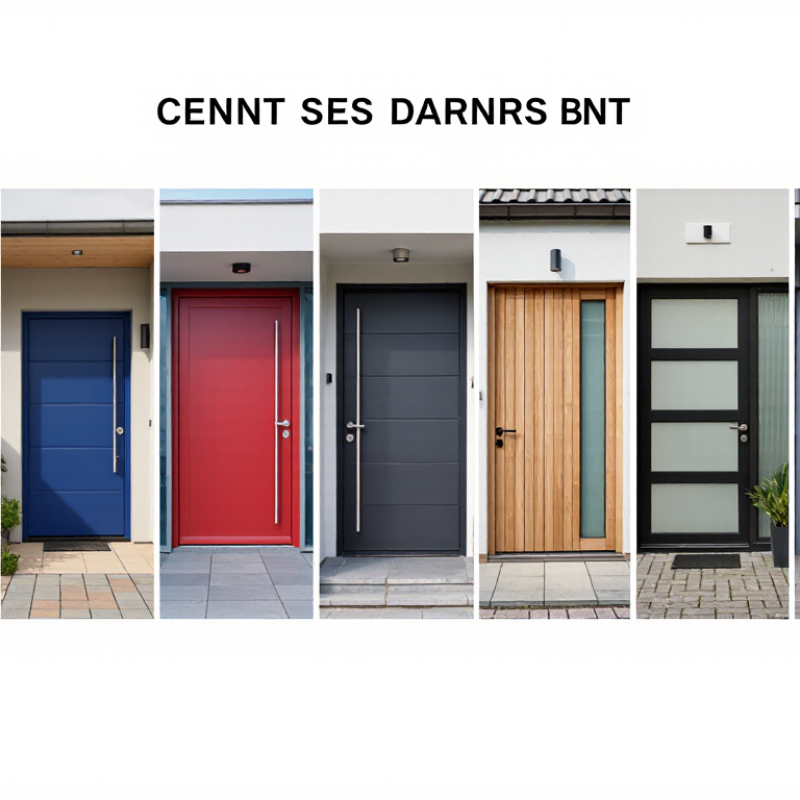
A modern front door should suit the weather as well as the façade. In cold or windy areas, check the door’s U-factor, weatherstripping, and threshold fit; in hot, sunny climates, consider solar heat gain and direct afternoon exposure. The U.S. Department of Energy’s Energy Saver guidance says air leakage can account for 5% to 30% of a home’s energy use. That estimate covers the whole home, not doors alone, but a draft at the sill is a useful warning. NFRC label ratings can help compare products. So can a careful site measurement.
Security deserves more than a heavy-looking slab. The FBI reported 847,522 burglary offenses in the United States in 2022; the figure includes residential and nonresidential properties, and does not show how offenders entered. Still, it supports checking the complete entry system: frame anchoring, lock alignment, and visible damage around the jamb. A narrow glass panel may bring daylight, yet it can reduce privacy near a busy walkway. Frosted glazing or a higher window can preserve light without exposing the foyer.
Tips: Match the finish to sun and rain exposure. Test the latch after installation. Check the seal on a windy day. A beautiful door that sticks each winter is not quite a success—and that detail is easy to overlook.
Compare popular entrance-door designs by appearance and practical considerations. Performance depends on the complete door assembly, installation, glazing, seals, and hardware—not appearance alone.
| # | Door Design | Style and Light | Climate Considerations | Security Considerations | Privacy | Best For |
|---|---|---|---|---|---|---|
| 1 | Minimalist Flush Panel | A smooth, uninterrupted face creates a clean modern entrance; available with or without glazing. | Choose a well-sealed, insulated assembly suited to local temperature and weather conditions. | A solid slab can limit visibility, but a strong frame, quality lock, and secure installation are essential. | High when fitted without glass; lower with clear glazing. | Homes seeking a simple, understated entrance. |
| 2 | Vertical-Slat or Ribbed Door | Vertical lines add texture and visual height; the slats may be decorative or part of the door surface. | For exposed locations, use materials and finishes rated for local moisture, sun, and temperature changes. | Confirm that decorative elements do not weaken the door or interfere with the lock and frame. | Usually high when the door has no glass. | Modern façades that need texture without added glazing. |
| 3 | Door with Narrow Vertical Glass | A slim glazed panel brings daylight into the entry while keeping the overall look restrained. | Use suitable insulated glazing and weather seals; consider solar exposure and heat transfer. | For glass near the lock, consider security glazing and a layout that makes the lock difficult to reach from outside. | Frosted or textured glass offers more privacy than clear glass. | Entryways that need daylight with limited visual openness. |
| 4 | Door with Transom | A glazed panel above the door adds light and emphasizes ceiling height. | Ensure the door and transom are properly flashed and sealed against rain and drafts. | Specify secure glazing and a securely fixed frame for the transom area. | Clear transoms may reveal interior light or movement; obscured glass can reduce this. | Tall entrances and homes that benefit from natural light above eye level. |
| 5 | Door with Sidelights | One or two glazed panels beside the door create a brighter, more open entrance. | Check the full assembly for insulation and air leakage, including the junctions between panels. | Use appropriate secure glazing, strong framing, and carefully positioned locks. | Privacy depends on glass type, window coverings, and the entry’s sightlines. | Wider entrances where daylight and a welcoming appearance are priorities. |
| 6 | Warm-Toned Wood Door | Natural grain adds warmth and contrast to contemporary materials such as stone, concrete, or metal. | Wood can respond to moisture and temperature changes; choose suitable construction and maintain its protective finish. | Security depends on the door’s construction, frame, hardware, and installation rather than wood appearance alone. | High when designed as a solid, unglazed door. | Modern homes seeking a natural focal point at the entrance. |
| 7 | Steel-Look Modern Door | Clean lines and slim-framed glazing create an industrial or contemporary look. | Check thermal performance, condensation control, and corrosion protection for the local climate. | Frame strength and glazing specification matter; a slim appearance alone does not indicate security performance. | Clear glass offers little privacy; choose obscured glazing or suitable coverings where needed. | Homes that want a crisp, architectural entrance and generous daylight. |
| 8 | Fiberglass Door with Modern Panels | Can provide a smooth, wood-grain, or paneled appearance in a range of contemporary designs. | Many models are designed to resist common weather-related wear, but ratings and care requirements vary by product. | Look for a complete assembly with a secure frame and compatible, properly installed locking hardware. | Solid versions provide strong visual privacy; glazing options change the level of privacy. | Owners looking for design flexibility and comparatively low routine upkeep. |
| 9 | Double Entry Doors | Two matching door leaves create a balanced, formal entrance and a wider opening. | More joints and meeting edges require careful weatherstripping and installation. | Both leaves need secure, well-fitted locking and fastening; pay particular attention to the inactive leaf. | High with solid leaves; glazing and sidelights may reduce privacy. | Large façades or entrances where a wide opening is useful. |
| 10 | Pivot-Style Door | A large, dramatic slab rotates on pivot hardware and can create a distinctive modern entrance. | Large doors can be more exposed to air leakage and weather; confirm suitable seals and local performance ratings. | Use hardware and locking designed for the door’s size and weight, and verify that the complete assembly meets local requirements. | High with a solid slab; glazing changes sightlines and privacy. | Architectural entrances where scale and a statement-making design are priorities. |


