A room’s ceiling fixture affects more than brightness. It shapes how the space feels, how evenly light reaches its surfaces, and how comfortable everyday tasks become. A Surface Mounted Light attaches directly to the ceiling, making it a practical option when recessed installation is unsuitable or ceiling access is limited. Its visible body can also become part of the room’s design.
The category includes many forms, from simple flush-mount fixtures to adjustable spotlights, track systems, and decorative designs. Each serves different needs. A low-profile fixture may suit a hallway with limited clearance, while a directional model can highlight a reading chair or artwork. Small details matter: beam angle, color temperature, dimming compatibility, and fixture size can change the result more than a product photo suggests. Looks are not enough.
This guide explores ten common surface-mounted light types and explains where each may work best. It also considers practical factors such as ceiling height, room function, light distribution, and ease of maintenance. No single fixture is right for every room, and product labels do not always make comparisons simple. That deserves a second look. Use the overview as a starting point, then check specifications and installation requirements before choosing a fixture for your space.
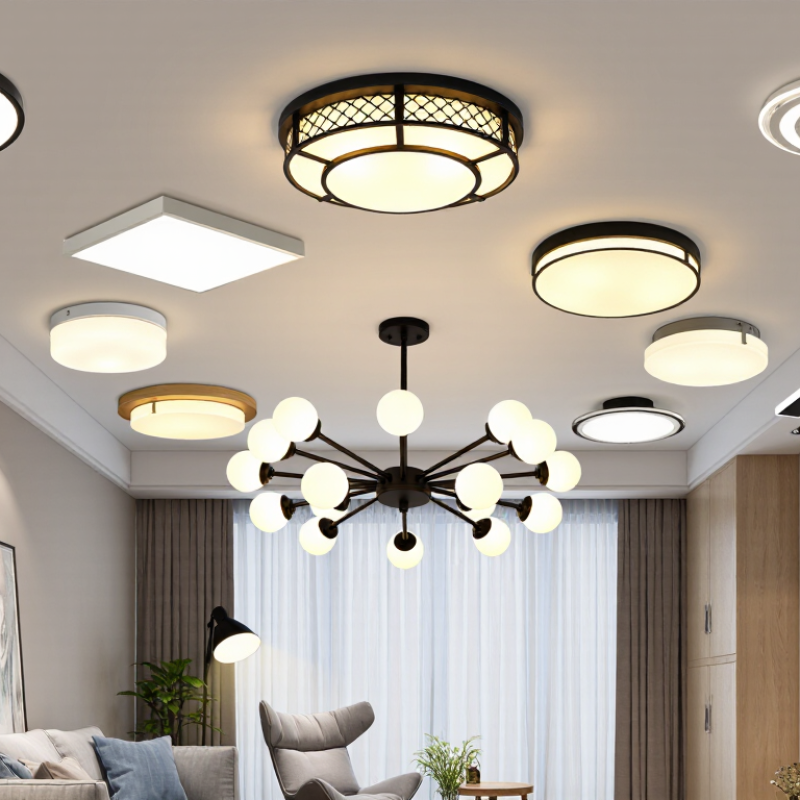
What Are the Top 10 Surface Mounted Light Types?
Surface-mounted lights attach to a ceiling or wall rather than sitting inside a recessed cavity. Their base covers a junction box, while the lamp or LED module directs light through a shade, lens, or open fixture. Installation is often practical in concrete ceilings, shallow cavities, and rooms where cutting into the ceiling is not suitable. The fixture still needs a correctly placed electrical box and secure support. That matters.
The category includes flush mounts, semi-flush fixtures, surface panels, drum lights, bulkhead lights, wall sconces, spotlights, track-mounted heads, linear strips, and adjustable task lights. They do not all distribute light the same way. A frosted panel spreads light broadly, while a spotlight creates a brighter pool on a countertop or artwork. Check the fixture’s size, light output, color temperature, and dimmer compatibility before choosing. Small detail. A large shade may look balanced in a showroom but feel crowded above a narrow hallway. For wet or damp areas, check the fixture’s rating and follow local installation requirements; a qualified electrician can assess wiring and mounting support.
Flush-mount fixtures sit close to the ceiling, making them useful in low rooms and narrow hallways. Semi-flush models hang slightly lower, allowing light to spread around the canopy. Drum lights soften glare with fabric or opaque shades; check that the material suits the room’s cleaning needs. Globe fixtures create broad, even light, though clear glass can reveal dust quickly. Disk lights offer a slim profile for modern ceilings and shallow spaces. Simple and neat.
Linear surface lights work well above kitchen counters, workbenches, or long corridors because their output follows the room’s shape. Wraparound fixtures use a diffusing cover, a practical choice for utility rooms where softer light is wanted. Track lights attach to a ceiling-mounted rail and let users aim individual heads at art, shelves, or task areas. Surface-mounted LED panels provide broad illumination in offices or garages, but overly bright panels can feel flat. Bulkhead lights have sturdy housings and suit covered entries or stairwells; confirm the fixture’s damp-location rating before installation.
Looks can mislead. A neat specification does not guarantee comfort; ceiling height, beam direction, and wall color can change the result. Before choosing, consider where people will read, work, or walk, then check the fixture’s light output and mounting requirements.
Flush-mount fixtures sit close to the ceiling, making them useful in rooms with limited headroom. Semi-flush lights hang slightly lower and cast light around the ceiling as well as downward. Drum shades soften glare, while globe designs spread light more evenly. Lantern-style fixtures add visible structure, though their open frames can collect dust. LED disk lights offer a slim profile and broad, practical illumination. These types may look similar from below, but their shade shape and light direction change the feel of a room.
Tips: Check ceiling height, room size, and the fixture’s stated light output before choosing. A bright, clear diffuser can work well in a kitchen; a fabric drum may feel gentler in a bedroom. Appearance is easy to overvalue. I’d also consider how simple the fixture will be to clean and maintain.
Surface-mounted panels distribute light across a wide area, which can suit workspaces. Linear fixtures create a longer pool of light over counters or tables. Directional spotlights focus beams on specific areas, but can leave dim patches elsewhere. Multi-head fixtures let you aim several lights independently, useful for highlighting shelves or artwork. Lanterns, spots, and multi-head designs can create visual interest, yet they may not provide comfortable general lighting alone. Mixing function with style takes a little testing.
Surface-mounted lights suit rooms where recessed installation is impractical or unwanted. Flush-mount fixtures sit close to the ceiling, making them useful in bedrooms, closets, and low-ceiling hallways. Semi-flush fixtures hang slightly lower and add a decorative touch in entryways or dining areas with more headroom. Round LED disk lights offer a slim profile for kitchens, laundry rooms, and renovated spaces.
Some types spread light across wider areas. LED panels work well in home offices and classrooms, where even illumination helps reduce harsh shadows. Wraparound fixtures are common in garages, workshops, and utility rooms; their broad diffusers soften the light. Linear battens can illuminate kitchen counters, corridors, or workbenches. Measure the area first. A fixture that looks adequate in a showroom may leave a long workbench dim.
Other designs serve more specific settings. Bulkhead lights, when rated for the conditions, can suit covered porches, stairwells, and utility areas. Canopy lights are designed for covered outdoor ceilings, such as porch overhangs. Surface-mounted spotlights help direct attention toward artwork or a reading chair. Track systems provide adjustable heads for galleries, kitchens, or retail displays. High-bay fixtures are intended for tall ceilings in warehouses and large workshops, not ordinary rooms. Check mounting height, light output, and damp-location ratings before choosing. Even a technically suitable fixture can feel too stark. A warm color temperature may help, but personal preference matters.
| Surface-Mounted Light Type | Typical Design | Common Applications | Typical Light Distribution | Practical Considerations |
|---|---|---|---|---|
| Flush-Mount Ceiling Light | A compact fixture attached directly to the ceiling, often with a diffuser or enclosed shade. | Bedrooms, hallways, closets, laundry rooms, and rooms with low ceilings. | Broad, general illumination directed downward. | Its close-to-ceiling profile helps preserve headroom. Choose a suitable output and diffuser for the room size and task needs. |
| Semi-Flush-Mount Ceiling Light | A ceiling-mounted fixture with a short stem or gap between the body and ceiling. | Dining areas, bedrooms, entryways, and living rooms with moderate ceiling height. | Downward light, often with some light spreading upward around the fixture. | Provides more visual presence than a flush mount while remaining closer to the ceiling than a pendant or chandelier. |
| Surface-Mounted LED Panel | A thin, flat panel fitted to the ceiling surface, commonly with a broad luminous face. | Offices, classrooms, kitchens, corridors, and other spaces requiring even general lighting. | Wide, relatively uniform illumination. | Check panel dimensions, mounting compatibility, dimming requirements, and glare control before installation. |
| Surface-Mounted Linear Light | An elongated fixture with one or more linear light sources in a housing. | Workshops, garages, kitchens, offices, corridors, and utility rooms. | Broad linear distribution along the fixture’s length. | Fixture length and placement affect coverage; align it with work areas or circulation routes for effective illumination. |
| Surface-Mounted Batten Light | A narrow, elongated housing designed to mount directly to a ceiling or wall. | Garages, storage rooms, basements, service areas, and back-of-house spaces. | General downward or outward light, depending on lens and mounting orientation. | Often selected for practical, functional lighting. Consider the environment, required brightness, and ease of maintenance. |
| Surface-Mounted Track Light | A track fixed to the ceiling with adjustable heads attached along its length. | Retail displays, galleries, kitchens, studios, and areas where highlighting or repositioning is useful. | Directional, adjustable beams that can provide accent or task lighting. | Head position and beam angle determine what is illuminated. Confirm that the track system and heads are compatible. |
| Surface-Mounted Spotlight | A fixed or adjustable compact head mounted directly to a ceiling or wall. | Display walls, artwork, kitchen work zones, entrances, and focused task areas. | Focused directional light, with beam spread depending on the optic. | Adjustable versions allow aiming. Use appropriate placement to reduce unwanted glare and harsh shadows. |
| Surface-Mounted Downlight | A compact cylindrical or shallow fixture that sits on the ceiling rather than being recessed. | Homes, corridors, retail spaces, and locations where a recessed ceiling installation is not practical. | Primarily downward light, ranging from narrow to wide beam spreads. | Useful with solid ceilings or limited ceiling cavities. Check mounting clearance and the intended beam angle. |
| Surface-Mounted Bulkhead Light | A robust, enclosed fixture, often round or oval, designed for ceiling or wall mounting. | Stairwells, garages, covered entrances, utility areas, and some outdoor locations. | Broad, usually diffused illumination. | For damp or outdoor locations, verify the fixture’s stated environmental rating and install it in an appropriate location. |
| Surface-Mounted Decorative Ceiling Light | A ceiling-attached fixture with a distinctive shade, frame, or layered form. | Living rooms, dining areas, bedrooms, reception spaces, and entryways. | Varies by shade and diffuser; may provide ambient light or a mix of upward and downward light. | Consider room scale, ceiling height, light output, and whether the design provides enough illumination for everyday use. |
Choosing a surface-mounted light starts with the room, not the fixture style. Measure the ceiling height and note where people walk or sit. A shallow fixture can suit a low hallway, while a wider room may need several lights for even coverage. Check the fixture’s lumen output and beam spread; a bright center with dark corners can feel uncomfortable. For kitchens or work areas, compare the light’s color temperature with your task needs. Warm light feels softer, while neutral white can make details easier to see.
Tips: Match the fixture’s rating to the room’s conditions, especially in bathrooms or covered outdoor areas. Look for a diffuser if bare bulbs create glare. If you are unsure about wiring or mounting, consult a qualified electrician and follow the installation instructions.
Think about maintenance, too. Can you reach the fixture safely to clean it or replace its light source? Integrated LED models may reduce routine lamp changes, but repairs can be less straightforward. I once focused too much on appearance and overlooked how a fixture would look from a seated position. That angle matters. View the light from the places you actually use, and check its size against the ceiling before buying.


