Top 10 Types of Cargo Storage Containers for Global Buyers
Global trade depends on more than ships, ports, and digital booking systems. It also relies on practical cargo storage containers that protect goods between factories, terminals, warehouses, and final destinations. According to UNCTAD’s Review of Maritime Transport 2024, maritime transport carries over 80% of global merchandise trade by volume. Containerized cargo remains central to this network, especially for manufactured products, food ingredients, machinery, and retail goods.
This guide examines ten widely used container types for global buyers. Standard dry containers suit general cargo, while high-cube units provide extra internal height for bulky cartons. Refrigerated containers support temperature-sensitive products. Open-top, flat-rack, tank, insulated, side-opening, platform, and specialized storage containers address different handling challenges. Each option affects loading speed, payload, ventilation, moisture control, and total logistics cost. Small details matter. A few extra centimeters can change pallet efficiency.
The World Bank’s Logistics Performance Index 2023 highlights reliability, infrastructure, and shipment tracking as major logistics priorities. Container selection supports all three. However, choosing by price alone is risky. A low-cost unit may have worn door seals, damaged flooring, or insufficient ventilation. That assumption is convenient, but incomplete. Buyers should verify dimensions, CSC-related inspection status, material condition, manufacturer specifications, and regional availability before purchase. ISO container standards provide a useful technical reference, although actual requirements can vary by cargo, route, climate, and handling equipment. The following overview offers a practical starting point, not a substitute for a documented cargo assessment. Real operations are messier. Good decisions leave room for inspection.
Cargo Storage Containers: Definitions, Functions, and Global Applications
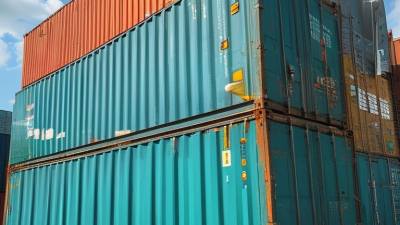
Cargo storage containers are standardized steel units designed to protect, store, and move goods efficiently. ISO 668 defines their dimensions and classification, supporting compatibility across ships, railways, trucks, and warehouses. UNCTAD’s Review of Maritime Transport 2023 reports that over 80% of global merchandise trade by volume moves by sea. That scale makes container selection a practical supply-chain decision.
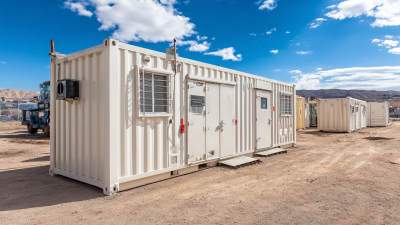
The ten main types include standard dry, high-cube, refrigerated, insulated, open-top, flat-rack, platform, side-opening, tank, and flexitank containers. Dry units suit cartons, machinery, and general cargo. High-cube models provide extra internal height. Refrigerated containers control temperature for food and sensitive materials. Open-top units handle tall cargo with cranes. Flat-racks support oversized equipment. Side-opening designs improve access in warehouses. Tank containers store approved liquids, while flexitanks serve selected non-hazardous liquid shipments. These functions differ sharply. A low-cost unit can become expensive after moisture damage, loading delays, or poor ventilation.
Tips: Check ISO dimensions, payload limits, door clearance, flooring condition, and local handling equipment before purchase. Request inspection photos and recent test records. The best choice depends on cargo shape, route, climate, dwell time, and unloading method. Buyers sometimes focus only on price. That is a mistake. I would also question whether a refrigerated unit is necessary for short storage periods. Requirements can change after loading, and container plans are rarely perfect.
Standard Containers for General, Oversized, and Heavy Cargo
Top 10 Types of Cargo Storage Containers for Global Buyers
Standard containers remain the practical choice for most general cargo shipments. A 20-foot unit suits dense goods, while a 40-foot unit offers more floor space. High-cube models add internal height for cartons, furniture, and packaged equipment. Always check the container’s tare weight, payload rating, internal dimensions, and door opening before booking.
Oversized cargo needs more careful planning. Open-top containers can accept tall machinery through the roof, while flat racks support wide or unusually shaped loads. Heavy cargo requires balanced weight distribution, strong blocking, and properly rated lashing points. A load may fit physically but still exceed floor limits. That difference causes expensive handling problems. In practical cargo reviews, uneven loading remains one of the most overlooked risks. I would not rely on estimated weights alone.
Tips: Measure every item, including skids and protective frames. Leave clearance around doors and walls. Confirm lifting points, moisture protection, and securing methods with a qualified cargo engineer. Photos help, but they cannot replace verified dimensions. Recheck the figures. Small errors become large delays at the terminal.
Top 10 Types of Cargo Storage Containers for Global Buyers - Standard Containers for General, Oversized, and Heavy Cargo
| No. |
Container Type |
Typical External Dimensions
(L × W × H) |
Typical Internal Dimensions
(L × W × H) |
Internal Volume |
Typical Tare Weight |
Typical Payload Capacity |
Best-Suited Cargo |
| 1 |
20-Foot Dry Container |
6.06 × 2.44 × 2.59 m |
5.90 × 2.35 × 2.39 m |
Approximately 33 m³ |
2.2–2.4 t |
Up to approximately 28.1 t |
General cargo, boxed goods, machinery, spare parts, and palletized freight with a high weight-to-volume ratio. |
| 2 |
40-Foot Dry Container |
12.19 × 2.44 × 2.59 m |
12.03 × 2.35 × 2.39 m |
Approximately 67.7 m³ |
3.7–4.0 t |
Approximately 26.5–28.8 t |
Large volumes of general cargo, furniture, consumer goods, cartons, textiles, and palletized products. |
| 3 |
40-Foot High-Cube Dry Container |
12.19 × 2.44 × 2.90 m |
12.03 × 2.35 × 2.70 m |
Approximately 76.4 m³ |
3.8–4.2 t |
Approximately 26.3–28.6 t |
Lightweight, high-volume cargo such as packaging materials, appliances, garments, plastics, and tall cartons. |
| 4 |
45-Foot High-Cube Container |
13.72 × 2.44 × 2.90 m |
13.56 × 2.35 × 2.70 m |
Approximately 86 m³ |
4.7–5.0 t |
Approximately 27.5–29.0 t |
High-volume cargo requiring more floor length than a 40-foot unit, subject to route, terminal, and equipment availability. |
| 5 |
20-Foot Open-Top Container |
6.06 × 2.44 × 2.59 m |
Approximately 5.90 × 2.35 × 2.35 m |
Approximately 32–33 m³ |
2.3–2.6 t |
Up to approximately 27.5–28.0 t |
Heavy or tall cargo loaded by crane, including scrap metal, stone, timber, industrial parts, and bulk cargo that cannot pass through standard doors. |
| 6 |
40-Foot Open-Top Container |
12.19 × 2.44 × 2.59 m |
Approximately 12.03 × 2.35 × 2.35 m |
Approximately 66–67 m³ |
3.8–4.2 t |
Approximately 26.0–27.0 t |
Long, heavy, or awkward cargo requiring top loading, such as industrial equipment, pipes, metal products, and construction materials. |
| 7 |
20-Foot Flat Rack Container |
6.06 × 2.44 × 2.59 m |
Platform length approximately 5.62 m |
Not enclosed |
2.7–3.0 t |
Approximately 27–31 t |
Oversized or heavy machinery, vehicles, steel products, tanks, transformers, and cargo exceeding standard container height or width. |
| 8 |
40-Foot Flat Rack Container |
12.19 × 2.44 × 2.59 m |
Platform length approximately 11.65 m |
Not enclosed |
5.5–6.0 t |
Approximately 28–40 t |
Long and heavy project cargo, construction machinery, industrial modules, large pipes, and abnormal loads requiring side or top access. |
| 9 |
20-Foot Refrigerated Container |
6.06 × 2.44 × 2.59 m |
Approximately 5.45 × 2.29 × 2.26 m |
Approximately 28 m³ |
2.8–3.2 t |
Approximately 27.0–27.5 t |
Temperature-sensitive food, pharmaceuticals, chemicals, flowers, and other chilled or frozen products. |
| 10 |
40-Foot High-Cube Refrigerated Container |
12.19 × 2.44 × 2.90 m |
Approximately 11.58 × 2.29 × 2.54 m |
Approximately 67–68 m³ |
4.5–4.8 t |
Approximately 28.5–29.0 t |
Large-volume chilled or frozen shipments, including produce, meat, seafood, dairy products, pharmaceuticals, and temperature-controlled cargo. |
|
Reference note: Dimensions, tare weights, and payload figures are typical industry ranges. Actual specifications vary by container design, manufacturer, age, country, shipping line, gross-mass regulations, and route restrictions. Always confirm the approved maximum gross weight and cargo dimensions before booking.
|
Specialized Containers for Refrigerated, Liquid, Open-Top, and Bulk Goods
Global buyers need more than standard dry boxes. The right cargo storage container protects product quality, loading efficiency, and transport safety. Refrigerated containers maintain controlled temperatures for seafood, fruit, pharmaceuticals, and dairy products. Temperature mapping matters because a cold-looking container may still have warm corners. UNEP reports that 13.2% of food is lost between harvest and retail, making reliable cold-chain equipment commercially important.
For liquids, tank containers offer a secure, standardized option for food-grade oils, chemicals, and other permitted fluids. The International Tank Container Organisation reported a global tank-container fleet of more than 880,000 units in 2024. Buyers should verify tank material, insulation, pressure ratings, and cleaning records. Small oversights become expensive quickly. Open-top containers suit machinery, timber, stone, and other cargo that exceeds standard door height. Their removable roof supports crane loading, but exposed cargo still needs proper weather protection and lashing.
Bulk containers handle loose commodities such as grains, powders, and granules. Some use liners, discharge gates, or reinforced interiors, depending on cargo behavior. The International Maritime Organization’s cargo-safety framework highlights the need for correct packing, securing, and declared cargo information. In practice, selection should begin with density, moisture sensitivity, discharge method, and route conditions. A container that works well at origin may perform poorly at the destination. Buyers should request inspection reports, confirm compatible handling equipment, and allow space for operational mistakes.
Top 10 Types of Cargo Storage Containers for Global Buyers
The chart compares the typical nominal or usable capacity of ten widely used cargo-container configurations. Actual capacity varies by container design, insulation, tank specification, loading method, and applicable safety requirements.