Top 10 Shipping Container Office Types to Buy Worldwide
A shipping container office can become a practical workplace, site cabin, studio, or remote meeting room. Its steel structure offers durability, while factory production can reduce installation time. However, quality varies widely between suppliers, regions, and conversion methods.
This guide examines ten shipping container office types available from manufacturers worldwide. Options include compact single-unit offices, open-plan modules, glass-front designs, mobile offices, and insulated executive cabins. Each type serves different needs. A construction company may value rapid relocation, while a small business may prefer natural light, sound control, and a finished interior.
We consider insulation thickness, ventilation, electrical systems, windows, doors, flooring, and delivery requirements. Real buying decisions also involve crane access, foundation preparation, climate, maintenance, and local building approval. These details are easy to overlook. They often shape the final cost more than the advertised container price.
Our evaluation draws on practical purchasing concerns and common industry specifications, not attractive photos alone. Still, no universal ranking exists. A model suited to a mild coastal site may perform poorly in a cold inland region. Supplier claims should be checked through drawings, material lists, warranty terms, and recent customer references. Some comparisons remain imperfect because manufacturers use different standards and product descriptions. That limitation deserves attention.
Whether you need a temporary project office or a permanent business space, the right choice depends on use, location, budget, and compliance. The following ten types provide a clearer starting point for comparing worldwide options.

What Is a Shipping Container Office?
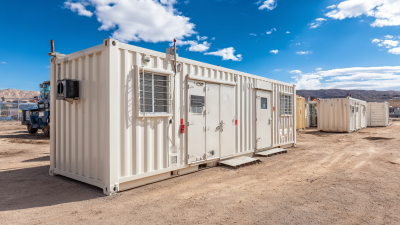
A shipping container office is a workspace created from a steel intermodal container. It is not simply a box with desks inside. A proper conversion usually includes insulation, interior lining, flooring, windows, doors, lighting, and safe electrical systems. Standard units often measure 20 or 40 feet long, offering layouts for private rooms, meeting areas, or compact site offices. In practical projects, the steel shell provides strength, but it also transfers heat quickly. Without thermal control, the room can feel like an oven in summer and a cold metal cabinet in winter. Good planning matters.
Buyers should check the container’s condition, structural modifications, drainage, ventilation, and delivery access. A professional assessment should confirm that openings are reinforced and electrical work follows local requirements. Ground preparation also matters. Uneven support can cause doors to stick or floors to move. Office comfort depends on daylight, acoustic insulation, cable routing, and efficient heating or cooling. A cheaper conversion may look attractive, yet weak insulation can create higher operating costs. That trade-off is easy to underestimate. I have seen layouts fail because furniture blocked the only window or service panel.
Tips: Define the number of users before choosing a size. Request drawings, material specifications, and a clear installation scope. Inspect welds, seals, flooring, and ventilation points. Leave space for maintenance. No office is perfect. Review local planning and electrical rules before purchase, because requirements vary by location.
Top 10 Shipping Container Office Types to Buy Worldwide
Shipping container offices can be configured as compact private rooms, collaborative workspaces, meeting rooms, or modular multi-container buildings. The chart compares the nominal external footprint of ten common office configurations.
Footprint estimates are based on standard nominal container lengths and an 8-foot external width: 10-foot units are approximately 7.4 m², 20-foot units approximately 14.9 m², and 40-foot units approximately 29.7 m². Actual usable floor area is lower after insulation, interior lining, doors, windows, and services are installed. High-cube and side-opening variants generally retain the same external footprint as their standard-length counterparts.
How Each Container Office Type Serves Different Business Needs
Top 10 Shipping Container Office Types to Buy Worldwide
Shipping container offices serve different business needs, not identical budgets. A single-room office suits a small contractor or remote supervisor. Multi-room units support teams needing separate workspaces. Portable site offices provide desks, storage, and shelter near construction zones. Stacked offices save ground space in crowded compounds. Meeting-room units create quiet spaces for client discussions. Sales offices offer a clean customer-facing environment. Training offices support temporary courses and staff onboarding. Control-room units organize monitoring equipment and shift teams. Retail-office hybrids combine sales counters with administrative space. Executive units add larger desks, better insulation, and private facilities.
Choose the structure around workflow, not appearance. ISO 668 standardizes container dimensions, helping buyers compare transport and stacking requirements. UNCTAD’s Review of Maritime Transport 2023 states that over 80% of global merchandise trade by volume moves by sea. That extensive container network can support international sourcing, but delivery costs still vary sharply by distance, crane access, and local handling.
Performance depends on preparation. McKinsey’s 2019 modular-construction report suggests modular methods can shorten schedules by 20% to 50%. It also identifies potential cost reductions near 20%. These figures are not guaranteed for every container office. Poor insulation can create a hot metal box. A rushed fit-out can make wiring, ventilation, and accessibility difficult. In practice, buyers should check climate data, occupancy needs, fire requirements, and future relocation plans. The cheapest unit may become expensive after modifications. Small details matter.
Key Factors for Comparing and Choosing a Container Office
Shipping container offices now serve construction sites, farms, workshops, classrooms, and remote project teams. The best choice depends on use, not appearance. A single-container office suits one or two workers, while linked units provide meeting rooms and storage. High-cube containers offer more headroom, which improves comfort during long workdays.
Compare the steel condition, insulation, ventilation, windows, wiring, and floor strength before buying. Experienced suppliers should provide clear dimensions, material details, and inspection records. Check whether the office can handle local weather, including heat, rain, wind, or snow. Transport access matters too. A perfect unit may become expensive if a crane cannot reach the installation area. Security features, fire protection, lighting, and accessible entrances also deserve careful review. Small details matter.
Tips: Request recent photos and a written specification. Ask how moisture is controlled around doors and joints. Measure furniture before confirming the layout. Leave room for cable routes and future equipment. Used containers can reduce costs, but hidden corrosion may change the calculation. I have found that buyers often focus on floor plans and overlook insulation thickness. That mistake is easy to make. Also compare delivery time, maintenance support, warranty terms, and modification quality. The cheapest option is not always the most reliable.
Global Buying, Delivery, and Compliance Considerations
Buying a container office internationally requires more than choosing a floor plan.
The top ten options include single-unit offices, meeting pods, open-plan suites, executive rooms, site offices, reception units, stacked modules, classroom units, laboratory-ready spaces, and expandable offices. Each type serves a different workflow, climate, and delivery route.
Request certified steel grades, insulation values, electrical diagrams, and structural drawings before paying a deposit.
Confirm whether the unit has valid CSC plates for transport. Local building officials may also require fire ratings, emergency exits, ventilation, accessibility features, and energy compliance. Requirements can change between cities, even within one country. A supplier’s general statement is not enough.
Delivery planning deserves equal attention.
Check container dimensions, gross weight, lifting points, port handling, customs documents, import duties, and the final truck route. A narrow gate or weak bridge can stop an otherwise correct shipment. Use clear Incoterms and define who manages unloading, storage, insurance, and damage inspections. On previous projects, buyers have underestimated foundation work and crane access after approving the design. That mistake is expensive. Leave space for local engineering changes, spare electrical parts, and weatherproof sealing inspections after installation. Photograph every panel, lock, and connection before signing the delivery record.