
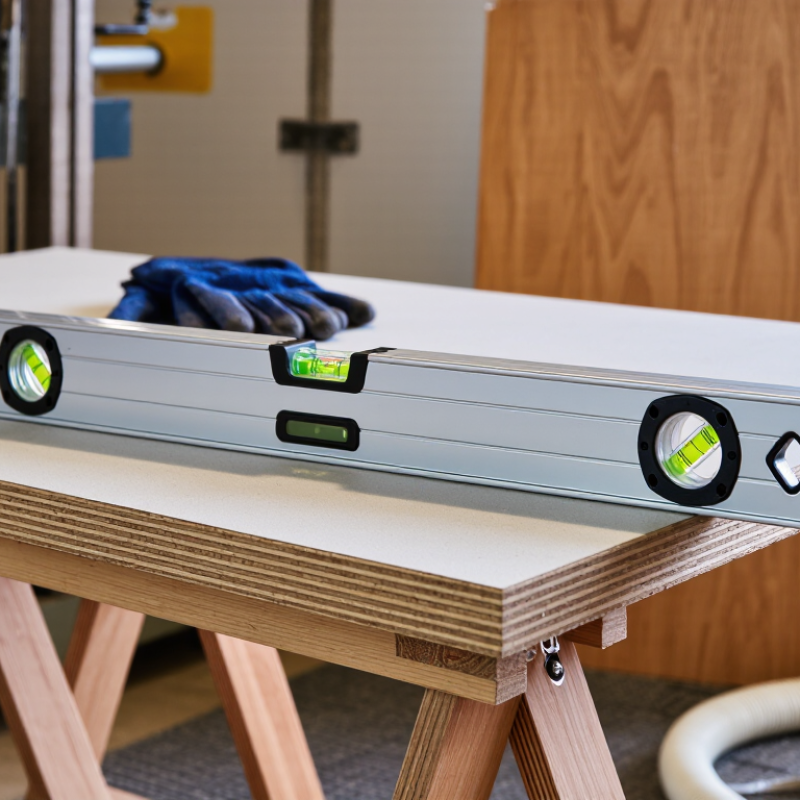
Digital spirit levels offer practical advantages over traditional spirit levels, especially when measurements must be repeated. A clear digital display can show small angle changes that are difficult to judge through a moving bubble. Many models also provide audible alerts, which help when both hands are occupied. A 0.1-degree reading equals roughly 1.7 millimeters of rise over one meter. That detail matters when aligning cabinets, machinery, frames, or drainage lines.
NIST Technical Note 1297 explains that measurement uncertainty includes repeatability, resolution, and environmental effects. Digital readings improve consistency, but they do not remove these risks. ISO/IEC 17025:2017 also emphasizes traceable calibration and competent testing. Therefore, a digital level should be checked regularly against a known reference surface.
In field work, I have found that a bright display saves time in dim rooms. Batteries can fail. Sensors can drift. Users may also trust a beep too quickly. A bubble still provides a useful visual cross-check.
The strongest method combines digital precision with careful setup, clean contact surfaces, and repeated measurements. Temperature changes, vibration, and magnetic interference can still affect results, so the tool should rest briefly before recording the final reading.


