
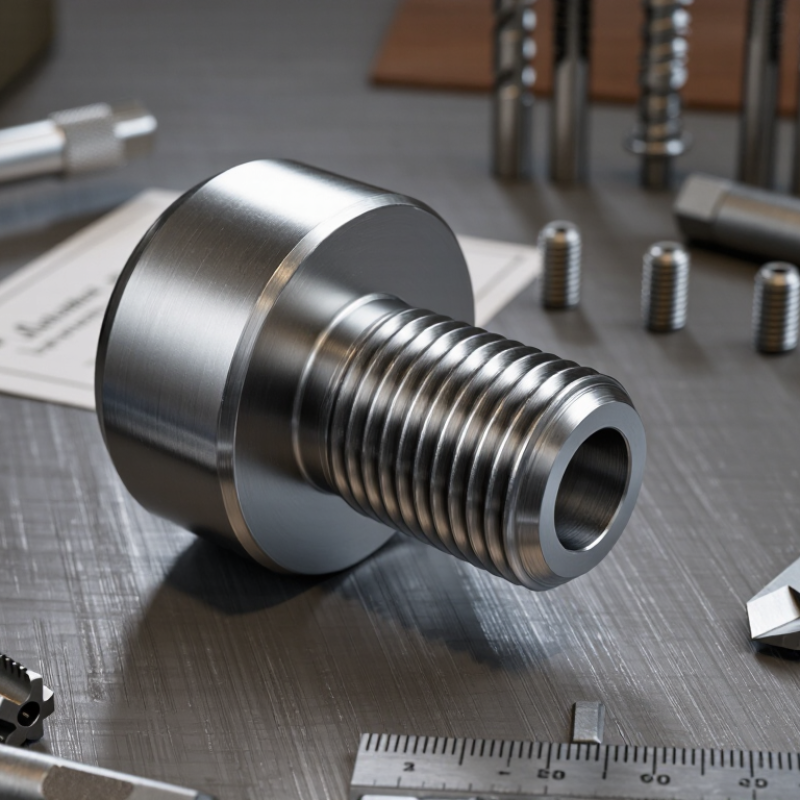
Choosing a titanium hemispheric bolt for global sourcing requires more than comparing unit prices. The RFQ should state the titanium grade, thread standard, head diameter, radius, tolerances, surface finish, and packaging requirements. Attach a clear drawing and expected annual volume. Details matter. Ambiguous drawings often create costly revisions.
MOQ should be discussed with tooling, setup, and production capacity in mind. A lower MOQ may increase machining costs, while a higher MOQ can create unused inventory. Ask for separate pricing at several quantity levels. Request material certificates, dimensional reports, thread-gauge results, and sample approval before mass production. An independent inspection can verify head geometry, thread engagement, surface damage, and lot traceability. Do not rely only on photographs.
Lead time should be divided into engineering review, raw-material preparation, machining, inspection, and shipping. Titanium machining may need slower cutting speeds and careful control, so optimistic schedules can fail. That happens. Include a buffer for nonconforming samples or customs delays. Total cost should cover tooling, testing, packaging, freight, duties, payment fees, and possible rework. A cheaper quotation may become expensive after these items appear. In practice, I would compare landed cost beside technical risk, not unit price alone. One detail is still easy to miss: confirm whether replacement parts follow the same inspection plan.


