Choosing the best 10ft storage container in 2026 starts with a simple question: what needs to fit inside, and where will the unit sit? A compact container can store tools, seasonal equipment, or small business stock, but usable space varies by design. Door clearance matters. So does the floor.
Industry data offers context, not a shortcut to choosing a product. UNCTAD’s Review of Maritime Transport 2024 reported that global container port throughput reached 858.9 million TEUs in 2023, up 2.3% from 2022. That figure reflects shipping activity; it does not measure demand for, or the quality of, small storage units. This distinction matters.
For dimensions, ISO 668 sets classifications and external measurements for Series 1 freight containers. Yet a product marketed as a 10ft storage container may have different interior dimensions, door openings, insulation, or payload ratings. Check the manufacturer’s specification sheet rather than relying on the label alone. A tape measure can settle questions that sales copy cannot.
This guide compares build quality, weather protection, security features, ventilation, delivery requirements, and total cost. It also considers the trade-offs between new and used units. No single model suits every site. A narrow driveway, damp climate, or heavy shelving can change the best choice—and product descriptions do not always make those limits obvious. Consider the evidence, then match the container to your actual space and storage needs.
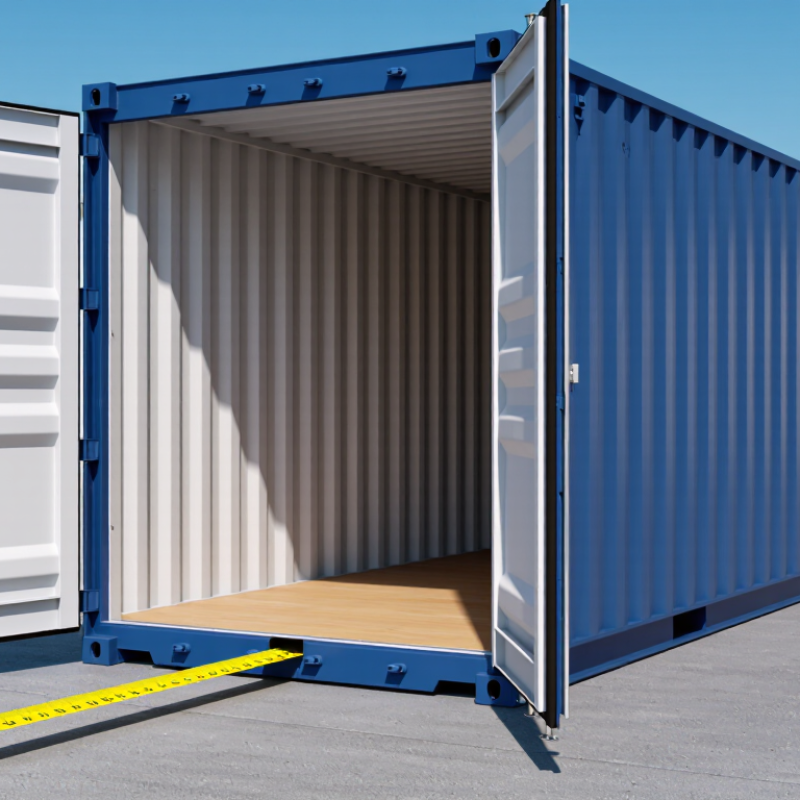
A 10ft storage container is a compact, lockable storage unit named for its approximate exterior length. Many are about 10 feet long, 8 feet wide, and 8.5 feet high, but dimensions differ by design. Interior space is smaller once wall thickness and door hardware are accounted for. That distinction matters. Check the actual measurements, especially the doorway, before planning to store bulky equipment. A tape measure beats a guess.
These containers suit home renovations, small work sites, seasonal stock, garden tools, and sports equipment. A homeowner might keep boxed tiles and a wheelbarrow inside while a room is being repaired. A contractor may use one for hand tools and materials near a project.
They can also help small businesses hold extra inventory without renting a large warehouse. Keep frequently used items near the doors, and leave a clear path inside. It sounds obvious, but crowded containers become frustrating quickly.
Before loading, inspect the floor, hinges, and door seals; weather resistance depends on condition and upkeep. Ventilation may matter for items that should stay dry, and a container in full sun can become hot. A 10ft unit is useful, though not magically roomy. Check access for delivery and placement, too.
A 10-foot storage container is compact, but its usable space depends on more than its label. Check the exterior and interior measurements, door opening, and floor capacity before comparing models. Wall thickness and frame design also affect durability. Specifications vary, so confirm them on the unit’s data sheet rather than assuming every 10-foot model is alike.
Steel is a common choice for its strength and resistance to everyday knocks. Coatings can slow corrosion, though scratches and standing water still deserve attention. Aluminum is lighter, but availability and structural details vary. Resin storage units resist rust and need less upkeep, yet they may offer different security and load limits. No material is perfect. That matters.
Look closely at practical features: door seals, ventilation, locking points, and floor construction. Ventilation can help reduce trapped moisture, but it does not replace dry, level placement. A plywood floor may suit boxed goods; heavier equipment needs a verified load rating. Measure the access route, too. A unit that fits the yard may not fit through the gate. Comparing these details can feel tedious, and product listings sometimes leave gaps. Ask for missing measurements before choosing.
Assessing Durability, Security, and Weather Resistance
A dependable 10ft container should have a rigid frame, sound welds, and doors that close evenly. Check the roof for dents or standing-water marks, especially around seams. ISO 1496-1 sets performance tests for freight containers, but a used storage unit may not come with test records. Ask for inspection details, and treat missing documentation as a real limitation. Small units vary in construction quality.
Weather protection deserves close attention. NOAA’s National Centers for Environmental Information recorded 28 U.S. billion-dollar weather and climate disasters in 2023, with estimated losses of $92.9 billion. That figure does not measure container damage, but it shows why wind and water exposure matter. Look for intact door gaskets, a sound floor, and drainage that keeps water from pooling beneath the unit. For security, inspect hinges and locking bars; a reinforced lock area helps resist tampering. No inspection is perfect. Rust hidden under paint can still be missed.
Tips: Visit after rain if possible. Check inside corners for damp patches, then open and close both doors yourself. Ask how the container was stored and repaired. A fresh coat of paint can look convincing, but it cannot replace a close inspection.
What Is the Best 10ft Storage Container in 2026?
Matching Container Types to Storage Needs and Available Space
The best 10ft storage container depends on what you need to store and where it will sit. A standard unit can suit boxes, seasonal equipment, or compact tools. For damp locations, consider a model with sound seals and ventilation. If you need frequent access, check door width and opening clearance. Measure twice.
Available space matters as much as interior capacity. Measure the container’s footprint, then allow room for delivery, door swing, and safe access around it. A narrow driveway or low branch can limit placement, even when the container itself fits. Compare internal dimensions with your largest item, not just the advertised size. Specifications can vary, so verify them before arranging delivery. I’ve seen small access details cause more trouble than storage capacity.
Tips: Sort items by size before choosing a layout. Keep frequently used boxes near the doors, and leave a clear path inside. Use raised shelving if the floor may get damp. Check the ground is level and firm; a slight slope can make doors harder to operate. Don’t overpack it.
A strong 10ft storage container in 2026 is not simply the cheapest unit. Compare its condition, usable interior space, door operation, and delivery cost. Ten-foot models can differ in height and width, so measure the actual items you plan to store. A tape measure beats a listing photo. Ask for clear pictures of the floor, roof seams, and door seals; surface rust may be manageable, but leaks are not.
For market context, UNCTAD’s Review of Maritime Transport 2024 reported an 8.2% increase in container ship capacity during 2023. That figure describes vessels, not the supply or selling price of 10ft storage units, so it is only background—not a price forecast. Request written quotes for new and used units, including transport, unloading, taxes, and any ground-preparation costs. Prices vary by region and condition; a low advertised price can become less attractive after delivery is added. Check whether the container sits level at your site, and confirm the supplier’s stated dimensions against your access route. I would compare total installed cost, not just the unit price. There is no perfect shortcut.
The best choice depends on condition, access needs, and how long the container will be used. Prices below are indicative U.S. planning ranges for 2026, not guaranteed quotes; location, availability, taxes, and delivery can change the total.
| Option | Indicative price | Typical condition or features | Best suited for | Main consideration |
|---|---|---|---|---|
| Used, wind- and watertight | About $1,800–$3,000 | Previously used; expected to protect stored goods from ordinary rain and wind, with cosmetic wear possible. | Budget-conscious buyers storing tools, equipment, or household items. | Inspect doors, seals, floor, and roof for damage; “wind- and watertight” does not mean new or damage-free. |
| New or one-trip condition | About $3,000–$5,000 | Typically made overseas and shipped once before sale; generally cleaner with less wear than a used unit. | Long-term storage, visible locations, or buyers prioritizing appearance and condition. | Confirm the exact condition, included features, and whether delivery is part of the quoted price. |
| Used unit with side-access door | About $2,500–$4,500 | A standard used unit fitted with an additional side door; configuration and door placement vary. | Frequent access, organized tool storage, or loading items without moving everything near the end doors. | Check workmanship, door seals, and whether modifications affect structural integrity or warranty coverage. |
| Short-term rental | About $100–$200 per month, plus possible delivery and pickup fees | Rental terms, minimum rental period, condition, and included services depend on the local provider. | Renovations, temporary projects, or storage needs with a clear end date. | Compare the full rental term and transportation charges with the cost of purchasing and later reselling. |
| Dimension or check | Typical information | Why it matters |
|---|---|---|
| External dimensions | Approximately 10 ft long × 8 ft wide × 8 ft 6 in high | Allow extra clearance for delivery, placement, and opening the doors. |
| Interior dimensions | Often around 9 ft 3 in long × 7 ft 8 in wide × 7 ft 10 in high; actual measurements vary by unit. | Measure bulky items and door openings before ordering; usable space is smaller than the external footprint. |
| Approximate capacity | Roughly 560 cubic feet for common standard configurations | A useful estimate for planning, but shelving, framing, and interior dimensions reduce practical storage space. |
| Empty weight | Often approximately 2,200–2,500 lb; specifications vary by construction. | Verify the unit’s weight and check that the delivery vehicle and placement surface can accommodate it. |
| Delivery and site access | Quoted separately in many cases; cost depends on distance, equipment, and site conditions. | Ask for the delivered total and confirm truck access, overhead clearance, ground stability, and placement requirements. |
| Final inspection | Check door operation, seals, floor condition, roof, corners, and visible corrosion before accepting the unit. | Photos and a written condition description help avoid disputes about damage or included features. |
Practical takeaway: A used wind- and watertight unit is often the value-oriented choice; a new or one-trip unit may suit buyers who prioritize appearance and condition. Compare delivered totals and inspect the specific container before purchase. All prices and specifications are estimates and can vary by region and supplier.