Choosing the right self storage containers for global shipping requires more than comparing prices and exterior sizes. A container that protects boxes in a warehouse may fail during ocean transport. Salt air, temperature changes, vibration, and rough handling can expose weak doors or damaged seals. The selection process should match the container with the cargo, route, handling equipment, and destination conditions.
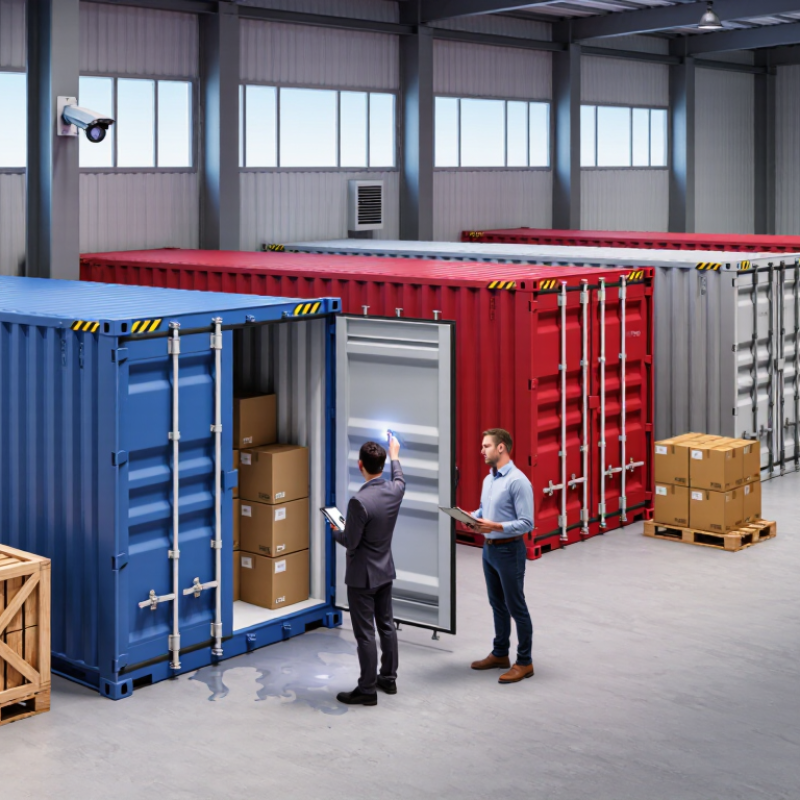
Begin by checking the container’s construction, internal dimensions, floor condition, ventilation, and door seals. Inspect for water stains, sharp edges, rust holes, and lingering odors. A wooden crate may need extra bracing, while electronics require stronger moisture protection and careful packing. Weight distribution matters too. Heavy cartons should remain low, stable, and evenly placed. Keep photographs and inspection records before loading.
Reliable global shipping also depends on verified suppliers, experienced freight partners, and current carrier requirements. Ask whether the unit is approved for international transport and whether its identification details are clearly documented. Confirm packing, labeling, insurance, customs, and destination handling requirements with qualified professionals. Rules differ by country and cargo type. Never assume.
A practical checklist helps.
Still, no checklist catches every problem. I have seen clean-looking containers hide worn seals beneath painted edges. Weather can change before loading, and plans may need revision. Selecting self storage containers is therefore a balance between protection, cost, accessibility, and verified shipping suitability. Careful inspection may take extra time, but it can prevent damaged goods, delays, and avoidable disputes across borders.
Before choosing a self-storage container for global shipping, map the full journey. Record what you will store, how much it weighs, and how long it may remain packed. A few boxes of household goods need different access and space than workshop equipment or seasonal inventory. Measure the largest item, including handles and protective wrapping. Then allow room to load it without forcing cartons against the doors.
Check the route and every handoff. A container moved by truck, ship, and warehouse equipment must fit the carrier’s handling and loading requirements. Ask the freight provider about accepted dimensions, weight limits, and any need for a certified shipping unit. Not every storage container is designed for transport. That detail is easy to miss. If goods will sit in a coastal depot or an unheated warehouse, consider ventilation, moisture exposure, and suitable packing materials. Use pallets or shelving only when they remain stable during movement.
Think about how often you need access. A unit opened weekly may benefit from clear aisles and labeled cartons, while long-term storage can prioritize efficient stacking. Keep an inventory with item descriptions, quantities, and photographs; it helps identify gaps before sealing the container. Measure twice. I have seen plans change because one bulky item was overlooked. It is also worth checking whether the destination has space and equipment to unload the selected size, rather than assuming the same setup will be available everywhere.
Compare approximate internal volumes to estimate how much cargo each container size can hold. Actual dimensions vary by container, so confirm the specifications with your shipping or storage provider before booking.
Planning tip: Choose a container based on cargo volume, dimensions, weight, handling needs, and the space available at your destination. Volume alone does not determine how much cargo can be shipped.
Choosing a self-storage container for global shipping requires more than checking its price. A standard steel dry container suits furniture, tools, and sealed household goods. It offers strong weather protection and broad transport compatibility. Temperature-sensitive contents may need an insulated or climate-controlled unit. Oversized items can require an open-top or flat-rack container, but these options need careful route planning. A 20-foot container is easier to load and reposition. A 40-foot container provides more capacity, while a high-cube model adds useful vertical space.
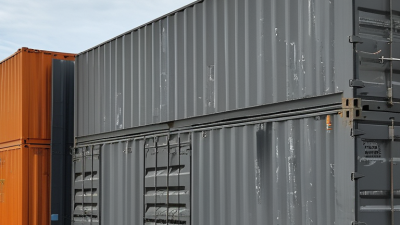
Material quality matters during long sea journeys. Inspect the steel panels for deep rust, holes, or repaired seams. Marine-grade flooring can resist moisture, but it still needs dry packing materials. Door gaskets should close evenly. Small gaps can invite salt air and condensation. Security features should include strong locking bars, a protected lock area, and a tamper-evident seal. Internal bracing also prevents shifting when waves move the container.
Tips: Measure every large item before choosing the size. Leave space for airflow and inspection. Use moisture absorbers, but do not rely on them alone. Photograph the container condition before loading. A perfect plan is rare. Recheck weight distribution, especially when dense items sit near one end. Certified weight records and accurate cargo descriptions support smoother handling across ports.
Choosing a self storage container for global shipping requires more than checking its size. International regulations can affect the container, its contents, and every document attached to the shipment. Confirm the destination country’s import rules before packing. Requirements may vary by product type, value, origin, and container material.
A complete document set usually includes a commercial invoice, packing list, bill of lading, and accurate customs classification. Some shipments also require certificates of origin, import permits, or proof of treatment for wooden packaging. Check whether the destination accepts the container’s materials and seals. A clean, dry container reduces inspection concerns and protects goods during ocean transit. Do not rely on copied paperwork. A small error in quantity, weight, or consignee details can delay clearance.
Tips: Ask a qualified freight specialist or customs broker to review your documents before loading. Keep digital and printed copies. Photograph the container condition, seal number, and packed contents. Use plain descriptions, not vague terms. Recheck the final weight; estimates are often wrong. I have found that careful preparation still leaves room for uncertainty, especially when regulations change without clear notice. Build extra time into the shipping plan, and verify updates directly with official customs sources. A container may be physically ready, yet documentation can remain incomplete.
How to Choose Self Storage Containers for Global Shipping?
Global shipping exposes a storage container to heat, salt air, shocks, and long idle periods. The World Meteorological Organization’s State of the Global Climate 2023 report recorded 2023 at 1.45°C above pre-industrial levels. That figure makes insulation and moisture control practical decisions, not decorative upgrades. Choose a sound, ISO-compatible unit with intact door gaskets, a dry floor, and clear ventilation paths. Check welds and roof seams in daylight. Small gaps become expensive.
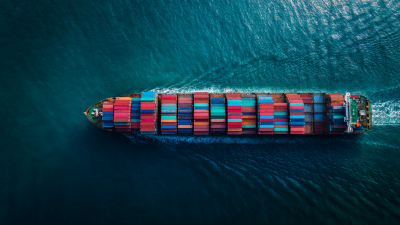
Handling risk deserves equal attention. The World Shipping Council’s Containers Lost at Sea report recorded 2,116 containers lost in 2023. This represented a small share of global movements, but it shows why secure loading matters. Use corner castings, approved lashing points, and internal blocking that follows the IMO/ILO/UNECE CTU Code. Heavy items belong low and near the center. Do not trust straps alone. Photograph the empty container, packed load, seals, and moisture indicators before departure.
For storage beyond a few weeks, raise the container above standing water and inspect it monthly. Use desiccants suited to the cargo, but never seal wet goods inside. Temperature cycles can create condensation, even when the container looked dry at loading. That is the uncomfortable part. No checklist is perfect. Local weather, cargo sensitivity, and handling quality can defeat a good specification. A qualified surveyor should review high-value or climate-sensitive shipments.
| Container Type | Typical Construction | Climate Protection | Handling and Impact Protection | Long-Term Storage Suitability | Ventilation and Condensation Control | Security Features to Check | Best-Suited Cargo | Main Limitations | Overall Risk Profile |
|---|---|---|---|---|---|---|---|---|---|
| Steel Shipping Container | Corrosion-resistant steel panels, reinforced corner posts, double doors, and a marine-grade plywood floor. | High Provides strong resistance to rain, wind, dust, and external impact when door seals and panels are in good condition. |
High Designed for lifting, stacking, and repeated intermodal handling through standardized corner castings. |
High Suitable for extended storage if inspected for corrosion, water ingress, roof damage, and floor deterioration. |
Moderate Closed steel walls can trap moisture; desiccants, cargo ventilation, and moisture barriers may be required. |
Lockable door hardware, a protected padlock area, intact rubber gaskets, and evidence of regular inspection. | Machinery, boxed goods, furniture, tools, packaged materials, and mixed commercial cargo. | Can develop condensation, commonly called container rain, during temperature changes; steel may also transfer heat rapidly. | Low risk when properly prepared |
| Insulated Shipping Container | Steel exterior with insulated wall, roof, and door panels; some units include a finished interior lining. | High Reduces heat transfer and helps moderate temperature swings compared with an uninsulated steel container. |
High Retains the structural advantages of a steel shipping container, although interior panels must be protected from puncture. |
High Appropriate for goods sensitive to temperature fluctuation, provided moisture and pest controls are maintained. |
Moderate to high Insulation slows temperature change but does not remove internal moisture; controlled ventilation remains important. |
Sealed doors, undamaged insulation, secure locking points, and no gaps around wall or roof joints. | Electronics, documents, textiles, household goods, finished products, and temperature-sensitive non-perishable items. | Higher purchase or rental cost; insulation alone does not provide precise temperature or humidity control. | Low risk for climate-sensitive dry cargo |
| Ventilated Shipping Container | Steel construction with fixed ventilation openings designed to allow passive air exchange. | Moderate Offers protection from direct weather exposure, but ventilation openings must be designed to prevent rain entry. |
High Maintains the load-bearing and handling characteristics of a standard steel container. |
Moderate to high Useful for cargo that benefits from air circulation, subject to local humidity and storage conditions. |
High Passive airflow can reduce moisture accumulation, although it cannot guarantee a stable relative humidity. |
Vent covers, insect screens, door seals, and lock protection should be checked before loading. | Dry agricultural products, timber, bagged materials, and cargo that can tolerate ambient temperature changes. | Not ideal for dust-sensitive, water-sensitive, or highly climate-sensitive cargo; humid air may still enter. | Moderate risk depending on climate |
| Refrigerated or Temperature-Controlled Container | Insulated panels, insulated doors, a refrigeration unit, temperature sensors, and a powered control system. | Very high when powered Can maintain a specified temperature range if the equipment is correctly set, monitored, and continuously supplied with power. |
High Built for international transport, but machinery and control components require additional inspection and protection. |
Moderate Suitable only when power availability, servicing, alarm response, and temperature records are reliably managed. |
High Designed to manage temperature and airflow, but condensation can still occur if cargo is loaded warm or wet. |
Working door seals, alarm functions, temperature logging, power connections, and an emergency response procedure. | Perishable food, pharmaceuticals, chemicals, and other goods requiring a defined temperature range. | High operating cost; loss of power or equipment failure can quickly create cargo risk. | Low risk with continuous monitoring; high risk after power failure |
| Flexible Bulk Container or Liner System | Flexible fabric bag or internal liner installed inside a rigid transport container; may include discharge fittings. | Moderate Protection depends heavily on the outer container, liner integrity, and closure system. |
Low to moderate The rigid outer container handles external loads, while the flexible liner is vulnerable to puncture and abrasion. |
Moderate Appropriate for compatible dry bulk products when the liner is clean, sealed, and protected from sharp edges. |
Low Limited airflow inside the liner; moisture content and product temperature must be controlled before loading. |
Sealed filling and discharge points, liner compatibility, puncture resistance, clean interior surfaces, and tamper evidence. | Suitable dry powders, granules, and non-hazardous bulk materials approved for the specific liner system. | Not suitable for all cargo types; leakage, contamination, static electricity, or product incompatibility may occur. | Moderate risk requiring cargo-specific validation |
| Plastic or Composite Storage Container | High-density plastic or composite shell, often with molded ribs, gasketed lids, and reusable closures. | Moderate Resists surface corrosion and light rain, but performance depends on lid design, UV exposure, and wall thickness. |
Moderate Good for local handling and smaller loads; generally less suitable for heavy stacking and repeated ocean transport. |
Moderate Useful for warehouse or domestic storage when protected from extreme heat, UV radiation, and excessive loading. |
Low Airtight designs may retain internal moisture unless vented or packed with appropriate moisture-control materials. |
Lockable lids, tamper-resistant closures, UV stability, impact-resistant corners, and secure internal packing. | Small parts, tools, documents, household items, and moisture-tolerant goods requiring reusable handling units. | Limited dimensions and stacking strength; plastic may become brittle under prolonged UV exposure or cold conditions. | Moderate risk for short-distance or controlled storage |
| Wooden Export Crate | Heat-treated timber or plywood panels with a nailed, screwed, or bolted frame; may include vapor barriers and blocking. | Moderate Can provide good protection when sealed, wrapped, and elevated above wet surfaces, but wood is vulnerable to moisture. |
Moderate to high Strength depends on timber grade, joint design, internal bracing, and the quality of blocking and cushioning. |
Moderate Works for long-term storage only when kept dry, ventilated, pest-free, and protected from ground moisture. |
High when designed correctly Breathable construction can reduce trapped moisture, while vapor barriers protect moisture-sensitive cargo when properly installed. |
ISPM 15 compliance for regulated wood packaging, sound fasteners, intact panels, and no signs of insects, mold, or rot. | Heavy machinery, industrial components, fragile equipment, and oversized items requiring custom internal bracing. | Wood can absorb moisture, deform, split, or support mold; packaging may require inspection at border and port facilities. | Moderate risk requiring careful preparation |
Note: Ratings are general planning guidance. The final selection should consider cargo sensitivity, route climate, duration, stacking requirements, customs rules, moisture-control methods, inspection records, and the applicable international packaging and transport regulations.
Choosing a self storage container for global shipping starts with the cargo, not the advertised price. Measure the packed volume, weight, pallet height, and loading method. A dry, lockable container may suit furniture, machinery, or boxed inventory. Sensitive goods may require ventilation, moisture barriers, or temperature monitoring. Small details matter.
Calculate the full landed cost before signing. Include the container purchase or rental fee, inspection, cleaning, inland transport, terminal handling, ocean freight, insurance, documentation, duties, taxes, and destination storage. Ask whether delivery includes a crane or unloading equipment. It often does not. Request a written quote with currency, validity period, payment terms, and every possible surcharge. Compare like with like. A cheap container can become costly after repairs, delays, or rehandling charges.
A reliable supplier should provide clear specifications, recent inspection photos, a traceable serial number, and evidence of suitable shipping compliance. Check door seals, floor condition, roof integrity, odor, corrosion, and locking bars before dispatch. Ask how damage claims are handled and who supports you across time zones. References from comparable international shipments are useful, but they are not proof by themselves. Verify them. I would also confirm the promised delivery date in writing, because verbal assurances fade quickly. My own planning mistake would be allowing too little time for port paperwork. Build a buffer, especially when several transport providers are involved.