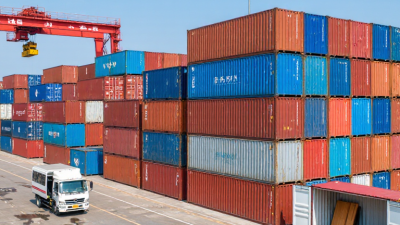
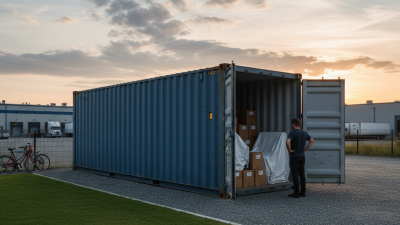
Second hand shipping containers are used intermodal units that have previously carried freight and are later sold outside their original carrier or leasing fleet. They are usually steel boxes built to move between ships, trains, and trucks. Their second life may involve storage, workshop space, or a building project. The term describes their history, not a guaranteed condition. A faded exterior can hide sound structure; fresh paint can hide problems.
The scale of shipping helps explain why these units enter resale markets. UNCTAD’s Review of Maritime Transport 2024 reports that global container port throughput reached about 858 million TEUs in 2023. A TEU is a capacity measure, not a count of containers, and it does not reveal how many units were sold second-hand. That distinction matters. Buyers should assess each container directly, checking the floor, door seals, locking bars, roof, and corner castings. Ask for clear photographs and inspection details, and confirm the stated dimensions suit the intended site. A unit that worked well at sea may still need repairs before storage or conversion. Condition varies. “Used” is not a technical grade, and listings may describe wear differently. This guide explains what second hand shipping containers are, how their condition is assessed, and what practical questions to ask before choosing one.
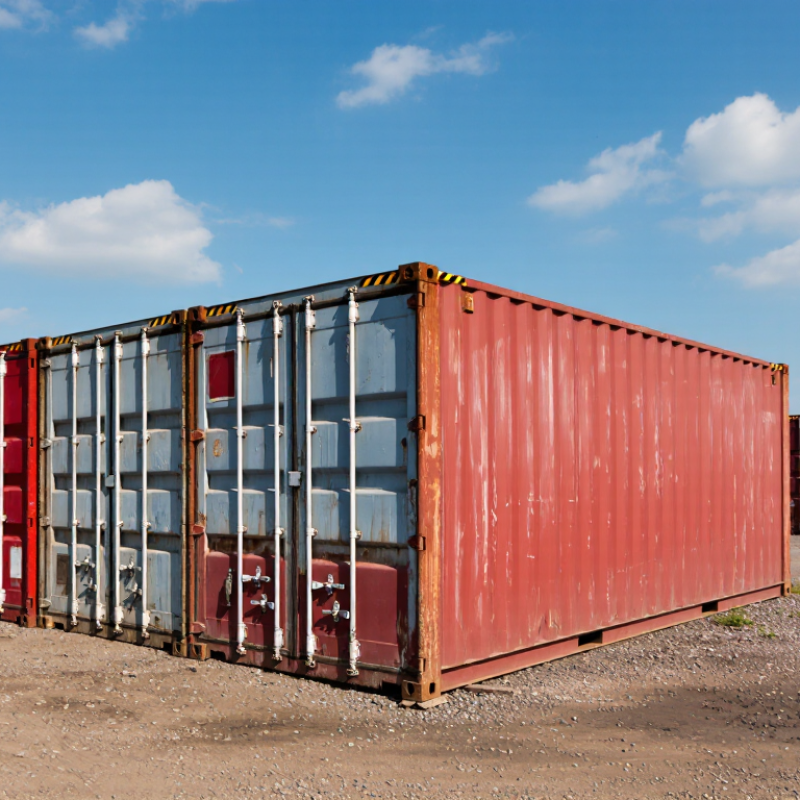
A second-hand shipping container is a unit that has already carried cargo or served in logistics, then entered resale or reuse. Its history matters, but age alone does not define its condition. UNCTAD’s Review of Maritime Transport 2024 reports that shipping carries over 80% of world trade by volume. That scale helps explain why containers circulate through many routes and may return with dents, patched panels, or worn floorboards.
Look closely. A sound used container should have doors that close and seal, a floor without serious damage, and walls and roof without holes or active leaks. Ask for its inspection records and check the CSC safety approval plate; the Convention requires periodic examinations at intervals no longer than 30 months, unless an approved continuous examination programme applies. A valid plate confirms safety oversight, not a guarantee that the unit is dry or suitable for every purpose. Terms such as “cargo-worthy” and “wind- and watertight” can describe different standards, so request the seller’s written grading criteria and inspect the actual unit when possible. A fresh coat of paint can hide repairs. I would not judge by paint alone.
| Dimension | What It Means | Typical Facts and Examples |
|---|---|---|
| Definition | A second-hand shipping container is a freight container that has previously been used, usually to transport cargo. | Once a container has been used, it is no longer new, even if it has made only one trip. Its condition and suitability depend on its inspection and intended use. |
| How It Differs from a New Container | It has a history of use and may show wear from handling, weather, and cargo operations. | Common signs include scratches, dents, faded paint, surface rust, or repaired areas. Their presence alone does not determine whether a container is suitable for a particular purpose. |
| Common Standard Size | Standard dry containers are commonly available in 20-foot and 40-foot lengths. | Typical external dimensions are approximately 6.06 m × 2.44 m × 2.59 m for a 20-foot container, and 12.19 m × 2.44 m × 2.59 m for a 40-foot container. |
| High-Cube Size | A high-cube container provides additional height compared with a standard-height container. | A typical 40-foot high-cube container is approximately 12.19 m long, 2.44 m wide, and 2.90 m high externally. Exact dimensions vary by design and manufacturer. |
| Internal Space | Usable interior dimensions are smaller than the external dimensions because of the walls, floor, and roof structure. | A typical 20-foot container has interior dimensions of about 5.9 m × 2.35 m × 2.39 m. A 40-foot container is about 12.0 m × 2.35 m × 2.39 m internally. Actual measurements vary. |
| Condition Terms | Terms such as “cargo-worthy,” “wind and watertight,” and “as-is” describe different condition expectations. | “Cargo-worthy” generally indicates suitability for cargo transport subject to the required inspection and approvals. “Wind and watertight” commonly describes a unit that keeps out wind and rain, but does not by itself certify it for shipping. |
| CSC Safety Approval | Containers used in international transport may be subject to the International Convention for Safe Containers (CSC). | Check the container’s CSC safety approval plate and inspection status when cargo use is intended. A plate or approval does not replace a current condition inspection. |
| Inspection Points | A physical inspection helps establish whether a used container fits its intended use. | Check doors and seals, door operation, roof and walls for holes, floor condition, corner fittings, frame alignment, visible corrosion, and signs of previous repairs. |
| Typical Uses | Used containers can serve transport, storage, or conversion needs, depending on their condition and approvals. | Examples include general storage and cargo transport. Any conversion or specialized use should account for structural condition, ventilation, local building rules, and other applicable requirements. |
| Important Limitation | “Second-hand” is a description of prior use, not a standardized grade or guarantee. | Ask for actual measurements, inspection details, repair history where available, and confirmation that the container is appropriate for the intended use. |