The 2026 market for container self storage is becoming more practical, flexible, and globally accessible. Buyers now compare security, mobility, weather protection, delivery systems, and long-term operating costs. A steel container may look simple. The decision is not.
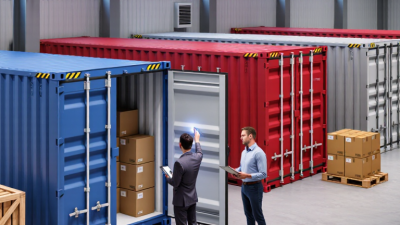
According to self-storage consultant Jim Chiswell, “The customer is buying convenience, not just storage space.” This observation remains useful for international buyers. A container self storage site should support easy access, clear pricing, reliable locks, and visible safety measures. Good drainage matters in rainy regions. Ventilation matters in hot climates. Forklift access can reduce handling time, but it may increase site preparation costs. Small details become expensive when repeated across hundreds of units.
This guide examines the leading container self storage types for global buyers in 2026. It considers standard dry containers, modified storage units, insulated models, refrigerated options, and modular systems. Each type serves a different operating purpose. Some suit urban land shortages. Others perform better on industrial sites or rural properties. Sustainability also deserves attention, although “green” claims need evidence. Reused steel can reduce material waste, but transport emissions may change the calculation.
The market is not perfect. Product quality varies between suppliers, and local planning requirements can alter the final budget. Buyers should inspect specifications, corrosion protection, locking systems, and after-sales support before committing. The cheapest container may become the costliest choice later. This article offers a grounded comparison, while leaving room for careful judgment.
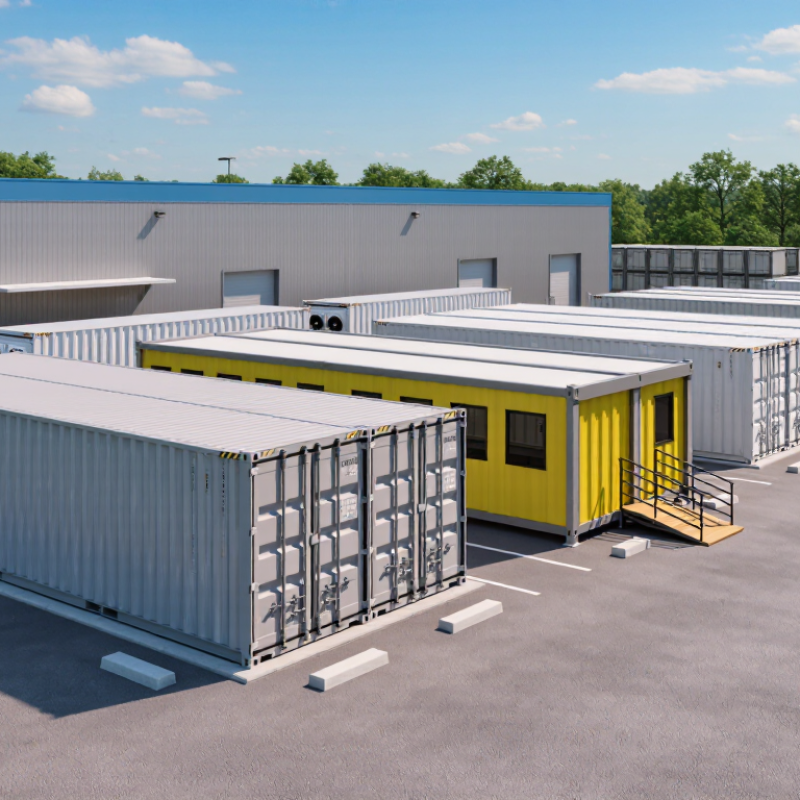
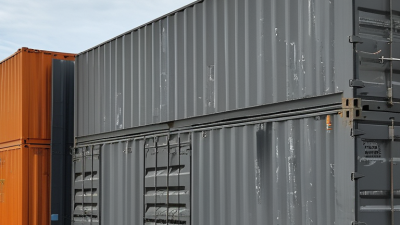
Container self storage is a flexible storage method using steel units placed at a managed site or private property. Buyers rent or purchase a secure container, then load household goods, tools, inventory, or seasonal equipment. Standard dry containers suit most needs. High-cube units provide extra height, while side-opening models make bulky furniture easier to handle.
Global buyers choose this method because containers are modular, durable, and relatively simple to relocate. A business can add one unit beside a workshop instead of leasing a larger warehouse. A family may store furniture during a renovation, with direct access to its own locked space. Space grows with demand. That is practical.
Experienced buyers should inspect steel panels, door seals, floor condition, ventilation, and locking points before payment. Weather-resistant paint helps, but it does not solve every climate problem. Condensation can still appear in humid or rapidly changing temperatures. Insulated containers may protect sensitive goods better, while refrigerated units require dependable electricity and technical servicing. Site drainage matters too; standing water can damage access areas and increase moisture risks. Local planning, transport, fire, and placement requirements should be checked with qualified professionals before installation.
Container storage is not perfect. A lower purchase price may hide delivery, crane, preparation, or maintenance costs. Buyers should request clear dimensions, loading limits, inspection records, and written service terms. Comparing total ownership cost is more reliable than comparing the container price alone. Experiences from one climate may not apply elsewhere, so testing ventilation and access conditions on the actual site remains valuable.
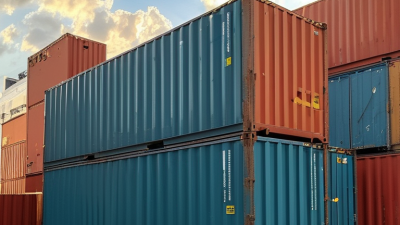
Standard dry containers are the most practical choice for household storage and general business inventory. Their steel walls provide strong weather protection and reliable security. A 20-foot unit suits furniture, tools, and boxed goods. A 40-foot unit offers more floor space for bulkier stock. Buyers should inspect door seals and floor condition before delivery.
High-cube containers provide extra internal height for tall shelving, machinery parts, and seasonal retail goods. They can improve storage efficiency when vertical space matters. Ventilated containers are better for furniture, textiles, and equipment that needs steady airflow. Small vents help reduce condensation, but they do not replace climate control. This detail is often overlooked.
Insulated or refrigerated units serve temperature-sensitive applications, including food materials, laboratory supplies, and selected medical products. They require stable electricity, monitoring, and professional maintenance.
Some sites use modified containers with lighting, shelving, ramps, or personnel doors. These changes improve daily access, though they may reduce resale flexibility. A careful site survey should check ground strength, drainage, delivery access, and local installation requirements.
Container storage looks simple. It is not always simple in practice.
2026 Top Container Self Storage Types for Global Buyers
For global buyers, container self-storage should match the stored goods, site conditions, and handling method. Standard units often measure 20 or 40 feet long, while compact 10-foot models suit narrow urban sites. High-cube designs provide extra internal height for shelving and tall equipment. Before ordering, measure pallets, doors, loading space, and delivery access carefully. A small error can create expensive repositioning work.
Material choice affects service life. Weathering steel offers strong structural protection and performs well in demanding outdoor environments. Galvanized components can reduce corrosion around doors, vents, and locking areas. Internal plywood or coated steel lining may improve cleanliness and reduce condensation concerns. Ventilation openings, raised floors, and waterproof seals deserve close inspection. No design is perfect. Poor drainage can still damage stored goods.
Tips: Select reinforced lock boxes, tamper-resistant hinges, and certified padlocks for routine protection. Add motion lighting, access records, and cameras when the site requires stronger oversight. Avoid storing temperature-sensitive products without suitable climate control. Check local building, transport, fire, and accessibility requirements before purchase. In practice, buyers often focus on container price first, then discover that delivery, foundations, and security upgrades change the real budget. Allow room for those costs.
| Storage Type | Typical External Size | Approximate Internal Capacity | Primary Applications | Key Features | Common Materials | Security Options | Typical Installation |
|---|---|---|---|---|---|---|---|
| Standard Dry Storage Container | 20 ft or 40 ft long Approximately 8 ft wide Approximately 8 ft 6 in high |
About 33 m³ for 20 ft About 67 m³ for 40 ft |
Household goods, furniture, cartons, tools, seasonal inventory, and general commercial storage. | Weather-resistant Stackable Forklift-compatible High availability | Corrosion-resistant steel walls, steel frame, marine-grade plywood or steel flooring, and rubber door seals. | Lockbox or lock shroud, heavy-duty padlock, tamper-evident seal, perimeter fencing, and access-control gate. | Level ground, compacted gravel, concrete pads, or reinforced paving. Requires delivery access for a lifting trailer. |
| High-Cube Storage Container | 20 ft or 40 ft long Approximately 8 ft wide Approximately 9 ft 6 in high |
About 37 m³ for 20 ft About 76 m³ for 40 ft |
Bulky furniture, tall equipment, retail stock, archives, and goods requiring additional vertical clearance. | Extra height Greater volume Double-door options Efficient loading | Weathering steel or galvanized steel panels, structural steel corner posts, plywood or steel floor, and sealed doors. | External lockbox, internal locking bars, CCTV coverage, motion lighting, access logs, and intrusion alarms. | Requires additional overhead clearance and a stable base. Suitable for storage yards and commercial compounds. |
| Side-Opening Container | Usually 20 ft or 40 ft long Approximately 8 ft wide Approximately 8 ft 6 in high |
About 33 m³ for 20 ft About 67 m³ for 40 ft |
Retail displays, construction materials, palletized goods, event equipment, and frequently accessed inventory. | Wide side access Fast loading Flexible layout Pallet-friendly | Steel side panels, reinforced door frames, steel floor supports, plywood flooring, and multiple weather seals. | Lockable side-door bars, protected padlock housings, door-position sensors, CCTV, lighting, and restricted entry. | Needs extra clearance along the long side for door operation. Best installed on a level concrete or compacted base. |
| Double-Door Container | Usually 20 ft or 40 ft long Approximately 8 ft wide Approximately 8 ft 6 in high |
About 33 m³ for 20 ft About 67 m³ for 40 ft |
Through-loading, stock rotation, warehouse overflow, building materials, and storage sites with two-sided access. | Doors at both ends Improved circulation Stock rotation Flexible placement | Weather-resistant steel body, reinforced end frames, marine-grade plywood flooring, and compression door seals. | Lockboxes on both ends, keyed-alike or electronic locks, tamper seals, perimeter surveillance, and access records. | Requires clear approach space at both ends. Suitable for drive-through layouts and organized storage yards. |
| Open-Top Storage Container | Usually 20 ft or 40 ft long Approximately 8 ft wide Approximately 8 ft 6 in high without cover |
About 32 m³ for 20 ft About 66 m³ for 40 ft |
Oversized machinery, construction debris, timber, scrap materials, and goods loaded by crane. | Top loading Oversized cargo Removable cover Heavy-duty floor | Reinforced steel frame, corrugated steel side walls, heavy-duty flooring, and a removable tarpaulin or steel cover. | Lockable cover system, secured end doors, perimeter fencing, camera monitoring, and controlled vehicle access. | Needs crane or overhead loading clearance. A firm, level base is required to support concentrated loads. |
| Insulated Storage Container | Commonly 20 ft or 40 ft long Approximately 8 ft wide Approximately 8 ft 6 in high |
Typically 28–62 m³, depending on insulation thickness and configuration | Temperature-sensitive furniture, documents, electronics, packaging materials, and goods needing reduced condensation. | Reduced heat transfer Condensation control Improved comfort Optional ventilation | Steel outer shell with polyurethane, mineral wool, or expanded polystyrene insulation and washable interior lining. | Insulated lockable doors, electronic access control, temperature and humidity sensors, alarms, and CCTV. | Suitable for outdoor storage yards when installed on a raised, drained, level foundation with adequate ventilation. |
| Refrigerated Storage Container | Usually 20 ft or 40 ft long Approximately 8 ft wide Approximately 8 ft 6 in high |
About 28 m³ for 20 ft About 59 m³ for 40 ft |
Chilled food, pharmaceuticals, laboratory materials, flowers, and other products requiring controlled temperatures. | Active cooling Digital controller Temperature logging Insulated interior | Stainless steel or coated steel interior, insulated panels, aluminum flooring, gasketed doors, and refrigeration equipment. | Lockable doors, continuous temperature monitoring, power-failure alarms, remote alerts, CCTV, and restricted access. | Requires reliable electrical power, ventilation around the refrigeration unit, drainage planning, and specialist servicing. |
| Modified Self-Storage Unit Container | Commonly 8 ft, 10 ft, 20 ft, or 40 ft long Widths typically range from 8 ft to 10 ft |
Approximately 15–67 m³, depending on the selected length and layout | Residential self-storage facilities, document storage, small business inventory, tools, and local rental compounds. | Multiple unit layouts Walk-in access Ventilation Custom partitions | Galvanized or painted steel shell, insulated or non-insulated panels, steel doors, anti-slip flooring, and vents. | Individual cylinder locks, electronic keypad entry, smart locks, unit alarms, LED lighting, CCTV, and perimeter gates. | Designed for modular compounds on concrete or paved surfaces. Units can be arranged in rows with customer walkways. |
| Portable Storage Container | Commonly 8 ft, 10 ft, 16 ft, or 20 ft long Typically 8 ft wide Height often 8–9 ft |
Approximately 15–33 m³, depending on length and interior fit-out | Home renovations, temporary business storage, relocation projects, construction sites, and short-term inventory holding. | Delivered to site Relocatable Ground-level loading Short-term flexibility | Painted steel or aluminum-clad exterior, timber or steel floor, weather seals, and optional insulated wall panels. | Protected padlock housing, reinforced door, tamper seals, optional GPS tracking, site fencing, and portable cameras. | Requires vehicle access and a clear placement area. Often delivered using a tilt-bed or specialized container truck. |
How to Compare Suppliers, Costs, Regulations, and Delivery
Choosing a container type starts with actual site use, not catalogue photos. Standard 20-foot units suit narrow plots and smaller inventory. Forty-foot units reduce handling but require stronger access planning. High-cube models add internal height, while side-opening units simplify loading bulky goods. They usually cost more. The Self Storage Association’s 2024 Demand Study estimated that 16.7 million U.S. households used self-storage in 2023. That figure supports demand, but it does not prove every export market will perform similarly.
Compare suppliers using the same specification sheet. Request steel grade, floor treatment, door hardware, ventilation, roof condition, refurbishment scope, warranty, and delivery terms. Separate unit price from sea freight, inland haulage, crane unloading, foundations, tax, and installation. UNCTAD’s Review of Maritime Transport 2024 recorded about 858 million TEUs handled by container ports in 2023. Global capacity is substantial, yet freight rates and port delays can change quickly. Ask for a validity period. Short quotes can mislead.
Regulations need a local check. Confirm planning permission, fire separation, drainage, accessibility, electrical certification, wind and snow loads, and customs requirements. FEDESSA’s 2024 European survey reported average occupancy near 78.7% across participating markets, but averages hide local differences. Visit a completed site, inspect welds and seals, and test delivery access with a real truck. I would also price one replacement panel. Small defects become expensive later. Delivery is not finished when the container reaches the gate.
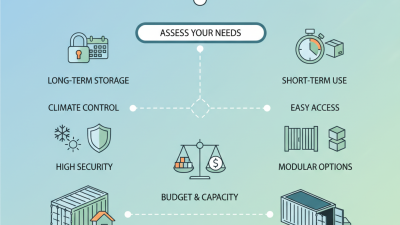
Global buyers should match the container to the user, not simply choose the largest available unit. Standard dry containers suit private users storing furniture, tools, and seasonal goods. Modified containers with extra doors, vents, or shelving work better for small businesses needing frequent access. Insulated units can protect sensitive stock, but they require careful temperature planning. The 2024 Self Storage Demand Study from the Self Storage Association reports that 16.7 million U.S. households used self-storage in 2023. That demand reflects practical needs, not just commercial expansion.
Facilities need stronger selection criteria. Check floor loading, corrosion protection, door hardware, drainage, ventilation, and the space required for delivery vehicles. A 20-foot unit is easier to position; a 40-foot unit offers more capacity but can create awkward access routes. Grand View Research valued the global self-storage market at approximately USD 58.26 billion in 2023, with continued growth forecast through 2030. Yet market growth does not remove local risks. Climate matters. So does site design.
For businesses, calculate access frequency before buying. Daily users may need multiple smaller units instead of one large box. Private users often underestimate moisture and internal condensation. A dry container is not automatically climate-safe. Local construction, fire, zoning, and electrical requirements must also be checked by qualified professionals. The cheapest option can become expensive after flooring, locks, ventilation, and transport are added. There is no perfect container. A careful buyer should leave room for doubt.