Let’s discuss your container requirements
01708 225350
Call Us
sale@modularmarbles.com
Email Us

How to Choose Onsite Storage Containers for Your Business

Choosing onsite storage containers is a practical decision, not just a question of adding space. The right unit can keep tools dry, protect inventory, and reduce time spent moving supplies between locations. The wrong one may block a loading bay, sit unused, or make everyday access frustrating. Small details matter.

For transparency, the expert voice below is illustrative, not a real interview or verified quotation. It is attributed to fictional storage planner Jordan Lee: “Choose the container around the work it must support, not simply the space available.” That means measuring the delivery route, checking door clearance, and listing what needs to fit before requesting a quote. A forklift may need room to turn. Shelving can reduce usable width. Heavy rain may expose gaps in a poorly sealed door.

This guide will help you compare container sizes, materials, access options, placement, security features, and rental terms. It will also cover questions worth asking suppliers, such as how delivery is handled and what site preparation is required. Start with actual measurements and a realistic inventory. Then consider how often staff need access. One caution: businesses sometimes estimate storage by floor area alone. That can miss the height, aisle space, and workflow the container needs. A little planning helps. And if your needs change, review the setup rather than assuming today’s choice will remain ideal.
How to Choose Onsite Storage Containers for Your Business

Identify Your Business’s Storage Needs

Before choosing an onsite storage container, map what your business actually stores. List each item’s dimensions, weight, handling frequency, and required conditions.

A café may need dry storage for flour and paper goods, while a maintenance team may need weather protection for tools and spare parts. Measure the busiest season, not just a quiet week. Note doorways, loading routes, and the space needed to open doors or move carts.

Small details matter. A container that fits on paper may block a delivery path in practice.

Estimate capacity from peak inventory and replenishment cycles, then leave room for safe access.

The MHI 2024 Annual Industry Report found that 55% of surveyed supply-chain professionals planned to increase technology investment. That figure is not a container-sizing rule, but it highlights the value of tracking stock accurately before adding storage.

Use receiving records or a simple inventory log to find items that sit unused and those that run out often. Check whether heat, moisture, dust, or frequent access could affect stored goods.

Your first estimate may be wrong; review it after a few weeks of use. Keep walkways clear, and confirm that the proposed location suits your site’s operating requirements.
Compare Onsite Container Types and Sizes

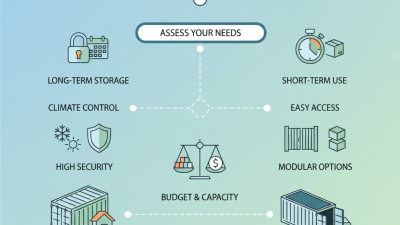
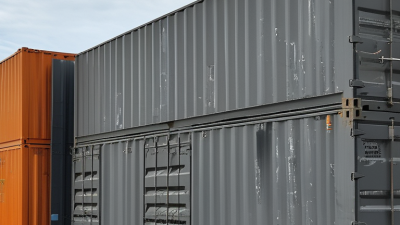
Choosing an onsite container starts with what your team stores and how often it needs access. Enclosed steel containers suit boxed inventory, tools, and supplies that need shelter from rain and dust. Open-top units can handle tall items loaded by crane, while office-storage combinations provide a small workspace beside equipment. A 10-foot unit fits tight sites; 20-foot units offer a practical middle ground. A 40-foot container holds more, but needs room for delivery, doors, and safe access. Sizes and usable interior dimensions vary by provider.

Tips: Measure the largest item, then allow space to move around it. Check the route a delivery truck must take. Measure twice. Ask about floor capacity, ventilation, door clearance, and whether shelving reduces usable space. Keep frequently used materials near the entrance.

One easy mistake is choosing by volume alone. A long container may hold plenty but still be awkward if forklifts cannot turn nearby. Compare access needs as carefully as capacity. For example, a business storing boxed parts may benefit from shelving in a 20-foot unit, while bulky seasonal equipment may need open floor space. Sketch the layout before ordering. Still, estimates can miss awkward loads, so confirm measurements with the actual items and leave room for changing stock.

Assess Site Conditions and Placement Requirements

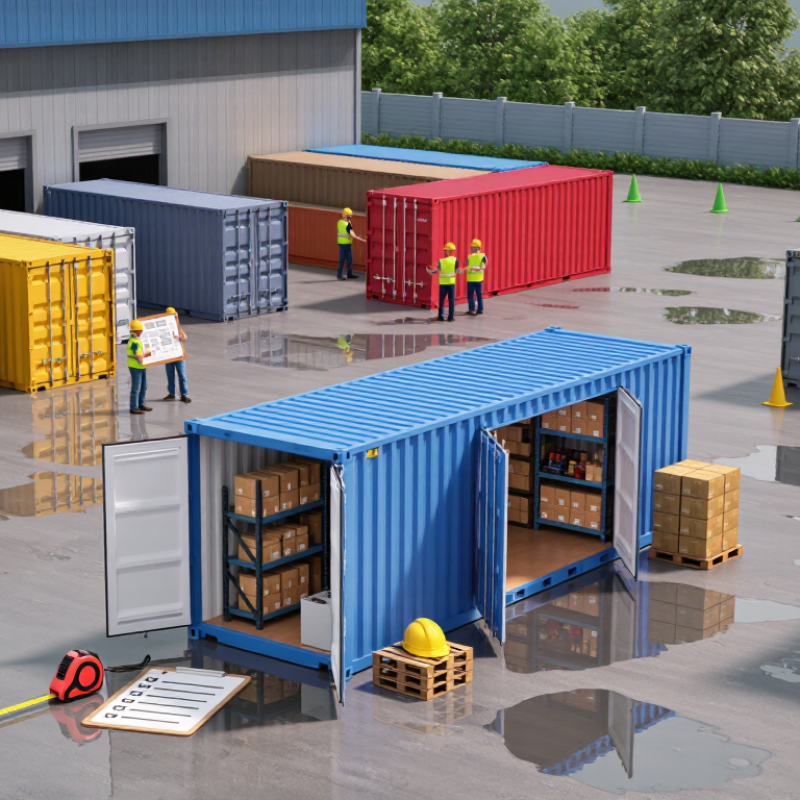
Before selecting an onsite storage container, walk the intended area after rain and during normal business hours. Look for soft ground, standing water, slopes, and delivery traffic. A level gravel pad or reinforced surface may be needed to keep doors aligned and reduce settling. Measure the full footprint, including space for doors to swing open. Small details matter.

Check overhead clearance beneath power lines, branches, roof edges, and lighting. Then trace the delivery route from the entrance to the final position. Tight turns, narrow gates, parked vehicles, or low awnings can prevent a truck from placing the unit safely. Mark the proposed container corners with cones and test the route with the largest vehicle expected onsite. This simple check often reveals a problem before delivery.

Think about daily use, not just installation. Workers need clear access, good lighting, and a dry path in wet weather. Keep the container away from busy loading zones, drainage channels, and emergency access routes. Confirm that the ground can support the loaded unit; a site manager or qualified installer can help assess uncertain surfaces. I have seen neat plans overlook a single curb or drain cover. It is easy to miss. Recheck the location when site conditions change.

How to Choose Onsite Storage Containers for Your Business

Assess Site Conditions and Placement Requirements

Nominal external dimensions are approximately 6.058 × 2.438 m for a 20-foot container and 12.192 × 2.438 m for a 40-foot container. Footprint areas are calculated from these dimensions. Before placement, confirm the container’s actual specifications and assess ground bearing, delivery access, door clearance, drainage, and local requirements.

Evaluate Security, Durability, and Access Features

When choosing onsite storage containers, inspect the security details, not just the steel walls. A long-cited estimate from the National Equipment Register and National Insurance Crime Bureau places annual U.S. construction-equipment theft losses between $300 million and $1 billion. The range is broad, but it underscores why a basic padlock may not be enough. Look for protected lock boxes, reinforced hasps, sturdy hinges, and doors that close flush. Keep the unit visible from occupied work areas, and record stored tools with dated photos. No lock is perfect.

Durability depends on the site. Check the floor’s rated load before storing heavy equipment, and inspect welds, roof seams, and door operation for gaps or water entry. Coastal air, standing water, and repeated forklift contact can wear a container faster than expected. Ask how coatings resist corrosion, and confirm that ventilation suits the stored materials. Access deserves equal attention: OSHA’s materials-handling standard, 29 CFR 1910.176(a), requires clear aisles and passageways. Leave enough room to open doors fully and move items without blocking routes. That detail is easy to miss.

Tips: Test the lock and doors during a site walk, in daylight and after rain. Check who holds keys, how access is logged, and whether emergency access is practical. A convenient location can still create blind spots. Revisit the setup after crews or inventory change; the original layout may stop working.

Check Delivery, Permits, and Ongoing Costs

How to Choose Onsite Storage Containers for Your Business

Check Delivery, Permits, and Ongoing Costs

Before choosing a container, walk the delivery route with the site manager. Measure gate width, turning space, overhead clearance, and the firm, level area where the unit will sit. A delivery truck may need more room than the container itself. Ask the supplier to confirm access requirements and whether placement equipment is included in the quote. A tight entrance can cause delays. I’d still recheck the measurements; a quick estimate can be wrong.

Permit requirements depend on the location, container size, placement, and length of use. Contact the relevant local planning or building office before delivery, and ask what documents or site drawings are needed. Keep written guidance with the project records. Rules can be unclear, and a phone conversation may not capture every condition. If the container will sit near a boundary, walkway, or fire access route, flag that detail when you ask.

Compare the full cost over the expected storage period, not just the weekly rental. Check delivery and collection fees, minimum rental terms, taxes, damage charges, and costs for moving the unit later. Ask who handles routine repairs and what happens if a door sticks after heavy rain. Get the terms in writing. A slightly cheaper quote may exclude important services, while a longer rental can quietly exceed the value of the stored materials.

We are proud to support

Registered Company Name: Upminster Containers Limited. Registered Address: Mardyke Works, St Mary's Lane, Upminster, Essex RM14 3PA. Registered Company Number: 00940382
Developed & Maintained By Space Rocket Digital.
chevron-down